How to Transplant Lesser pond sedge?
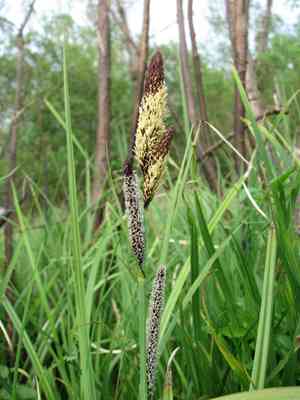
The optimal period for relocating lesser pond sedge is in the midst of its active growth phase, specifically from the latter part of spring through early summer. Select a location featuring damp earth and partial sun exposure, ensuring generous watering after the move to facilitate a seamless adjustment.
What Preparations are Needed Before Transplanting Lesser Pond Sedge?
What is the Ideal Time for Transplanting Lesser Pond Sedge?
The prime window for relocating lesser pond sedge spans from the onset of late spring's warmth through the vibrant core of summer. This timing aligns perfectly with the plant's natural growth cycle, facilitating a smooth transition that promotes root development and robust growth prior to autumn's chill. Embrace this period of revitalization to ensure the best start for your lesser pond sedge, fostering strong health and lush greenery.
How Much Space Should You Leave Between Lesser Pond Sedge Plants?
When moving lesser pond sedge, allow ample room for each plant to flourish. Aim for a spacing of 6-12 inches (15-30 cm). This will provide the necessary area for their roots to expand without competition.
What is the Best Soil Mix for Lesser Pond Sedge Transplanting?
For lesser pond sedge, prepare a site with damp, well-draining soil. A loamy base is optimal. Incorporate some slow-release all-purpose fertilizer to give your lesser pond sedge an excellent start. It will reward you with vigorous growth!
Where Should You Relocate Your Lesser Pond Sedge?
Select a location for your lesser pond sedge that receives partial to full sunlight. A spot that enjoys morning sun and some afternoon shade would be ideal for these charming perennials.
What Equipments Should You Prepare Before Transplantation Lesser Pond Sedge?
Gardening Gloves
To safeguard your hands while handling soil and plants.
Shovel or Spade
For excavating the lesser pond sedge from its original spot and preparing the new planting hole.
Watering Can or Hose
To hydrate the lesser pond sedge before and after its relocation.
Pruning Shears
To trim any damaged roots or foliage as required.
Wheelbarrow or Garden Cart
For moving the lesser pond sedge and soil.
Soil Amendment (if needed)
To enhance soil structure and nourish the lesser pond sedge.
Mulch
To aid in retaining soil moisture and regulating temperature around the lesser pond sedge.
Plant Supports/Stakes
To offer stability to lesser pond sedge if necessary after transplant.
How Do You Remove Lesser Pond Sedge from the Soil?
How Do You Remove Lesser Pond Sedge from the Soil?
From Ground: First, hydrate the lesser pond sedge to moisten the soil. Next, dig a wide trench around the lesser pond sedge using a shovel or spade, ensuring the root ball stays intact. Carefully work the spade beneath the root ball to lift the lesser pond sedge from its initial position.From Pot: Begin by watering the lesser pond sedge to loosen the roots. Turn the pot on its side and gently tap it to free the plant. Slowly slide the lesser pond sedge out, supporting the plant and root ball with your hands.From Seedling Tray: Dampen the soil to prevent root damage. Use a spoon or a dibber to carefully lift the lesser pond sedge from its cell, ensuring as much soil as possible remains attached to the roots.
Step-by-Step Guide for Transplanting Lesser Pond Sedge
Preparation
Before transplanting, water the lesser pond sedge to lessen stress and facilitate its removal from its current spot.
Digging the Hole
Excavate a hole in the ground that is twice as wide and equally deep as the root ball of the lesser pond sedge.
Lifting lesser pond sedge
Depending on its origin, use the appropriate removal method described to carefully lift lesser pond sedge with as much of the root ball intact as possible.
Placement
Position the lesser pond sedge in the center of the new hole, ensuring it stands upright and at the same depth it was previously growing.
Filling in Soil
Backfill the hole with soil, gently pressing down around the lesser pond sedge to eliminate air pockets.
Watering
After transplanting, thoroughly water the lesser pond sedge to settle the soil and provide moisture.
Supporting Plant
If needed, insert plant supports or stakes around the lesser pond sedge for added stability.
Mulching
Apply a layer of mulch around the base of the lesser pond sedge, being careful not to let it touch the stems, to conserve moisture and deter weeds.
How Do You Care For Lesser Pond Sedge After Transplanting?
Regular Watering
Ensure the lesser pond sedge receives sufficient water to keep the soil moist until it is fully established.
Monitoring
Periodically check the lesser pond sedge for indications of stress, such as wilting or discolored leaves, and address issues as necessary.
Staking
If the lesser pond sedge appears unstable or topples, use staking to maintain its upright posture until the roots become established.
Protection from Pests
Be vigilant for pests that could harm the lesser pond sedge and treat any infestations promptly and according to recommendations.
Mulch Refreshment
Replenish the mulch layer as required to sustain its benefits for moisture retention and temperature regulation.
Troubleshooting Common Issues with Lesser Pond Sedge Transplantation.
When's the best time to transplant lesser pond sedge for optimal growth?
For flourishing lesser pond sedge, transplant from late spring to mid-summer, when conditions are favorable for root establishment.
What's the ideal space between lesser pond sedge plants for healthy growth?
Space lesser pond sedge approximately 6-12 inches (15-30 cm) apart to allow adequate room for growth and air circulation.
Why are my lesser pond sedge plants wilting after transplanting?
Wilting may be due to transplant shock. Ensure you water the plants generously after moving and keep the soil moist.
How deep should I plant lesser pond sedge when transplanting?
The root ball should be level with the soil surface. Avoid planting too deeply to prevent root rot.
Can I transplant lesser pond sedge on a hot, sunny day?
It's best to transplant lesser pond sedge on an overcast day or in the late afternoon to minimize stress and prevent wilting.
How much should I water lesser pond sedge after transplanting?
Water lesser pond sedge thoroughly after transplanting to settle the soil around the roots and continue with consistent watering until established.
What type of soil is best for transplanting lesser pond sedge?
Utilize well-draining soil rich in organic matter to provide lesser pond sedge with optimal growing conditions.
Should I fertilize lesser pond sedge immediately after transplanting?
Wait a few weeks before fertilizing to allow lesser pond sedge to recover from transplant shock and establish its roots.
My lesser pond sedge looks droopy post-transplant, what should I do?
Ensure the soil is damp and shield the plant from strong winds or intense sunlight as it recovers.
Can I divide lesser pond sedge while transplanting them?
Yes, dividing lesser pond sedge during transplanting can encourage healthy growth, provided each division has a robust root system.



