How to Transplant Sand bittercress?
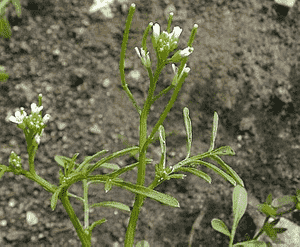
The optimal window for relocating sand bittercress extends from the vigor of mid-spring into the early days of summer, guaranteeing strong development. Select a sunny location featuring adequately draining earth to foster its complete flourishing.
What Preparations are Needed Before Transplanting Sand Bittercress?
What is the Ideal Time for Transplanting Sand Bittercress?
The perfect time to move sand bittercress is during the pleasant period of late spring. This timing aligns with its growth cycle, providing a supportive environment and extended daylight, crucial for sand bittercress's establishment and vitality. Moving sand bittercress to its new location during this phase ensures it benefits from all seasonal advantages, setting the stage for a successful life cycle.
How Much Space Should You Leave Between Sand Bittercress Plants?
Start by creating space for your sand bittercress plants, placing them approximately 4-6 inches (10-15 cm) apart. This gives each plant ample room to thrive without competing for nutrients or sunlight.
What is the Best Soil Mix for Sand Bittercress Transplanting?
Prepare the soil by ensuring it is rich and loamy, with good drainage. Incorporate a balanced, slow-release fertilizer to give your sand bittercress seedlings a healthy start without overfeeding them.
Where Should You Relocate Your Sand Bittercress?
Select a location in your garden that receives sun to partial shade for the sand bittercress plants. They require a good amount of light, but will also benefit from protection from intense midday sun, especially in warmer climates.
What Equipments Should You Prepare Before Transplantation Sand Bittercress?
Hand Trowel
For digging small holes and refining the planting area.
Gardening Gloves
To safeguard your hands while handling soil and plants.
Watering Can or Hose with a Gentle Sprayer
For hydrating the plant before and after moving it.
Spade or Shovel
If removing the sand bittercress from the ground, used to dig around and beneath the plant.
Wheelbarrow or Plant Tray
To move the sand bittercress and soil without harming the plant.
Pruning Shears
For trimming any dead or damaged leaves prior to transplanting.
How Do You Remove Sand Bittercress from the Soil?
How Do You Remove Sand Bittercress from the Soil?
From Ground: First, water the sand bittercress to loosen the soil. Next, dig a wide circle around the sand bittercress with a spade or shovel; be careful not to damage the root ball. Gently pry under the root ball to separate the sand bittercress from its current spot.From Pot: Begin by watering the sand bittercress to make the soil pliable. Invert the pot and tap the base to carefully ease the plant out. If it resists, run a hand trowel around the pot's inner edge to help dislodge the root ball gently.From Seedling Tray: Moisten the soil to facilitate the extraction of the sand bittercress. Use a hand trowel or a dibber to loosen the soil around the sand bittercress seedling. Lift it carefully to preserve the delicate root structure.
Step-by-Step Guide for Transplanting Sand Bittercress
Preparation
Gather all necessary tools and put on gardening gloves. Ensure the sand bittercress has been watered, making the soil ready for safe removal.
Plant Removal
Follow the specific removal process for the sand bittercress, whether it's from the ground, a pot, or a seedling tray, keeping the root ball secure and intact.
Transplant Site
Create a hole in the ground, twice the width of the root ball and slightly deeper, using a hand trowel or a spade.
Placing the Plant
Place the sand bittercress into the hole, positioning it so the base is level with the surrounding soil. Fill in the gaps with the excavated soil, gently pressing to remove air pockets.
Rehydration
Water the transplanted sand bittercress thoroughly to help reduce transplant shock and settle the soil around the roots.
How Do You Care For Sand Bittercress After Transplanting?
Initial Watering
Provide water to the sand bittercress immediately after transplanting to firm the soil and lessen stress.
Regular Observation
Watch the sand bittercress for signs of stress like wilting or discoloration and adjust care as needed.
Pruning
Trim any visibly dead or damaged leaves with pruning shears to encourage growth and efficient resource use in the sand bittercress.
Weed Management
Keep the area around the sand bittercress free of weeds, which can compete for essential nutrients and water needed for the sand bittercress's recovery and growth.
Troubleshooting Common Issues with Sand Bittercress Transplantation.
When is the best time to transplant sand bittercress?
Move sand bittercress during the mild period of mid-to-late spring for optimal adjustment.
How far apart should I space sand bittercress when transplanting?
Allow each sand bittercress adequate room, ideally spacing them 4-6 inches (10-15 cm) apart to thrive.
What should I do if sand bittercress wilts after transplanting?
Provide consistent but moderate water and shade for a day or two to help sand bittercress settle.
Why are the leaves of sand bittercress turning yellow post-transplant?
Yellowing might indicate overwatering; let the soil dry out slightly between waterings.
Should I fertilize sand bittercress after transplanting?
Wait 2-4 weeks after transplanting before a light feeding to avoid overwhelming the roots.
How deep should I plant sand bittercress when transplanting?
Plant sand bittercress at the same depth it was previously growing to promote stable development.
Can I transplant sand bittercress on a sunny day?
Choose a cloudy day or late afternoon to minimize stress and sun exposure for sand bittercress.
Is mulching beneficial for sand bittercress after transplanting?
Yes, a thin layer of mulch can help retain moisture and regulate soil temperature.
What sign shows that sand bittercress has successfully acclimatized after transplanting?
New growth and no wilting indicate that sand bittercress is well-established in its new location.
How much should I water sand bittercress after transplanting?
Water thoroughly after transplanting and then keep the soil slightly moist as sand bittercress establishes roots.



