How to Transplant Large-leaved cuckoo flower?
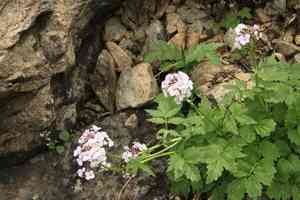
The optimal period for relocating large-leaved cuckoo flower is mid-spring, allowing the root system to establish prior to the summer season. Select a location offering partial shade and damp earth. Careful manipulation of the roots will facilitate improved adaptation.
Essential Preparations Before Relocating Large-leaved Cuckoo Flower?
Optimal Period for Moving Large-leaved Cuckoo Flower?
Choose the garden's awakening phase, when blossoms begin to form, for relocating large-leaved cuckoo flower. This ensures root establishment prior to summer's intensity. Moving large-leaved cuckoo flower as the ground thaws and life reemerges offers the best start for this perennial's growth cycle, fully leveraging the active season. A friendly reminder: rehoming large-leaved cuckoo flower during this revitalizing time enhances survival rates and promotes vigorous growth, enabling it to flourish in its new spot.
Recommended Spacing Between Large-leaved Cuckoo Flower Plants?
When preparing a new home for your large-leaved cuckoo flower, aim for a spacing of approximately 6-8 inches (15-20 cm) between them. This provides ample room for them to thrive without overcrowding. Happy planting!
Ideal Soil Mixture for Large-leaved Cuckoo Flower Relocation?
For your large-leaved cuckoo flower, prepare a comfortable bed with well-draining soil rich in organic matterâat least 2 inches (5 cm) of compost would be excellent. A balanced, slow-release fertilizer will give them a strong start!
Preferred Location for Your Large-leaved Cuckoo Flower?
Find a spot for your large-leaved cuckoo flower where sunlight gently touches its leaves. Partial shade is perfect, perhaps beneath a tree that allows filtered light. This will help your plant flourish and bring joy for many seasons!
Necessary Tools Before Relocating Large-leaved Cuckoo Flower?
Gardening Gloves
To safeguard your hands while handling soil and plants.
Hand Trowel
For excavating smaller large-leaved cuckoo flower specimens from containers or lifting plants from the ground.
Spade or Shovel
Required for carefully digging out the large-leaved cuckoo flower from the earth with minimal root disturbance.
Watering Can or Hose
To hydrate the large-leaved cuckoo flower before and after relocation to lessen transplant shock.
Garden Fork
To loosen the soil around the large-leaved cuckoo flower before extracting it from the ground.
Pruning Shears
For trimming any damaged roots or foliage prior to relocating the large-leaved cuckoo flower.
Wheelbarrow or Garden Cart
To move the large-leaved cuckoo flower and soil.
Mulch
To apply around the base of the large-leaved cuckoo flower after relocation to retain moisture.
Plant Supports or Stakes
In case the large-leaved cuckoo flower requires assistance to remain upright in its new position.
How to Extract Large-leaved Cuckoo Flower from the Ground?
How to Extract Large-leaved Cuckoo Flower from the Ground?
From Ground: First, water the large-leaved cuckoo flower to moisten the soil. Then, use a garden fork to gently loosen the soil surrounding the plant. Carefully slide a spade or shovel beneath the root ball to lift the plant from its original spot, ensuring minimal root damage.From Pot: Begin by watering the large-leaved cuckoo flower to make the soil damp and easier to manage. Invert the pot and gently tap its edges to loosen the root ball. Slowly ease the plant out, supporting the base and stem with your hands.From Seedling Tray: Moisten the soil to facilitate the removal of large-leaved cuckoo flower seedlings. Use a hand trowel or similar tool to gently lift each seedling by pressing the tool into the soil below the root cluster and extracting it with the soil attached to the roots.
Step-by-Step Guide for Relocating Large-leaved Cuckoo Flower
Plant Health Assessment
Thoroughly inspect the large-leaved cuckoo flower for any indications of disease or pest infestation. Addressing these issues before relocation is crucial to prevent spread. Also, trim any damaged or excessively long roots with pruning shears.
Excavating the New Site
Dig a hole in the prepared area that is twice the width of the large-leaved cuckoo flower's root ball. The depth should match the root ball's height to ensure the plant sits at the correct level in the ground.
Root Positioning
Center the large-leaved cuckoo flower in the new hole. Gently spread out the roots and position the plant so the top of the root ball is flush with the ground surface.
Refilling the Excavation
Backfill the hole with soil, gently firming it around the large-leaved cuckoo flower's roots to eliminate any air pockets. Water the area thoroughly to further settle the soil.
Staking if Required
If the large-leaved cuckoo flower is large or situated in a windy location, provide support with plant stakes. Insert stakes into the ground and loosely tie the large-leaved cuckoo flower to them, allowing some movement for root establishment.
Applying Mulch
Spread a layer of mulch around the base of the large-leaved cuckoo flower, keeping it a few inches away from the stem to ensure proper air circulation and help retain moisture.
Post-Relocation Care for Large-leaved Cuckoo Flower
Initial Hydration
Water the large-leaved cuckoo flower deeply immediately after relocation. This aids in mitigating transplant shock and settling the soil around the roots.
Consistent Observation
Monitor the large-leaved cuckoo flower daily for the initial few weeks, looking for signs of transplant shock, such as wilting or yellowing leaves.
Support Upkeep
Inspect and adjust any supports or stakes, ensuring they provide stability without harming the large-leaved cuckoo flower or hindering natural growth.
Mulch Management
Ensure mulch remains in place to maintain soil moisture and temperature, which are crucial for the large-leaved cuckoo flower's recovery and establishment.
Gentle Fertilization
After a few weeks, once the large-leaved cuckoo flower shows signs of new growth, consider applying a mild fertilizer to encourage robust development.
Addressing Common Issues with Large-leaved Cuckoo Flower Relocation.
Why relocate large-leaved cuckoo flower during mid to late spring?
Moving large-leaved cuckoo flower during this period ensures the soil is warm and moist, providing ideal conditions for root establishment before summer's heat.
What spacing is recommended for large-leaved cuckoo flower during relocation?
Ideally, space large-leaved cuckoo flower approximately 6-8 inches (15-20 cm) apart to allow each plant sufficient room for growth and nutrient uptake.
What's the optimal soil preparation for large-leaved cuckoo flower relocation?
Aim for well-draining soil enriched with organic matter, such as compost, to support healthy root development for large-leaved cuckoo flower.
Is it advisable to relocate large-leaved cuckoo flower on a hot, sunny day?
It's best to move large-leaved cuckoo flower on a cloudy day or in the evening to prevent immediate sun exposure that can stress the plant.
How much water should large-leaved cuckoo flower receive after relocation?
Water large-leaved cuckoo flower thoroughly after relocation to settle the soil around the roots, then maintain consistent moisture as it establishes.
What depth should large-leaved cuckoo flower's roots be planted during relocation?
Plant large-leaved cuckoo flower's roots at the same depth they were in their previous container or ground, neither deeper nor shallower.
What if large-leaved cuckoo flower wilts after relocation?
Ensure adequate watering without overwatering, provide shade if it's too sunny, and allow large-leaved cuckoo flower to naturally recover as it adjusts.
Why isn't my large-leaved cuckoo flower blooming after being relocated?
Allow large-leaved cuckoo flower time to establish without stress. Ensure proper sunlight, watering, and avoid excessive fertilizer which can hinder blooming.
Should I fertilize large-leaved cuckoo flower immediately after relocation?
Wait a few weeks before fertilizing to prevent root burn. Let large-leaved cuckoo flower acclimatize and then use a balanced fertilizer.
How to handle large-leaved cuckoo flower's roots during relocation?
Handle large-leaved cuckoo flower's roots gently to prevent damage. Slightly loosen the root ball to encourage outward growth in the new location.



