How to Transplant Korean bittercress?
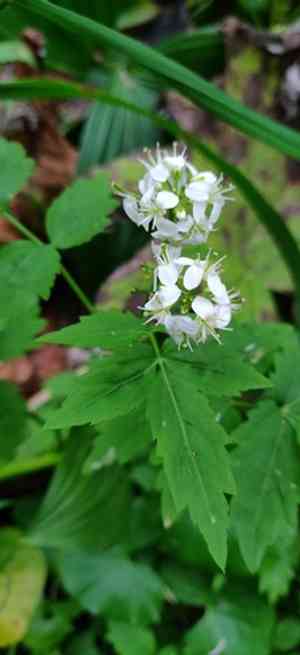
For Korean bittercress, the ideal time for relocating is from the onset of early spring through the conclusion of late spring, capitalizing on its robust growth cycles. Select a shaded, damp spot and, if necessary, amend the earth to ensure a successful establishment.
What Preparations are Needed Before Transplanting Korean Bittercress?
What is the Ideal Time for Transplanting Korean Bittercress?
The perfect period for relocating korean bittercress to your garden extends from the start of early spring through the end of late spring. This timeframe offers optimal natural conditions, allowing roots to establish in mild soil, avoiding both freezing temperatures and intense summer heat. Transplant korean bittercress now, when ample rainfall supports root development, and gentler sun encourages new shoots, setting the stage for robust growth. Your careful attention during this phase promises a strong, flourishing korean bittercress, fully settled before summer's peak.
How Much Space Should You Leave Between Korean Bittercress Plants?
When placing your korean bittercress, provide them ample room to thrive! Aim for a separation of approximately 4-6 inches (10-15 cm) between each plant. This spacing allows your korean bittercress to develop without competing for resources.
What is the Best Soil Mix for Korean Bittercress Transplanting?
Your korean bittercress will flourish in damp, well-draining soil enriched with organic material. Prior to planting, enrich your soil with a balanced, slow-release fertilizer to give your korean bittercress a healthy beginning.
Where Should You Relocate Your Korean Bittercress?
Locate a spot for your korean bittercress where they can enjoy partial shade to full sunlight daily. This light balance promotes vigorous growth while offering relief during the hottest parts of the day.
What Equipments Should You Prepare Before Transplantation Korean Bittercress?
Gardening Gloves
To safeguard your hands while handling soil and plants.
Shovel or Spade
For digging and lifting the plant's root ball from its current spot.
Watering Can or Hose
To hydrate the plant before removal and after replanting.
Garden Fork
For loosening the earth around the plant's root system.
Wheelbarrow or Plant Pot
To move the plant from its original location to the new site without causing damage.
Pruning Shears
For trimming any damaged roots or foliage.
Measuring Tape
To ensure correct spacing between transplanted plants.
How Do You Remove Korean Bittercress from the Soil?
How Do You Remove Korean Bittercress from the Soil?
From Ground: Start by watering the korean bittercress plant to moisten the soil, making extraction easier. Use a shovel or spade to dig a wide circle around the plant, maintaining a generous distance to protect the root ball. Carefully work the tool beneath the root ball and gently lift the plant from the soil.From Pot: Water the korean bittercress thoroughly to help loosen the soil. Hold the plant's base and gently tip the pot sideways, lightly tapping or squeezing the sides to help the root ball slide out. Be careful not to pull the plant forcefully.From Seedling Tray: Water the seedlings first. Use a garden fork or a trowel to carefully lift each korean bittercress plant, ensuring to extract as much of the root system as possible. Try to minimize root disturbance during this process.
Step-by-Step Guide for Transplanting Korean Bittercress
Preparation
Prepare the new planting location in advance, ensuring it is clear of weeds and debris.
Root Ball Care
Carefully inspect the korean bittercress's root ball. Trim away any broken or damaged roots with pruning shears to encourage healthy development.
Excavation
Dig a hole in the new spot that is twice the width of the root ball and of equal depth, allowing korean bittercress to be planted at the same level it was growing previously.
Plant Placement
Position korean bittercress in the center of the hole. Adjust its placement to ensure it stands upright and is properly aligned.
Soil Replacement
Backfill the hole with soil, gently firming around the roots to eliminate air pockets. Be careful not to bury the plant deeper than it was previously growing.
Watering In
Water the korean bittercress thoroughly after planting to help settle the soil around the roots and provide essential hydration for recovery.
Mulching
Apply a layer of mulch around the base of korean bittercress, leaving some space around the stem to reduce evaporation and inhibit weed growth.
How Do You Care For Korean Bittercress After Transplanting?
Stabilizing
Use supports if needed to help korean bittercress remain upright and stable in its new location until the roots take hold.
Observation
Monitor korean bittercress for signs of stress, such as wilting leaves or discoloration, and address any issues promptly.
Pruning
Trim any dead or damaged foliage to encourage new growth and help the korean bittercress focus its energy on establishing roots.
Protection
Depending on your local climate, take steps to protect korean bittercress from excessive heat or cold during the critical post-transplant period.
Troubleshooting Common Issues with Korean Bittercress Transplantation.
What's the best time to transplant korean bittercress?
The ideal period to move korean bittercress is when the earth begins to warm: from early to late spring.
How far apart should I space korean bittercress when transplanting?
For korean bittercress to flourish, ensure a generous distance of 4-6 inches (10-15 cm) between each plant.
Why is my korean bittercress not thriving after transplant?
Ensure korean bittercress isn't planted too deeply and check for adequate soil moisture and sunlight.
What type of soil is best for transplanting korean bittercress?
Korean bittercress thrives in well-draining soil rich in organic matter; avoid heavy clay or waterlogged conditions.
How much sunlight does korean bittercress need after transplanting?
Post-transplant, korean bittercress requires a balance of partial shade to prevent scorching yet sufficient light for growth.
Can I transplant korean bittercress during the summer season?
Korean bittercress prefers cooler spring days for transplantation; summer's heat can stress and impede establishment.
How do I water korean bittercress after transplanting?
Provide korean bittercress with consistent, gentle watering to keep the soil uniformly moist but not saturated.
How deep should I plant korean bittercress during transplanting?
The root crown of korean bittercress should be level with the soil surface to ensure proper growth.
What should I do if the leaves of korean bittercress wilt after transplanting?
Wilting may occur; ensure proper hydration and avoid direct sunlight until signs of recovery appear.
Is it necessary to fertilize korean bittercress after transplanting?
Initially, focus on soil quality. After establishment, moderate fertilization can encourage healthier korean bittercress plants.



