How to Transplant Tree pepper?
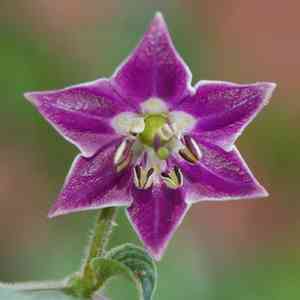
During the spring revival, tree pepper thrives when relocated. Select a sunny, adequately draining spot for vigorous development. Should cold weather persist, gently protect the roots to aid their integration.
What Preparations are Needed Before Transplanting Tree Pepper?
What is the Ideal Time for Transplanting Tree Pepper?
The optimal period for relocating tree pepper is during spring, as moderate temperatures aid root establishment. Choosing this time ensures vigorous growth and abundant yields. Introducing tree pepper to their new home in this season facilitates a low-stress transition, helping them thrive and flourish.
How Much Space Should You Leave Between Tree Pepper Plants?
When moving your tree pepper, position each plant approximately 2-3 feet (60-90 cm) apart. This provides ample room for individual plant development and prosperity. Be sure to plant them firmly for stability!
What is the Best Soil Mix for Tree Pepper Transplanting?
For your tree pepper, ensure the soil drains effectively. A potting blend containing peat moss or composted manure would be perfect. Prior to planting, incorporate a slow-release fertilizer to enrich the soil and support the plant's development.
Where Should You Relocate Your Tree Pepper?
Your tree pepper thrives in sunlight, so select a garden spot that receives ample light throughout the day. However, be cautious not to place them in intense afternoon sun, as they may suffer sunburn!
What Equipments Should You Prepare Before Transplantation Tree Pepper?
Gardening Gloves
To safeguard your hands from dirt and any potentially rough edges of the plant.
Trowel or Spade
Required for excavating a hole in the new planting area and for carefully extracting the tree pepper from its current spot.
Garden Pruners
If your tree pepper has grown significantly, you'll need pruners to trim back some older growth before the move.
Buckets or Pots
Utilize these to temporarily hold the tree pepper during transfer, especially if moving it from one garden bed to another.
Watering Can or Hose
Crucial for hydrating the tree pepper during and immediately after transplanting.
Natural Mulch
Needed to cover the ground around the tree pepper post-transplant, which helps maintain soil moisture.
How Do You Remove Tree Pepper from the Soil?
How Do You Remove Tree Pepper from the Soil?
From the Ground: First, moisten the soil around the tree pepper, but avoid saturation. Then, using a spade, dig a wide circle around the plant to prevent root damage. Carefully lift the plant, preserving as much of the root ball as possible. Briefly place the tree pepper in a water bucket to prevent drying.From a Pot: Water the potted tree pepper thoroughly. Gently tip the pot sideways and carefully slide the plant out. If it resists, tap the pot's base and sides. Do not pull the plant by its stem.From a Seedling Tray: Lightly water the seedlings. Using a small tool or stick, carefully lift the seedling by prying it from underneath. Ensure the root ball and some soil remain intact.
Step-by-Step Guide for Transplanting Tree Pepper
Preparation
Use your trowel to dig a hole in the designated area, slightly larger than the tree pepper's root ball. Keep the excavated soil nearby.
Placement
Gently position the tree pepper in the hole, ensuring it stands upright. The top of the root ball should be level with the surrounding soil surface.
Backfilling
Use the reserved soil to fill in around the tree pepper's roots. Gentle firming is helpful, but avoid excessive compaction which could harm the roots.
Watering
Water thoroughly after planting to establish initial contact between the soil and roots.
Mulching
Apply a layer of mulch around the plant, covering the soil but not touching the stem or trunk. This helps conserve water and protect the tree pepper's roots.
How Do You Care For Tree Pepper After Transplanting?
Watering
The tree pepper requires consistent watering during the initial weeks post-transplant. Keep the soil damp, but be careful not to overwater.
Pruning
Prune as needed to achieve your desired tree pepper shape and size, but avoid doing so too soon after transplanting as it may stress the plant.
Feeding
After a couple of weeks, you can begin nourishing the tree pepper with a balanced plant food, ensuring it receives all necessary nutrients for robust growth.
Troubleshooting Common Issues with Tree Pepper Transplantation.
When is the perfect time to transplant tree pepper?
The ideal time for transplanting tree pepper is during seasons 1 to 3. This provides the plant with the best opportunity to establish itself before the warmer periods.
How far apart should I space my tree pepper plants?
You should aim for a distance of 2-3 feet (approx. 60-90 cm). Ample spacing encourages healthy development and helps prevent disease.
How deep should I plant tree pepper during transplantation?
You should plant tree pepper at the same depth it was in its original container. This helps prevent stem rot or drying.
How do I ensure successful transplantation of my tree pepper?
Preparing the new site by enriching the soil with organic matter can be beneficial. Also, water the plant thoroughly the day before transplanting.
Do I have to prune tree pepper before transplanting?
It's generally not essential, but you can lightly prune tree pepper to remove any damaged or unhealthy growth. This helps the plant focus on root development.
How to take care of tree pepper after transplanting?
Water the plant thoroughly and maintain a regular watering schedule. Monitor for signs of stress and provide shade if necessary.
Is it necessary to use a root stimulator when transplanting tree pepper?
While not mandatory, using a root stimulator can promote root formation and help tree pepper establish more quickly in its new environment.
What should I do if leaves of tree pepper start wilting after transplantation?
Wilting can indicate transplant shock. This can be mitigated by keeping the plant well-hydrated and shaded from direct, intense sunlight.
Can I transplant tree pepper during the hot season?
While possible, it's not recommended. Transplanting during hotter periods can induce shock in the plant, impacting its growth and development.
What kind of soil is preferred for transplanting tree pepper?
Tree pepper prefers well-drained, nutrient-rich soil. To boost plant health, consider adding organic compost to the transplanting hole as well.



