How to Transplant Capsicum annuum var. conoides?
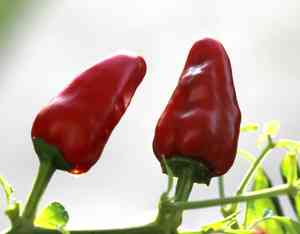
For Capsicum annuum var. conoides, the ideal period for relocation spans from early spring through late spring, facilitating vigorous development. Select a location that receives ample sunlight and possesses soil with good drainage. Incorporate compost to enhance overall health.
Essential Preparations Before Relocating Capsicum Annuum Var. Conoides?
Optimal Period for Transplanting Capsicum Annuum Var. Conoides?
The prime window for moving capsicum annuum var. conoides spans from the refreshing start of early spring to the vibrant onset of late spring. Shifting capsicum annuum var. conoides during these months ensures they benefit from mild temperatures and ample daylight, fostering vigorous development. Selecting this timeframe provides capsicum annuum var. conoides a head start, allowing them to establish before summer's heat, boosting their survival rates and promising a plentiful yield.
Recommended Spacing Between Capsicum Annuum Var. Conoides Plants?
When preparing to rehome capsicum annuum var. conoides, kindly maintain a distance of approximately 18-24 inches (45-60 cm) between them. This provides each plant sufficient room to thrive and expand its foliage – consider it their personal growing space!
Ideal Soil Blend for Capsicum Annuum Var. Conoides Transplanting?
To create an inviting bed for capsicum annuum var. conoides, enrich the soil with abundant organic material, such as compost. They prefer well-draining and fertile soil! Prior to planting, incorporate a balanced, slow-release fertilizer to offer them a hearty welcome to their new location.
Preferred Location for Relocating Your Capsicum Annuum Var. Conoides?
Identify a sunny spot for capsicum annuum var. conoides, where they can absorb at least 6-8 hours of daily sunlight. They are sun-lovers, so a bright environment will help them grow robustly and produce many peppers for you!
Necessary Equipment for Transplanting Capsicum Annuum Var. Conoides?
Gardening Gloves
To safeguard your hands while handling soil and plants.
Shovel or Spade
For excavating the plant from its current location or container, and for digging the new planting hole.
Watering Can or Hose
To hydrate the capsicum annuum var. conoides before extraction and after planting.
Pruning Shears
To trim any dead or excess plant parts prior to transplant.
Trowel
For detailed work and minor soil adjustments during planting.
Wheelbarrow or Bucket
To transport the capsicum annuum var. conoides along with any soil or compost.
Measuring Tape
To ensure correct spacing between plants according to their growth requirements.
Mulch
To aid in retaining soil moisture after transplanting the capsicum annuum var. conoides.
Method for Extracting Capsicum Annuum Var. Conoides from the Soil?
Method for Extracting Capsicum Annuum Var. Conoides from the Soil?
From Ground: First, moisten the capsicum annuum var. conoides to make the soil more manageable. Then, using your shovel or spade, dig a wide circle around the plant, being careful not to harm the root ball, gently loosening the soil. Slide the spade beneath the root ball and lift the capsicum annuum var. conoides from the ground.From Pot: Begin by watering the soil in the pot to make the capsicum annuum var. conoides's root ball more flexible. Tilt the pot sideways and gently tap or press its sides to dislodge the capsicum annuum var. conoides from the container. Carefully ease the plant out, supporting the root ball to prevent it from breaking apart.From Seedling Tray: Water the seedlings to ensure the soil is damp. Using a trowel or your fingers, gently separate individual capsicum annuum var. conoides seedlings, taking care to keep as much of the root system and soil intact as possible.
Detailed Procedure for Transplanting Capsicum Annuum Var. Conoides
Prepare the New Location
Excavate a hole twice as wide and equally deep as the capsicum annuum var. conoides's root ball. Loosen the soil at the base of the hole.
Examine the Roots
Gently inspect the capsicum annuum var. conoides's root ball and trim any dead or overly long roots with pruning shears.
Position the capsicum annuum var. conoides
Center the capsicum annuum var. conoides in the new hole at the same depth it was previously growing, ensuring the root flare (where roots meet stem) is level with the soil surface.
Backfill the Hole
Refill the hole with the excavated soil, gently tamping to eliminate air pockets. Water the capsicum annuum var. conoides thoroughly to settle the soil around its roots.
Apply Mulch
Spread a layer of mulch around the base of the capsicum annuum var. conoides, keeping it clear of the plant's stem to prevent rot and conserve moisture.
Post-Transplant Care for Capsicum Annuum Var. Conoides?
Watering
Ensure the capsicum annuum var. conoides receives gentle watering at its base to maintain adequate soil moisture and aid root recovery from transplant shock.
Supporting
If the capsicum annuum var. conoides is tall or top-heavy, stake the plant for support to prevent wind damage or root disturbance.
Monitoring
Observe the capsicum annuum var. conoides for signs of transplant shock, such as wilting or yellowing, and intervene as necessary.
Protecting
Deter pests by regularly inspecting the capsicum annuum var. conoides and employing suitable methods to combat any infestations.
Feeding
After a few weeks, once the capsicum annuum var. conoides is established, consider a light application of a balanced fertilizer to encourage growth.
Resolving Common Issues with Capsicum Annuum Var. Conoides Transplantation.
What is the optimal time to transplant capsicum annuum var. conoides?
Transplanting capsicum annuum var. conoides is most successful from early to late spring, utilizing mild weather for root establishment.
How much space should I allow between capsicum annuum var. conoides when transplanting?
For best growth, space capsicum annuum var. conoides 18-24 inches (45-60 cm) apart to provide each plant ample room to thrive.
Why is my transplanted capsicum annuum var. conoides wilting?
Post-transplant wilting may indicate shock. Ensure careful handling, sufficient watering, and protection from intense sun for recovery.
Is it advisable to transplant capsicum annuum var. conoides on a hot day?
It's best to avoid hot days. Overcast conditions allow capsicum annuum var. conoides to acclimate without stress from heat or strong sunlight.
When should I water capsicum annuum var. conoides after transplanting?
Water capsicum annuum var. conoides immediately after transplanting to settle the soil around roots and help mitigate transplant shock.
What depth should the hole be for transplanting capsicum annuum var. conoides?
Dig a hole for capsicum annuum var. conoides that matches the root ball's depth and is twice its width, to encourage root expansion.
Should I fertilize capsicum annuum var. conoides during transplanting?
Yes, but sparingly. A balanced, slow-release fertilizer can assist capsicum annuum var. conoides, but avoid excessive fertilization, which can harm roots.
How do I determine if capsicum annuum var. conoides is ready for transplanting?
When capsicum annuum var. conoides seedlings are robust, possess several true leaves, and outdoor temperatures remain above 50°F (10°C), they are prepared.
What soil conditions are ideal for transplanting capsicum annuum var. conoides?
Plant capsicum annuum var. conoides in well-draining soil rich in organic matter to ensure proper nutrient availability and root health.
Can transplanting capsicum annuum var. conoides in pots impact growth?
Capsicum annuum var. conoides can flourish in pots, but select a large container and ensure adequate drainage to simulate garden conditions.



