How to Transplant Chinese white olive?
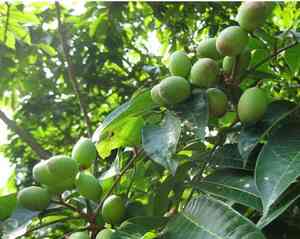
The most suitable period for relocating chinese white olive is during its inactive phase, generally from late fall through winter, as this facilitates root development without the strain of intense warmth. Select a location with good drainage and ample sunlight, and if necessary, enrich the soil to ensure sufficient nourishment.
What Preparations are Needed Before Transplanting Chinese White Olive?
What is the Ideal Time for Transplanting Chinese White Olive?
The perfect time for relocating chinese white olive falls within the tranquil period from late autumn to winter. This allows chinese white olive to establish robust root systems in cooler temperatures, ensuring vigorous growth in spring. Moving chinese white olive during this season minimizes plant stress and primes them for strong spring development, making it the most favorable moment for a successful transplant.
How Much Space Should You Leave Between Chinese White Olive Plants?
When moving your chinese white olive, provide each plant with sufficient room to expand. Ideally, maintain a separation of approximately 10-12 feet (3-3.7 meters) between individual plants. This will promote healthy development and simplify maintenance.
What is the Best Soil Mix for Chinese White Olive Transplanting?
For chinese white olive, opt for rich, well-draining soil. It's recommended to incorporate a slow-release granular fertilizer into the base before planting. This supplies your plant with vital nutrients, giving it an excellent start!
Where Should You Relocate Your Chinese White Olive?
Choose a location where your chinese white olive will receive ample sunlight. However, a spot offering partial shade during the hottest part of the day can prevent potential leaf burn.
What Equipments Should You Prepare Before Transplantation Chinese White Olive?
Gardening Gloves
To safeguard your hands while handling soil and chinese white olive.
Garden Spade or Shovel
Will be necessary for extracting the chinese white olive from its original spot and excavating a hole in the new location.
Garden Fork
Can be used to loosen the soil surrounding the root ball of the chinese white olive, facilitating removal.
Watering Can or Hose
Crucial for ensuring the chinese white olive is adequately hydrated both before and after relocation.
Wheelbarrow
For safely transporting the chinese white olive from one place to another.
Pruning Shears
Useful for trimming any damaged or dead branches prior to moving the chinese white olive.
How Do You Remove Chinese White Olive from the Soil?
How Do You Remove Chinese White Olive from the Soil?
From Ground: Thoroughly water the chinese white olive the day before the move to moisten the soil. Using a garden spade or shovel, carefully dig around the drip line of the chinese white olive (the outermost reach of the leaves) to avoid disturbing the plant's root ball. Work the spade beneath the root ball and gently lift the plant free. If the plant is large, you might need assistance to lift it onto the wheelbarrow.From Pot: If the chinese white olive is container-bound and root-bound (roots circling the pot's interior), water the plant and allow it to drain, then lay it on its side. The plant should slide out with a gentle pull; if not, you may need to break the pot. Be sure to handle the root ball and not the stem to prevent damage.From Seedling Tray: If moving chinese white olive seedlings, dampen the soil in the tray a few hours before transplanting. Gently separate each seedling, retaining as much soil around the roots as possible. Hold the seedlings by their leaves to prevent stem injury.
Step-by-Step Guide for Transplanting Chinese White Olive
Prep the new site
Dig a hole at the new location wide enough to accommodate the chinese white olive root ball but no deeper than the original soil level. Lightly loosen the sides of the hole with a fork to allow roots to penetrate the soil.
Prepare the chinese white olive
Thoroughly check for any pests or disease indicators, removing affected areas with pruning shears.
Place chinese white olive in the Hole
Carefully lower the chinese white olive into the excavated space. The top of the root ball should be flush with the ground surface.
Backfill
Refill the hole with the removed soil, gently firming it around the base of the chinese white olive.
Watering
Thoroughly water the chinese white olive, allowing the water to absorb before adding more. Then, apply mulch to help retain moisture. Be careful not to pile it against the stem or trunk as this can lead to rot.
How Do You Care For Chinese White Olive After Transplanting?
Watering Schedule
Initially, water the chinese white olive daily to help alleviate transplant shock. Gradually reduce watering to once a week over a month.
Pruning
Trim the chinese white olive's branches back by approximately one-third to lessen stress on the plant while it establishes its root system.
Inspect
Regularly examine the chinese white olive for signs of distress or illness. If the leaves begin to yellow or droop, it may require more water or a shaded spot.
Protection
If the chinese white olive is a young or delicate plant, you might need to provide some form of defense against harsh weather or pests.
Troubleshooting Common Issues with Chinese White Olive Transplantation.
When's the best time to transplant my chinese white olive?
The optimal period to move your chinese white olive is between late summer and early winter, specifically season S9-S12.
What spacing should I maintain between chinese white olive plants?
For ideal growth, keep a distance of approximately 10-12 feet (3-3.7 meters) between your chinese white olive plants.
Why is my transplanted chinese white olive drooping?
Your chinese white olive might be experiencing shock after relocation. Ensure it's planted in well-draining soil and watered sufficiently.
How deep should I plant the chinese white olive during the transplant?
Make sure to plant your chinese white olive at the same soil depth as it was in its previous container or location.
Do I need to prune my chinese white olive before transplanting?
Not necessarily. However, you can trim overgrown branches to redirect energy towards root development.
Why are the leaves on my transplanted chinese white olive yellowing?
Yellowing indicates water or nutrient deficiency. Ensure you're not overwatering and incorporate well-rotted compost into the soil.
Can I transplant chinese white olive using seeds?
Yes, you can. Sow the seeds at a depth of 1 inch (2.5cm) and water thoroughly. Ensure you place them with appropriate spacing.
What to do if my transplanted chinese white olive isnât showing new growth?
Patience is key! But also ensure your chinese white olive is receiving adequate light, water, and nutrients. Mulching can also help maintain soil moisture.
How should I water my newly transplanted chinese white olive?
Immediately after transplanting, water your chinese white olive thoroughly. Afterward, aim to keep the soil consistently moist, but not waterlogged.
What's the best type of soil for transplanting chinese white olive?
Chinese white olive thrives in fertile, well-draining soil. Adding bone meal or well-rotted compost can boost soil fertility.



