How to Transplant Trumpet creeper?
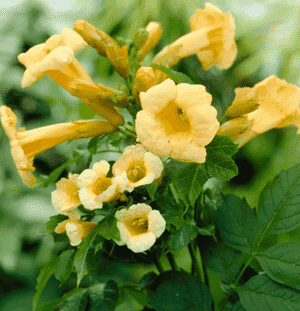
Relocating trumpet creeper is most effective during its peak growth period, generally from late spring through mid-summer. Select a well-lit spot for trumpet creeper, given its preference for luminous, warm environments. Should it be necessary, offer a structure to aid the plant's ascent.
Essential Preparations Before Relocating Trumpet Creeper?
Optimal Period for Moving Trumpet Creeper?
Relocating trumpet creeper from late spring through early summer promotes robust development and successful establishment. This timeframe encourages rapid root recovery and prevents damage from cold. Give trumpet creeper the best start by transplanting during this ideal season.
Required Spacing Between Trumpet Creeper Plants?
When relocating trumpet creeper, maintain a distance of approximately 3-6 feet (0.9-1.8 meters) between each plant. This provides ample room for growth and ensures adequate air circulation.
Ideal Soil Blend for Trumpet Creeper Relocation?
Prepare the soil with a well-draining mixture rich in organic material. Incorporate a base fertilizer like compost to give trumpet creeper a healthy start, ensuring the pH is between 6.0 and 8.0.
Where to Replant Your Trumpet Creeper?
Select a site for relocating trumpet creeper that receives full sun to partial shade. They flourish with at least 6 hours of direct sunlight daily, so find a suitable spot in your garden for optimal results.
Equipment to Prepare Before Relocating Trumpet Creeper?
Gardening Gloves
To safeguard your hands while handling soil and the trumpet creeper plant.
Shovel or Spade
For excavating holes and extracting the trumpet creeper from its initial position.
Garden Fork
Helps aerate the soil without harming the root system.
Pruning Shears or Scissors
For trimming any damaged or excessive growth during relocation.
Trowel
Useful for digging smaller holes and adjusting the planting area.
Watering Can or Hose
To hydrate the trumpet creeper before and after relocation.
Mulch
Aids in moisture retention and suppresses weed growth around your newly relocated trumpet creeper.
Stakes and Ties
To offer support to the trumpet creeper during its initial growth phase, if needed.
How to Extract Trumpet Creeper from the Ground?
How to Extract Trumpet Creeper from the Ground?
- From Ground:First, irrigate the trumpet creeper plant to moisten the soil. Then, excavate a wide trench around the plant using a shovel or spade, ensuring the plant's root ball remains intact. Carefully work the spade beneath the root ball to lift the plant from its original spot.- From Pot:Water the trumpet creeper plant, then gently tap the sides of the container to loosen the soil. Carefully invert the pot, supporting the plant with your other hand. Gently pull the pot away from the root ball.- From Seedling Tray:Water the trumpet creeper seedlings to dampen the soil. Use a trowel or your fingers to carefully remove each seedling, taking care not to damage the delicate roots.
Step-by-Step Guide for Relocating Trumpet Creeper
Excavate the Hole
Dig a hole twice as wide and as deep as the trumpet creeper's root ball. Loosen the soil at the bottom of the hole with a garden fork to encourage better root development.
Position the Root Ball
Place the trumpet creeper's root ball in the hole, ensuring it sits at the same depth as it previously grew. Fill the hole halfway with soil and gently compact it.
Water
Water the trumpet creeper generously, allowing the water to permeate the soil layer and eliminate any air pockets.
Backfill the Hole
Complete filling the hole with soil, gently tamping it down to provide stability to the plant.
Mulch
Apply a layer of mulch around the base of the trumpet creeper, leaving a gap around the stem to prevent rot and enhance water retention.
Staking (if necessary)
For taller or top-heavy trumpet creeper plants, provide support using stakes and ties. Ensure the ties are not too tight to prevent stem damage.
Post-Relocation Care for Trumpet Creeper?
Watering
Keep the soil around the trumpet creeper consistently moist, but not waterlogged, for the initial few weeks after relocation to aid in strong root establishment.
Pruning
Regularly inspect the plant for any damaged or diseased foliage, removing it with pruning shears or scissors to promote healthy growth.
Support
Maintain the stakes and ties, if utilized, to provide support for the trumpet creeper during its initial growth phase.
Pest Control
Monitor for pests and promptly address any infestations to ensure the well-being of your relocated trumpet creeper.
Resolving Common Issues with Trumpet Creeper Relocation.
When is the optimal time to relocate trumpet creeper?
The best time to relocate trumpet creeper is during late spring to mid-summer, as the plant establishes more effectively during this period.
What is the recommended spacing for trumpet creeper plants?
For optimal growth, position trumpet creeper plants 3-6 feet (0.9-1.8 meters) apart to allow sufficient room for spreading and thriving.
How should I prepare the relocation hole for trumpet creeper?
Excavate a hole twice the width of the root ball and of the same depth. Incorporate well-rotted compost to enhance soil structure and fertility.
How much water does trumpet creeper require during relocation?
Water trumpet creeper thoroughly after relocation. Keep the soil consistently moist but not saturated during the first few weeks.
What is the best soil type for relocating trumpet creeper?
Trumpet creeper thrives in various soils, but prefers well-drained soil with a slightly acidic to neutral pH (6.0-7.0).
How much sunlight should trumpet creeper receive when relocating?
Select a location where trumpet creeper receives full sun to partial shade. It performs best with at least six hours of direct sunlight.
Should I prune trumpet creeper during relocation?
Prune trumpet creeper to remove any damaged or unhealthy growth, improving its shape. Pruning will also help it direct energy towards root development.
How deeply should I plant trumpet creeper?
Plant trumpet creeper at the same depth as its root ball in the hole to ensure it is well-supported and adapts to its new spot.
How can I minimize relocation shock for trumpet creeper?
To reduce relocation shock, maintain consistent moisture levels, add root stimulator, and provide temporary shade if necessary during the initial few weeks.
When should I anticipate new growth after relocating trumpet creeper?
Expect new growth on trumpet creeper within 2-4 weeks after relocation. Be patient and provide proper care; establishment may take time.



