How to Transplant Chinese trumpet creeper?
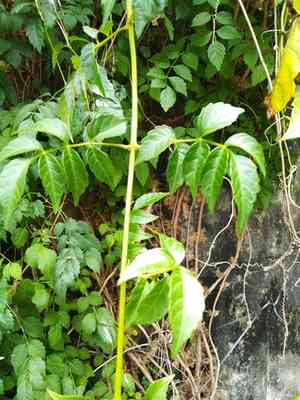
The ideal period to relocate chinese trumpet creeper is after the last frost, in the middle of spring. Select a bright location with soil that drains effectively to foster vigorous development. Should it be required, apply a layer of mulch after transplanting to help retain moisture and stabilize temperature.
What Preparations are Needed Before Transplanting Chinese Trumpet Creeper?
What is the Ideal Time for Transplanting Chinese Trumpet Creeper?
The optimal period for moving chinese trumpet creeper is during mid to late spring. Relocating chinese trumpet creeper at this time takes advantage of mild temperatures and consistent moisture, which aids root establishment and development before summer heat. By selecting this timeframe, you'll provide chinese trumpet creeper with perfect conditions to flourish, ensuring better adaptation and a strong start for the growing season. Helpful tip â give chinese trumpet creeper this seasonal advantage, and you'll be rewarded with vigorous growth and beautiful blooms.
How Much Space Should You Leave Between Chinese Trumpet Creeper Plants?
When relocating chinese trumpet creeper, ensure ample room for each plant to expand. A spacing of approximately 4-6 feet (1.2-1.8 meters) between transplants is ideal. This will allow chinese trumpet creeper sufficient space to thrive without competing for resources.
What is the Best Soil Mix for Chinese Trumpet Creeper Transplanting?
Before moving chinese trumpet creeper, prepare well-draining soil enriched with organic material. For a strong start, incorporate a slow-release base fertilizer into the planting hole. This will gradually nourish your plant and help it develop robust roots.
Where Should You Relocate Your Chinese Trumpet Creeper?
Select a location where chinese trumpet creeper will receive abundant sunlight, as these plants prefer full sun to partial shade. Avoid areas with insufficient light, as this will negatively impact your plant's development. Happy gardening!
What Equipments Should You Prepare Before Transplantation Chinese Trumpet Creeper?
Gardening Gloves
To safeguard your hands while handling the plant and soil. Ensure the gloves are both sturdy and flexible for precise movements.
Trowel or Spade
To excavate the soil during removal and relocation, minimizing harm to the root ball.
Pruning Shears
To trim back the vine of the chinese trumpet creeper before transplanting, reducing water loss and plant stress.
Watering Can or Hose
Crucial for keeping the plant hydrated throughout the transplanting process.
Compost or Organic Matter
To enrich the new planting site and supply essential nutrients for the chinese trumpet creeper.
Landscape Fabric
To help prevent weed growth around the chinese trumpet creeper after relocation.
Support Structures
Depending on the chinese trumpet creeper's maturity, you might need stakes or trellises for support as it is a climbing vine.
How Do You Remove Chinese Trumpet Creeper from the Soil?
How Do You Remove Chinese Trumpet Creeper from the Soil?
From Ground: Thoroughly water the chinese trumpet creeper plant the day prior to transplanting to reduce stress. Using a trowel or spade, begin by digging a wide circle around the plant, deep enough to encompass the entire root system. Carefully lift the plant from its spot, ensuring the root ball remains as intact as possible.From Pot: Water the chinese trumpet creeper well before transplanting. Turn the pot sideways, gently hold the plant by its stems or leaves, and tap the bottom of the container until the plant slides out. Be careful not to damage the root ball during this process.From Seedling Tray: Water the seedling from below until the topsoil appears moist. Very gently, push the chinese trumpet creeper from the bottom or sides until it pops out of the cell. Make sure to handle the seedling by its leaves or root ball, avoiding the stem.
Step-by-Step Guide for Transplanting Chinese Trumpet Creeper
Preparation
Trim back the vine of the chinese trumpet creeper plant to help reduce stress and water loss during relocation. Prepare the new planting site by adding compost or organic matter to the planting hole.
Planting
Position the root ball of the chinese trumpet creeper in the center of the planting hole. The top of the root ball should be level with or slightly above the surrounding soil surface. Backfill the hole with soil, gently firming it around the root ball.
Watering
After planting, water thoroughly, but ensure not to overwater. Initially, the chinese trumpet creeper will require more frequent watering until established.
Support
If the chinese trumpet creeper is a mature vine, you may need to provide a support such as a stake or trellis to help guide its growth.
How Do You Care For Chinese Trumpet Creeper After Transplanting?
Watering
Keep the chinese trumpet creeper adequately watered, especially during the first few weeks. However, avoid saturating the soil.
Pruning
Regular trimming and training may be necessary to keep the chinese trumpet creeper vine contained and encourage more blooms.
Pest Control
Monitor for common pests like aphids and caterpillars. Regularly inspect your chinese trumpet creeper, and if you notice any pest signs, use a natural pesticide.
Support
If the chinese trumpet creeper begins climbing on nearby structures or plants, guide it towards the support you have provided.
Weeding
Regularly remove any weeds from the base of the chinese trumpet creeper that might compete for resources.
Troubleshooting Common Issues with Chinese Trumpet Creeper Transplantation.
When should I transplant my chinese trumpet creeper?
It's best to relocate your chinese trumpet creeper during second to third season (S2-S3). This is when the plant is most capable of establishing new roots.
What distance should I keep between the chinese trumpet creeper plants during transplant?
Ensure a distance of approximately 4-6 feet (1.2-1.8 meters) between the chinese trumpet creeper plants. This spacing will promote healthy growth by preventing overcrowding.
What kind of soil does the chinese trumpet creeper prefer?
Chinese trumpet creeper thrives in well-drained soil with a blend of sand, silt, and a small amount of clay. This balances moisture and nutrients, fostering its excellent growth.
How deep should I dig the hole for my new chinese trumpet creeper?
When relocating chinese trumpet creeper, dig a hole twice as wide as the root ball and the same depth. This provides ample space for the roots to spread.
Should I water chinese trumpet creeper immediately after transplantation?
Absolutely! You should thoroughly water the chinese trumpet creeper immediately after transplanting. This helps the soil settle and reduces shock for the plant.
Can I transplant chinese trumpet creeper if it has already started flowering?
While possible, it's preferable to transplant chinese trumpet creeper before it begins flowering. This ensures the plant's energy is directed towards rooting, not blooming.
How to care for chinese trumpet creeper after transplantation?
Post-transplantation, provide your chinese trumpet creeper with partial to full sun exposure, consistent watering, and monthly feeding with a balanced plant fertilizer for optimal growth.
What to do if the transplanted chinese trumpet creeper shows signs of wilting?
If your chinese trumpet creeper starts wilting after transplant, it might be experiencing transplant shock. Keep it well-watered and shield it from harsh weather for a period.
Do I need to trim chinese trumpet creeper when transplanting?
Yes, it's advisable to prune back the chinese trumpet creeper by about one-third before transplanting. This reduces the plant's water demand and encourages better rooting.
How should I handle the root ball of chinese trumpet creeper during transplanting?
Be gentle when handling chinese trumpet creeper's root ball during transplanting. Try not to disrupt its shape. The root system is delicate and requires careful handling.



