How to Transplant Bluebell bellflower?
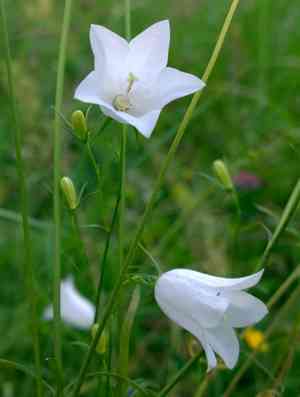
For an optimal beginning for bluebell bellflower, transplant them once the soil softens with the arrival of warmer weather. Select a location offering ample sunlight and soil that drains effectively. A helpful suggestion: confirm the site replicates bluebell bellflower's inherent open environment for robust development.
What Preparations are Needed Before Transplanting Bluebell Bellflower?
What is the Ideal Time for Transplanting Bluebell Bellflower?
Early spring, right after the last frost has passed, offers an optimal period for relocating bluebell bellflower. Introducing bluebell bellflower to your garden during this time allows for seamless acclimation as the plants benefit from mild temperatures and increasing daylight, which promote strong root development. A friendly reminder: establishing these perennials in their new homes at this point maximizes spring's growth potential, guaranteeing a vibrant and healthy display of bluebell bellflower in your garden. Remember, precise timing when moving bluebell bellflower yields lush foliage and charming blooms, a true mark of a gardener's skill!
How Much Space Should You Leave Between Bluebell Bellflower Plants?
When moving bluebell bellflower, provide ample room for each plant to thrive! Ideally, they should be positioned approximately 1 foot (0.3 meters) apart. This ensures they receive adequate sunlight and have space to grow without competition from nearby plants.
What is the Best Soil Mix for Bluebell Bellflower Transplanting?
For bluebell bellflower, opt for a damp, well-draining soil. Peat moss as a base can encourage vigorous growth. To enhance conditions, mix in a general-purpose garden fertilizer before planting. This will truly help bluebell bellflower flourish.
Where Should You Relocate Your Bluebell Bellflower?
Bluebell bellflower prefers a location with full sun to partial shade. Excessive direct sunlight may harm them, so aim for a spot where they will receive filtered sunshine for most of the day. It's the prime spot for bluebell bellflower!
What Equipments Should You Prepare Before Transplantation Bluebell Bellflower?
Gardening Gloves
To safeguard your hands from any sharp objects or irritants in the soil while handling the plant.
Spade or Shovel
A spade or shovel will be useful for digging up the soil during the removal and relocation process.
Watering Can
To hydrate the bluebell bellflower plant before and after transplanting, which aids the plant's adjustment process.
Trowel
To prepare the new planting hole. Its compact size allows for precise control over the hole's shape and depth.
Gardening Fork
To loosen the soil and extract the plant without harming its root structure.
Compost
To provide a nutrient boost to the new site, encouraging the plant's growth after transplantation.
How Do You Remove Bluebell Bellflower from the Soil?
How Do You Remove Bluebell Bellflower from the Soil?
From Ground: For bluebell bellflower planted in the ground, begin by watering the plant, ensuring the soil is moist but not waterlogged. This damp soil will be easier to manage. Then, using a spade or shovel, carefully dig around the plant, making sure to maintain a significant distance to avoid cutting into the root ball. Once you've created a trench, work the spade or garden fork beneath the plant to lift it out. Be gentle during this process to keep the roots intact.From Pot: If your bluebell bellflower plant is in a pot, start by watering the plant. Then, gently turn the pot sideways and tap it to loosen the root ball. If the plant doesn't come free, you can run a knife around the inside of the pot to assist. Remember to handle the plant by its root ball to prevent damage.From Seedling Tray: Slide a trowel or a small flat tool carefully under the bluebell bellflower seedling. Then, lift the seedling, along with its soil block, from the tray. When handling delicate seedlings, try not to touch the stem or roots.
Step-by-Step Guide for Transplanting Bluebell Bellflower
Preparation
Begin by preparing the new location for your bluebell bellflower plant. Dig a hole that should be twice the width and the same depth as the root ball. Add some compost inside for extra nutrients.
Insertion
Place the bluebell bellflower plant in the hole. The top of the root ball should be level with the soil surface.
Backfill
Gently refill the hole, firming the soil around the plant. Ensure there are no air pockets as they can dry out the roots.
Watering
Once the bluebell bellflower is transplanted, water it gently. This will help settle the soil around the roots.
How Do You Care For Bluebell Bellflower After Transplanting?
Monitoring
Observe your bluebell bellflower plant closely for the initial few weeks after transplant. Note any changes in leaf color or a deceleration in growth, which could signal stress or shock from the transplant process.
Watering
Water the bluebell bellflower plant regularly, ensuring the soil around the plant remains moist but not waterlogged. This aids the plant in forming new roots. However, avoid overwatering as it can lead to root rot.
Mulching
Apply a layer of mulch around the plant, but not touching the stem, to help retain moisture.
Protecting
Place a net or some type of barrier around your bluebell bellflower plant to shield it from pests and animals while it's still adapting to the new environment.
Troubleshooting Common Issues with Bluebell Bellflower Transplantation.
What's the best season to transplant 'bluebell bellflower'?
The optimal time to move 'bluebell bellflower' is during 'S1.' This gives the plant enough time to establish before the weather changes.
How much space does 'bluebell bellflower' need between transplants?
Bluebell bellflower' plants appreciate a bit of elbow room. Aim for a spacing of about 1 foot (approx. 30.48 cm) each.
How deep should I plant 'bluebell bellflower' during transplantation?
When transplanting 'bluebell bellflower', match the depth of the hole to the root ball. Ensure the top of the root ball is level with the soil surface.
Why is my transplanted 'bluebell bellflower' wilting?
Wilting after transplant typically means 'bluebell bellflower' is stressed. Ensure it's getting adequate water, but don't overwater. The soil needs to be moist, not drenched.
Do I need to prune 'bluebell bellflower' before transplanting?
Pruning isn't mandatory but removing about one-third of the plant can reduce transplant shock. It allows the plant to focus more energy on establishing roots.
Why are the leaves of my transplanted 'bluebell bellflower' yellowing?
Yellow leaves can be a sign of overwatering or poor drainage. Adjust your watering schedule and ensure your soil allows for good water flow.
Do I need to add compost to the soil before transplanting 'bluebell bellflower'?
Incorporating compost enriches the soil, providing 'bluebell bellflower' with a nutrient-rich environment. Work in a 2-3 inch (5-7.6 cm) layer of compost before transplanting.
What type of soil is best for 'bluebell bellflower' transplantation?
Bluebell bellflower' prefers well-drained soil. It can tolerate various soil types, but sandy or loamy soil with a neutral to slightly alkaline pH is ideal.
How frequently should I water 'bluebell bellflower' after transplanting?
Water 'bluebell bellflower' thoroughly after transplanting. Thereafter, keep the soil consistently moist but not soggy. Checking the soil's moisture levels every few days is advised.
Can I transplant 'bluebell bellflower' in a pot?
Absolutely! 'bluebell bellflower' is adaptable and thrives in containers provided it's given sufficient drainage and the pot is broad enough to accommodate its growth.



