How to Transplant Hedge bindweed?
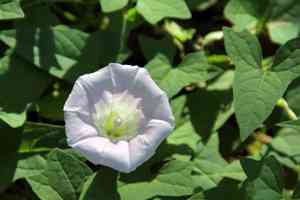
It is most effective to transplant hedge bindweed when the ground is revitalized, usually following the departure of the final frost. A spot receiving partial sun to moderate shade, featuring damp, adequately draining soil, is ideal for its development. Minimizing root disruption is achieved by gently extracting and promptly repositioning the plant.
What Preparations are Needed Before Transplanting Hedge Bindweed?
What is the Ideal Time for Transplanting Hedge Bindweed?
The optimal period for relocating hedge bindweed is early spring. This favorable season allows for strong root development prior to the summer heat. Moving it in spring promotes vigorous recovery for hedge bindweed, as mild temperatures and spring rains naturally assist this resilient perennial in establishing new growth. The gentle warmth of spring significantly enhances hedge bindweed's chances of flourishing after transplant, ensuring smooth integration into its new environment.
How Much Space Should You Leave Between Hedge Bindweed Plants?
When moving your hedge bindweed, ensure adequate spacing, ideally around 3-4 feet (approximately 0.9-1.2 meters) between each specimen. This provides ample room for growth and helps guarantee their successful establishment.
What is the Best Soil Mix for Hedge Bindweed Transplanting?
For hedge bindweed, rich, well-draining soil is paramount. Before transplanting, enriching the soil with organic compost or aged manure will provide an excellent foundation. A balanced, all-purpose fertilizer will also be beneficial.
Where Should You Relocate Your Hedge Bindweed?
Regarding relocation, position your hedge bindweed where it can receive full sun to partial shade. If possible, select a spot that gets morning sun. This can improve the plant's overall health by supplying sufficient light while shielding it from the most intense afternoon rays.
What Equipments Should You Prepare Before Transplantation Hedge Bindweed?
Shovel or Spade
To extract hedge bindweed from its current spot and prepare the planting hole in the new location.
Gardening Gloves
To safeguard your hands while handling the plant and soil.
Gardening Trowel
Perfect for transferring small hedge bindweed plants from their seedling trays or containers.
Root Pruning Shears
In case roots require trimming before transplanting.
Watering Can/Hose
Necessary for hydrating the plant before and after moving it.
Wooden or Bamboo Stakes
To offer support for hedge bindweed as it begins to climb and spread after transplanting.
Twine
To secure hedge bindweed to the stakes and guide its growth.
How Do You Remove Hedge Bindweed from the Soil?
How Do You Remove Hedge Bindweed from the Soil?
From Ground: First, don your gardening gloves and use a shovel or spade to create a circle around the hedge bindweed. The circle should be wide enough to encompass its entire root spread. Carefully dig deeper and beneath the root ball, then gently lift the plant from the ground, ensuring as much of the root system remains intact as possible.From Pot: If hedge bindweed is currently in a pot, water it thoroughly to loosen the soil. Holding the plant at its base, invert the pot and shake gently. The plant should slide out with the soil and its root system intact.From Seedling Tray: Water the tray to moisten the soil. Gently hold the hedge bindweed at its base, and use a gardening trowel or your hands to lift seedlings out, taking care not to harm roots or stems.
Step-by-Step Guide for Transplanting Hedge Bindweed
Prep Work
Start by watering the hedge bindweed plant and its intended new planting site. This minimizes plant stress and aids its transition to the new location.
Digging the Hole
Using a shovel, excavate a hole in the ground that is twice the width of your hedge bindweed's root ball and the same depth as its current planting depth.
Placing the Plant
Position hedge bindweed in the hole, ensuring the top of the root ball is level with the ground surface.
Backfilling
Refill the hole with the original soil, gently patting it around the plant's base to secure it.
Watering
Thoroughly water the hedge bindweed immediately after planting.
Supportive Structures
Insert wooden or bamboo stakes into the ground near hedge bindweed, loosely tie the vine to the stake with twine to direct its growth.
How Do You Care For Hedge Bindweed After Transplanting?
Watering
Initially after transplanting, hedge bindweed will require consistent watering. If you observe wilting leaves, it may indicate the plant needs more moisture. Gradually, you can reduce watering as the plant becomes established.
Pruning
Remove any dead or damaged foliage to encourage new growth. As a climbing plant, hedge bindweed may also need regular trimming to keep it within the confines of its support structure.
Support
Periodically inspect and adjust the support structures (stakes and twine) to ensure hedge bindweed is climbing correctly.
Pest and Disease Check
Monitor for common pests and diseases that can affect hedge bindweed. If you notice anything unusual, seek advice from a garden center or local extension service.
Troubleshooting Common Issues with Hedge Bindweed Transplantation.
What's the best time of the year to transplant hedge bindweed seedlings?
The most appropriate time would be during S1-S3 (seasonal transitions), when the weather is generally mild.
How can I prepare the ground for planting hedge bindweed?
Ensure to loosen the soil to approximately 10 inches (25 cm) deep and incorporate compost or well-rotted manure to supply nutrients.
What should the ideal spacing be when transplanting hedge bindweed?
Provide each seedling with its own space, ideally about 3-4 feet (0.9-1.2 meters) apart. Hedge bindweed plants can spread considerably if given the opportunity.
What are the signs that hedge bindweed is ready for transplantation?
When the seedling has developed its second set of true leaves or is approximately 3-4 inches (7.6-10.2 cm) tall, it is prepared for transplantation.
How much water does hedge bindweed need right after being transplanted?
Water the hedge bindweed thoroughly immediately after transplanting. However, be careful not to overwater, as excessive moisture can lead to root rot.
Can hedge bindweed be transplanted in full sun?
Hedge bindweed prefers partial to full sun. Nevertheless, if you are transplanting into a full sun location, ensure the plant is well-hydrated to mitigate transplant shock.
How deep should the hedge bindweed seedlings be planted?
The hole should be deep enough to comfortably accommodate the root ball. It is generally equal to the height of the container the hedge bindweed seedling was growing in.
What if my transplanted hedge bindweed starts wilting?
Hedge bindweed wilting post-transplant likely stems from stress. Keep the soil moderately moist, provide shade, and refrain from fertilizing until the plant recovers.
How to care for hedge bindweed post-transplant?
Maintain moderately moist soil, weed regularly, and apply a balanced fertilizer once the plant has settled in its new location.
How can I protect the transplanted hedge bindweed from pests and diseases?
Regularly inspect for any indications of pest activity or disease. Applying a general-purpose pesticide or fungicide can offer additional protection.



