How to Transplant Straggler daisy?
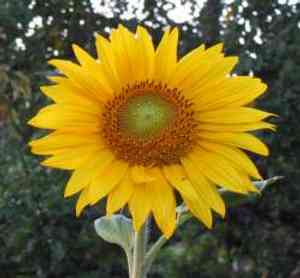
The most favorable periods for transplanting straggler daisy are in the mild temperatures of late spring or the gentle embrace of early summer. This timing allows for excellent root development prior to the peak heat. Select sites offering dappled sunlight and soil that drains effectively to foster robust development.
What Preparations are Needed Before Transplanting Straggler Daisy?
What is the Ideal Time for Transplanting Straggler Daisy?
The optimal period to relocate straggler daisy is when late spring's warmth transitions into early summer's embrace. This timeframe provides a mild environment favorable for root development and reduces stress on straggler daisy, promoting vigorous growth. Introducing straggler daisy to your garden during this window leverages the season's moderate temperatures, thereby facilitating a smoother adjustment and stronger development. By selecting this prime season for transplantation, you are setting the stage for straggler daisy to thrive, fully utilizing the nurturing environmental conditions that support robust health and vitality.
How Much Space Should You Leave Between Straggler Daisy Plants?
Ensure straggler daisy has ample room to grow when transplanting! Position plants 1-2 feet (30-60 cm) apart to allow for spreading and flourishing.
What is the Best Soil Mix for Straggler Daisy Transplanting?
For straggler daisy, it's best to prepare a loose, well-draining soil, ideally a loam and sand blend. Before planting, incorporate a slow-release granular fertilizer to supply nutrients.
Where Should You Relocate Your Straggler Daisy?
Regarding the ideal spot for straggler daisy, a location receiving partial to full sun is perfect. This plant tolerates various sun conditions, so don't worry if your garden isn't exceptionally sunny!
What Equipments Should You Prepare Before Transplantation Straggler Daisy?
Gardening Gloves
To protect your hands from sharp and abrasive particles in the soil.
Shovel
For excavating holes in the ground where straggler daisy will be replanted.
Watering Can
To moisten the soil before and after planting.
A sharp knife or pruning shears
To trim any damaged or excess roots from the plant.
Garden Spade
Perfect for extracting the plant from its current spot without harming the root ball.
Wheelbarrow
Essential for moving the plant and soil.
How Do You Remove Straggler Daisy from the Soil?
How Do You Remove Straggler Daisy from the Soil?
From Ground: Start by thoroughly hydrating the straggler daisy plant to saturate the soil. Carefully dig a generous trench around the straggler daisy with a shovel or spade, taking extra care to keep the plant's root ball intact. To lift the plant from its original spot, gently slide the spade beneath the root ball.From Pot: Begin by watering the pot adequately. Then, invert the pot while holding your hand over the soil, ensuring the plant stems are between your fingers. Use your other hand to tap the pot's base; this should help the plant slide out with its root ball.From Seedling Tray: Moisten the soil in the seedling tray and carefully separate the seedlings without tearing or damaging the delicate roots. Lift the straggler daisy seedling by its leaves, not the stem, as it is the most fragile part.
Step-by-Step Guide for Transplanting Straggler Daisy
Preparing the Transplant Hole
Use the shovel to dig a hole; it should be twice as wide and just as deep as the straggler daisy's root ball to ensure ample space for the roots to spread comfortably.
Root Inspection
Examine the roots for any indications of damage or disease. Use a sharp knife or pruning shears to remove dead or overly long roots.
Planting
Position the plant in the center of the hole. The top of the root ball should be level with or slightly above the ground's surface.
Backfilling
Refill the hole with soil, gently compacting it around the base of the straggler daisy to hold it upright.
Watering
Once straggler daisy is planted, thoroughly water the area to eliminate any remaining air pockets in the soil.
How Do You Care For Straggler Daisy After Transplanting?
Inspection
Regularly check straggler daisy for any signs of transplant shock or illness. Yellowing foliage, wilting, and slow growth are indicators to observe.
Watering
For the initial weeks post-transplant, water straggler daisy daily or whenever the top inch of soil feels dry to the touch. Avoid overwatering, as this can lead to root rot.
Support
If straggler daisy appears to be drooping after transplant, stake it upright until it can support itself.
Temperature
Straggler daisy thrives in warm temperatures, though it can tolerate colder climates. Shield it from harsh weather until it establishes itself in its new location.
Pruning
Periodically prune your straggler daisy to maintain its tidiness and encourage denser growth.
Troubleshooting Common Issues with Straggler Daisy Transplantation.
When's the ideal time to transplant straggler daisy?
The perfect season for relocating straggler daisy is during the third and fourth seasons, typically late summer to mid-autumn.
What's the ideal distance between straggler daisy when transplanting?
Allow a gap of 1-2 feet (0.3-0.6 meters) between each straggler daisy to ensure they have sufficient room to grow.
What's the preferred soil type for transplanting straggler daisy?
Straggler daisy prefers soil that drains well. Excessive moisture can lead to root rot or other detrimental conditions.
Why's my transplanted straggler daisy wilting?
Wilting in straggler daisy might be due to transplant shock. Ensure you're maintaining optimal watering and light conditions after transplant.
How deeply should I plant the straggler daisy when transplanting?
When transplanting, ensure straggler daisy's roots are fully covered with soil but the stem remains above the surface.
Can I transplant straggler daisy in a pot?
Absolutely! Straggler daisy can be moved into a pot and will flourish with proper watering and adequate light.
How frequently should I water a transplanted straggler daisy?
Water straggler daisy immediately after transplanting. Afterward, keep the soil moist, but avoid over-watering to prevent root diseases.
How quickly will straggler daisy establish after transplanting?
Straggler daisy generally takes 2-4 weeks to establish after transplanting. Allow them time to adapt to the new location.
Should I prune straggler daisy before transplanting?
Yes, pruning can help straggler daisy cope with transplant stress. Remove any dead or diseased parts before moving.
Why are the leaves of my transplanted straggler daisy turning yellow?
Yellow leaves on your straggler daisy might indicate water stress. Ensure the plant receives consistent water and has well-draining soil.



