How to Transplant Calypso orchid?
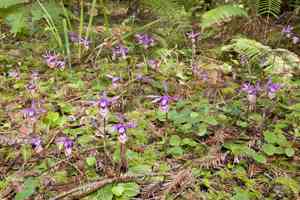
Calypso orchid thrives when repotted during the revitalizing period of early to mid-spring. Providing a tranquil, shaded environment with adequately draining soil prepares the calypso orchid for optimal growth. Should it be required, carefully safeguard the vulnerable root structure to uphold its sensitive equilibrium.
Essential Preparations Before Relocating Calypso Orchid?
Optimal Period for Relocating Calypso Orchid?
Relocating calypso orchid during mid-spring offers the gentle care these delicate plants require. Why? This timeframe provides a stable environment for root establishment, ensuring vigorous development. By placing them in their new spots once the ground has warmed and frost danger has passed, you're giving calypso orchid the best possible start. A friendly reminder: timely relocation captures nature's nurturing essence, guaranteeing your calypso orchid thrives with vitality.
Required Spacing Between Calypso Orchid Plants?
When planting calypso orchid, ensure each specimen has ample room to develop. Ideally, maintain a distance of approximately 3-6 inches (7.5-15 cm) between each planting site. This allows for proper root expansion and efficient nutrient absorption!
Best Soil Mixture for Calypso Orchid Relocation?
Calypso orchid thrives in rich, well-draining soil. To prepare the area, incorporate organic matter or compost along with a balanced fertilizer. This enriched foundation supplies nutrients and creates an optimal setting for root establishment!
Where to Position Your Calypso Orchid?
Remember, calypso orchid flourishes in partial to full shade. Locate a spot in your garden that avoids direct sunlight throughout the day. This way, you'll guarantee optimal growing conditions and shield it from potential sunburn!
Equipment Needed Before Relocating Calypso Orchid?
Gardening Gloves
These protect your hands when working with soil and plants.
Shovel or Trowel
Used for excavating the hole in the new location.
Watering Can
For hydrating the plant at every stage of relocation.
Gardening Scissors
For trimming any dead portions from the plant prior to relocation.
Plant Pot
Only if moving the plant from the ground or a seedling tray.
How to Extract Calypso Orchid from the Soil?
How to Extract Calypso Orchid from the Soil?
From Ground: Start by moistening the calypso orchid plant to saturate the soil. Use a shovel to dig a trench around the plant, ensuring the root ball remains intact. Gently pry the plant up from beneath the root ball with the shovel.From Pot: Water the plant thoroughly. Turn the pot on its side, holding the calypso orchid plant steady. Lightly tap the pot's edge until the plant, along with its root ball, slides out.From Seedling Tray: First, water the tray, then push up from the bottom of the cell to smoothly remove the calypso orchid plant. Be careful not to damage the roots or stem.
Step-by-Step Guide for Relocating Calypso Orchid
Preparation
Ensure all your tools are ready before beginning. Do not remove the calypso orchid from its original spot until the new location is prepared.
New Location
Dig a hole twice the width of the calypso orchid's root ball. The depth of the hole should match that of the root ball.
Relocation
Carefully place the calypso orchid into the hole. Confirm the plant is at the same depth as it was in its previous spot. Backfill the hole with soil, gently compacting it around the root ball.
Watering
Once the calypso orchid is relocated, water it immediately to aid in settling.
Post-Relocation Care for Calypso Orchid?
Moisture Maintenance
The calypso orchid should always be kept moist but not waterlogged. Check moisture levels daily.
Pruning
Avoid pruning any leaves or blooms for the initial days after relocation. This can add extra stress to the plant.
Temperature
Calypso orchid prefers cooler temperatures, so ensure it's not exposed to extreme heat, especially right after relocation.
Monitoring
Watch for any signs of relocation shock, such as wilting or yellowing leaves, and address them promptly.
Addressing Common Issues with Calypso Orchid Relocation.
When is the optimal time to relocate the calypso orchid?
The best time to relocate the calypso orchid is during late spring to early summer (S2-S3). This allows the plant to establish itself before the colder months.
What should be the spacing when planting calypso orchid?
When planting calypso orchid, ensure a gap of about 3-6 inches (7.6-15.2 cm) between each plant. This provides ample room for robust root development.
What if the calypso orchid isn't growing after relocation?
Examine the soil pH, light exposure, temperature, and watering routine. Calypso orchid requires specific conditions to thrive, and inconsistencies can impede growth.
What type of soil does calypso orchid need during relocation?
Calypso orchid prefers well-draining soil rich in organic matter. Amending your soil with compost or organic material before planting can enhance soil conditions.
How much sunlight does calypso orchid require after relocation?
Calypso orchid prefers partial shade to full sunlight. After relocation, placing it in a spot that receives dappled sunlight throughout the day can encourage healthy growth.
How much water does the calypso orchid need post-relocation?
Calypso orchid prefers moist, but not saturated soil. Water it thoroughly after relocation, then maintain consistent moisture levels without over-watering.
What if calypso orchid leaves are yellowing after relocation?
Yellowing leaves might indicate over-watering or nutrient deficiency. Adjust watering and consider using a balanced plant fertilizer to boost nutrient levels.
Should I prune calypso orchid after relocation?
Generally, calypso orchid needs minimal pruning. However, you may remove dead or yellowing leaves to promote healthy growth and maintain its appearance.
What is the ideal temperature range for calypso orchid relocation?
The optimal temperature for calypso orchid is between 65-75°F (18-24°C). Extreme temperatures can hinder growth and cause stress to the plant.
What to do if my relocated calypso orchid is wilting?
Wilting can stem from environmental stress or soil problems. Ensure it's receiving adequate sunlight and water, and check the soil condition.



