How to Transplant Carolina allspice?
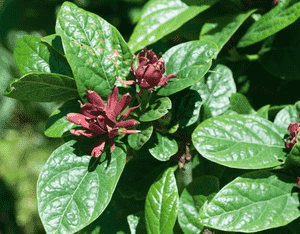
The most favorable period to establish carolina allspice in your landscape is mid-spring, which guarantees vigorous development. Select a location featuring soil that drains effectively; carolina allspice thrives in conditions with some shade. A friendly suggestion: provide ample room for its full-grown dimensions.
What Preparations are Needed Before Transplanting Carolina Allspice?
What is the Ideal Time for Transplanting Carolina Allspice?
The optimal period for relocating carolina allspice is during the middle to late spring. This timeframe is ideal because the ground is manageable and the weather is mild, allowing the roots to settle before the peak of summer. You'll find that moving your carolina allspice at this point enables it to develop a strong root system, supported by moderate temperatures and the burst of spring growth. This strategic timing facilitates a smooth transition for carolina allspice, setting the stage for vibrant flowers and robust health.
How Much Space Should You Leave Between Carolina Allspice Plants?
When moving carolina allspice, ensure each plant is positioned approximately 4-6 feet (1.2-1.8 meters) apart. This spacing will provide ample room for growth without competition for resources among neighboring plants. Keep this in mind when preparing your garden area.
What is the Best Soil Mix for Carolina Allspice Transplanting?
For carolina allspice, prepare a foundation of soil that is rich in humus and drains well. Then, incorporate a slow-release granular fertilizer to extend the plant's nutrient supply. This mixture is perfect for the plant's successful development.
Where Should You Relocate Your Carolina Allspice?
For optimal growth, select a location for carolina allspice that receives ample morning sun but is partially shaded in the afternoon. This combination is ideal for keeping carolina allspice thriving!
What Equipments Should You Prepare Before Transplantation Carolina Allspice?
Spade/shovel
To loosen and excavate the soil.
Garden Gloves
To safeguard your hands while handling soil and plants.
Garden fork or trowel
For carefully extracting the carolina allspice from its container or seedling tray.
Pruning shears
To trim any damaged roots or branches during the relocation process.
Watering can or hose
For hydrating the plant before and after its transfer.
Wheelbarrow
To move the carolina allspice to its new spot.
Garden string and stakes
To offer extra support to the carolina allspice if necessary.
How Do You Remove Carolina Allspice from the Soil?
How Do You Remove Carolina Allspice from the Soil?
From Ground: Begin by watering the carolina allspice plant to moisten the soil. Next, dig a circular trench around the plant using a spade or shovel, making sure the root ball stays intact. Gently work the spade beneath the root ball to lift the plant from its original position.From Pot: First, water the carolina allspice sufficiently to make removal easier. Invert the pot while lightly tapping to help the plant slide out. Avoid pulling the plant by its stem.From Seedling Tray: Water the carolina allspice seedlings. Then, using a garden fork or trowel, carefully lift each seedling from the tray, ensuring you retrieve as many roots as possible without causing damage.
Step-by-Step Guide for Transplanting Carolina Allspice
Digging Hole
Excavate a hole twice as wide and slightly deeper than the carolina allspice's root ball. The wider space will allow roots to spread more easily into the new soil.
Placing
Position carolina allspice in the hole with its root ball level with the soil surface. Carefully backfill the hole with soil, gently firming as you go to eliminate large air pockets without overly compacting the soil.
Initial Watering
Immediately after transplanting, water your carolina allspice generously to help the soil settle around the root ball. The water also lessens transplant shock and aids in recovery.
How Do You Care For Carolina Allspice After Transplanting?
Staking
If your carolina allspice is particularly tall or in a windy location, it might require staking until it's established. Secure the plant loosely to the stake using garden string.
Pruning
Lightly prune the plant to reduce water stress and help it direct its energy towards establishing new roots.
Irrigation
For the subsequent weeks, keep the soil consistently moist but not waterlogged to encourage root growth. Water deeply rather than shallowly. Adjust watering as needed based on weather conditions.
Frost protection
If frost is anticipated, you may need to provide extra protection for the newly transplanted carolina allspice, such as a frost cloth.
Troubleshooting Common Issues with Carolina Allspice Transplantation.
When is the best time to relocate carolina allspice?
The ideal period to move carolina allspice is during the late cold season to early warm season, often referred to as S2-S3.
How much space should I allocate for carolina allspice when transplanting?
Ensure there is 4-6 feet (1.2-1.8 meters) of distance between each carolina allspice to allow for proper development and air circulation.
Why is carolina allspice wilting after being transplanted?
Transplant shock can cause wilting in carolina allspice. To counteract this, ensure adequate watering, avoid excessive sun exposure, and provide root-stimulating fertilizers.
Can I transplant carolina allspice in a pot?
Absolutely! Make sure the pot is sufficiently large and has good drainage. Also, remember to provide enough room, around 4-6 feet (1.2-1.8 meters), around the plant.
What soil type is best for transplanting carolina allspice?
Carolina allspice thrives in well-drained, loamy soil. Alkaline or highly acidic soil may harm the plant. Incorporate organic matter if your soil is heavy clay or sand.
Does carolina allspice require any special care after transplanting?
Ensure carolina allspice is watered consistently until it is well-established. Additionally, a layer of mulch can help retain soil moisture and suppress weeds.
Can I transplant carolina allspice under full sun?
Carolina allspice performs well in partial shade to full sun. However, if moved to full sun, ensure it receives sufficient water to prevent excessive stress.
My transplanted carolina allspice is growing slowly, what could be wrong?
Slow growth might be due to insufficient sunlight, poor soil quality, or inadequate water. Adjust these factors and observe its progress.
What are the signs that carolina allspice has successfully established after transplanting?
Indicators of successful establishment include new leaf growth and blooms in the appropriate season. Generally, carolina allspice begins to show these signs a few weeks after transplanting.
How deep should I dig the hole for transplanting carolina allspice?
The hole should be twice the width and the same depth as the root ball. This provides ample space for roots to spread in all directions.



