How to Transplant Crown Flower?
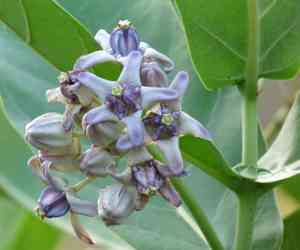
It is most favorable to relocate crown Flower during the warm, growth-inducing phase of mid-to-late spring or early summer. Select a bright spot with soil that drains effectively. For larger crown Flower specimens, guarantee appropriate root trimming in advance to facilitate a more seamless transfer.
What Preparations are Needed Before Transplanting Crown Flower?
What is the Ideal Time for Transplanting Crown Flower?
The optimal period for relocating crown Flower aligns with the pleasant temperatures of mid-to-late spring or the start of early summer. This timeframe encourages vigorous development and root anchoring, leveraging the mild climate and increasing daylight. Moving crown Flower during this season enhances their resilience before the intense heat of late summer. Friendly advice: utilize this favorable period to provide your crown Flower with a robust foundation for flourishing!
How Much Space Should You Leave Between Crown Flower Plants?
When moving crown Flower, allow them ample room! Ideally, they require a spacing of 3-4 feet (approximately 90-120 cm) to grow and bloom. This provides sufficient space for both foliage and flowers.
What is the Best Soil Mix for Crown Flower Transplanting?
Your crown Flower prefers well-draining soil. To prepare, combine garden soil with equal parts compost as a foundational fertilizer, which aids in retaining nutrients and moisture while improving drainage.
Where Should You Relocate Your Crown Flower?
The perfect spot for your crown Flower is where it can receive direct sunlight for at least 6 hours daily, but also some partial shade. Its vibrant blossoms thrive with abundant light.
What Equipments Should You Prepare Before Transplantation Crown Flower?
Gardening Gloves
To keep hands clean and prevent any potential harm while handling soil and plants.
Spade or Garden Shovel
To loosen the earth around the plant and assist in lifting it with its root ball intact.
Gardening Fork
Extremely useful if the plant is too firmly embedded in its original spot. It helps to gently separate the soil without harming the roots.
Wheelbarrow or Plant Pot
To temporarily hold the removed crown Flower plant while preparing the new site.
Garden Hose or Watering Can
To hydrate the plant before and after relocation.
Mulch
This helps to maintain moisture in the new location and reduce stress on the plant post-transplant.
Secateurs or Pruners
To trim any damaged roots or branches prior to transplanting.
How Do You Remove Crown Flower from the Soil?
How Do You Remove Crown Flower from the Soil?
From Ground: Start by watering the crown Flower plant several hours before you intend to move it. This will make the soil easier to manage and less stressful for the plant during removal. Dig a wide circle around the plant with your spade or garden shovel, ensuring you are not too close to the roots, to avoid damaging them. Gently lift the plant from the ground by pushing your spade or garden fork beneath the root ball, taking care to keep it whole.From Pot: If your crown Flower plant is in a container, first water it thoroughly. Next, lay the pot on its side, tap it gently to loosen the soil, and slowly ease out the plant along with its root ball. If the plant is deeply rooted and won't come out, you might need to cut open the nursery pot.From Seedling Tray: Water the tray and allow it to soak for about half an hour. Using a blunt knife or a small scoop, carefully lift the crown Flower seedling, trying to minimize root disturbance.
Step-by-Step Guide for Transplanting Crown Flower
Inspect the Plant
Before relocating, carefully examine your crown Flower plant. Remove any dead or unhealthy leaves or stems. Trim away broken or damaged roots.
Dig a Hole
The hole should be sufficiently deep and wide to comfortably accommodate the root ball of your crown Flower plant. Break up the soil at the bottom of the hole with your shovel or fork.
Placing the Plant
Position the plant in the hole. The top of the root ball should be level with or slightly below the soil surface.
Back fill the Hole
Carefully refill the hole, gently firming the soil around the plant as you proceed.
Watering
Thoroughly water the plant. This will ensure the plant settles into its new spot and any air pockets in the soil are eliminated.
Mulching
Spread a layer of mulch around the plant to help retain moisture and suppress weeds.
How Do You Care For Crown Flower After Transplanting?
Maintenance
After you've finished the transplant, remember to check on your crown Flower plant regularly. The plant may appear wilted and shed a few leaves. This is normal, as the plant is adapting to its new surroundings.
Watering
Maintain a consistent watering schedule for the initial few weeks. The soil should remain moist, but avoid overwatering. A good guideline is to water the plant when the top inch of soil feels dry to the touch.
Pruning
If your crown Flower plant grows too tall or wide for its new location, avoid aggressive pruning until it has fully recovered from the transplant shock. Light pruning may be performed, if necessary, to maintain the desired shape.
Monitoring
Keep an eye out for any indications of diseases or pests. If detected early, most issues can be managed easily without significant harm to the plant.
Troubleshooting Common Issues with Crown Flower Transplantation.
What's the best time of the year to transplant crown Flower?
The optimal period to relocate crown Flower is between late winter and early spring. This corresponds to 'S2-S4' on a typical gardening calendar.
How far apart should the crown Flower plants be spaced when transplanting?
For healthy development, crown Flower plants should be spaced approximately 3-4 feet (90-120 cm) apart. This provides them ample room to spread out.
What type of soil is best for transplanting crown Flower?
Crown Flower plants thrive in well-drained soil that is rich in organic matter. Soil that is too wet or too dry can hinder their growth.
Should crown Flower be transplanted into full sunlight or partial shade?
Crown Flower plants prefer full sun to partial shade. Therefore, when transplanting, select a location where the plant will receive abundant sunlight throughout the day.
What's the best way to handle the root system when transplanting crown Flower?
When relocating crown Flower, handle the root system gently to prevent damage. Loosen the soil around the roots to facilitate the transplant.
How deep should the hole be when transplanting crown Flower?
The hole should be twice as wide and the same depth as the root ball of the crown Flower. This will provide sufficient space for the roots to expand.
How long after transplanting should I expect to see growth in my crown Flower?
With proper care and conditions, crown Flower should begin to show noticeable signs of growth a few weeks after being transplanted.
How often should I water crown Flower post-transplant?
While crown Flower is establishing itself, keep the soil consistently moist. Once established, water it less frequently but deeply.
What should I do if my transplanted crown Flower's leaves start to yellow?
Yellowing leaves may indicate that the crown Flower is receiving too much water or insufficient sunlight. Adjust the watering schedule or move the plant to a sunnier spot.
Should I fertilize crown Flower immediately after transplanting?
Wait to fertilize crown Flower until it's settled in its new location. A slow-release fertilizer applied a few weeks after transplanting can be beneficial.



