How to Transplant Cape chestnut?
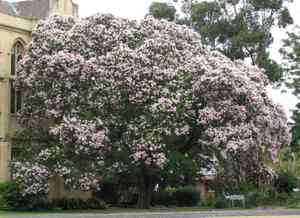
The ideal time to relocate cape chestnut is as winter's cold recedes and the warmth that encourages new growth emerges. Place cape chestnut in soil that drains effectively and receives abundant sunlight. Careful handling and adequate hydration are crucial for successful integration.
Essential Preparations Before Relocating Cape Chestnut?
Optimal Period for Moving Cape Chestnut?
The prime time for transplanting cape chestnut is during its spring awakening, when temperatures are mild and consistent. Moving it during these gentler days reduces stress, allowing it to root comfortably and recover. This approach leverages the plant's natural growth cycle, providing the best conditions for root establishment before summer's peak and encouraging vigorous growth.
Recommended Spacing Between Cape Chestnut Plants?
For cape chestnut, maintain a separation of 20-25 feet (6-7.6 meters) between each plant during transplantation. This spacing ensures proper development without competition for nutrients and sunlight.
Ideal Soil Mixture for Cape Chestnut Transplantation?
Prepare a well-draining, fertile soil for cape chestnut. A loamy or sandy soil type is suitable. Incorporate a base fertilizer rich in organic matter into the soil before planting to promote healthy growth.
Preferred Location for Your Cape Chestnut?
Regarding sunlight, cape chestnut thrives in full sun or partial shade. Select a garden spot that receives ample sunlight throughout the day, but also offers some protection from intense sun.
Equipment Needed Before Transplanting Cape Chestnut?
Gardening Gloves
To shield your hands from soil and potential skin irritants.
Trowel
For excavating a hole appropriate for your cape chestnut's root-ball size.
Spade or Shovel
For extracting the cape chestnut from its original spot, especially if it's in the ground.
Watering Can
To hydrate the plant before and after the move.
Wheelbarrow (optional)
To transport the cape chestnut from its initial location to the new one, if necessary.
Pruning Shears
To trim any dead or damaged branches from the cape chestnut prior to transplanting.
Compost or Organic Matter
To enrich the planting hole, aiding the cape chestnut in quickly establishing itself in its new environment.
How to Extract Cape Chestnut from the Soil?
How to Extract Cape Chestnut from the Soil?
From Ground: Begin by moistening the soil around cape chestnut to soften it for easier handling. Use a Spade or Shovel to dig a circle around the cape chestnut, far enough away to prevent root damage. Aim to dig deep enough to get beneath the root ball, then carefully lift the plant. From a Pot: First, water the cape chestnut thoroughly. Turn the pot sideways, then gently tap its edges on a firm surface to loosen the soil and roots. Afterward, carefully slide the cape chestnut out while supporting the root ball. From a Seedling Tray: Water the seedlings first to dampen the soil. Use a small utensil, such as a dinner fork, to gently pry the cape chestnut seedling out of the tray, being careful not to harm the roots or leaves.
Step-by-Step Guide for Transplanting Cape Chestnut
Preparation
Remove any dead or dying branches from the cape chestnut using the Pruning Shears. This assists in faster recovery from transplant stress.
Digging the Hole
Excavate a hole that is twice as wide and the same depth as cape chestnut's root ball using your Trowel. If the soil is poor, incorporate some compost or organic matter into the bottom of the hole.
Placing the cape chestnut
Position the cape chestnut into the hole, ensuring it is at the same depth as in its previous location. Backfill the hole, gently firming the soil around the root ball.
Watering
After transplanting, water the cape chestnut generously with your Watering Can. This helps the soil settle around the roots.
Post-Transplantation Care for Cape Chestnut?
Watering
Always keep the soil around the cape chestnut moist after transplanting. Consistent watering is crucial for successful establishment in its new spot.
Weeding
Weeds compete with cape chestnut for nutrients, water, and space. Regularly remove them, especially in the initial weeks post-transplant.
Pruning
Monitor your cape chestnut's growth and prune as needed to maintain its shape and remove any dead or damaged branches to encourage healthier development.
Observation
Closely watch your cape chestnut after transplantation. This helps in early detection of stress or disease signs like wilting, yellowing leaves, or insect infestations, allowing for immediate intervention.
Addressing Common Issues with Cape Chestnut Transplantation.
When is the optimal time to transplant cape chestnut?
Transplanting cape chestnut is most successful between early Spring (S1) and mid-Summer (S3).
Is there a specific spacing requirement for cape chestnut?
Yes, it's best to position these plants approximately 20-25 feet (6-7.6 meters) apart. This encourages healthy growth.
How should I prepare the soil before transplanting cape chestnut?
You'll want to enrich the soil with organic matter. Also, ensure the pH level is neutral to slightly acidic.
What's the best method for removing cape chestnut from its current spot?
Dig a generous area around the plant. Try to keep the rootball intact while lifting it with a garden fork.
How deep should the new hole be for cape chestnut?
Dig a hole twice as wide as the rootball and equally as deep. This provides ample space for root development.
How should I position cape chestnut in the new hole?
Gently place cape chestnut in the hole, ensuring the top of the rootball is level with the surrounding ground.
What immediate care does cape chestnut need after transplanting?
Water the plant thoroughly after transplanting, and continue watering weekly thereafter if rainfall is insufficient.
Is staking necessary for cape chestnut after transplanting?
If the plant appears unstable, you can stake it. Ensure the stake does not harm the rootball or impede growth.
Why are the leaves of my transplanted cape chestnut wilting?
Wilting can indicate stress. Ensure its watering needs are met, and try to minimize exposure to extreme temperatures.
What if the transplanted cape chestnut shows no new growth?
Be patient. After transplant shock, cape chestnut may take several weeks to exhibit new growth. If still concerned, consult a horticulturist.



