How to Transplant Incense cedar?
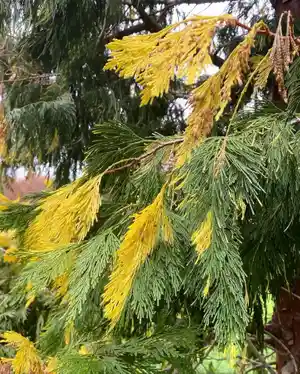
The ideal period for relocating incense cedar falls between the middle and end of spring, since the temperate conditions foster robust root development. Select a site with good drainage and ample sunlight to encourage peak growth. Carefully disentangle the root mass if needed, guaranteeing a successful relocation.
What Preparations are Needed Before Transplanting Incense Cedar?
What is the Ideal Time for Transplanting Incense Cedar?
Placing incense cedar into nourishing soil from mid to late spring is perfect. During this comfortably warm period, the newly moved incense cedar can benefit from increasing daylight and mild temperatures, aiding recovery and sustained development. Aligning transplanting time with nature is a smart move; your incense cedar will appreciate it!
How Much Space Should You Leave Between Incense Cedar Plants?
For relocating incense cedar, we suggest maintaining a distance of 8-10 feet (2.4-3 m) between each specimen. This spacing will guarantee they have ample room to grow and thrive in your garden.
What is the Best Soil Mix for Incense Cedar Transplanting?
When preparing the ground for incense cedar, it's best to use a soil blend that drains well and enrich it with a slow-release, balanced plant food. This will supply the nutrients your incense cedar requires to flourish and expand.
Where Should You Relocate Your Incense Cedar?
Locate a spot in your garden where incense cedar will receive full sun or partial shade. This will help them reach their maximum potential in terms of development, vitality, and aesthetic appeal. Happy planting!
What Equipments Should You Prepare Before Transplantation Incense Cedar?
Gardening Gloves
To safeguard your hands while handling soil and plants.
Shovel or Spade
To excavate holes for relocation and extract the plant from its initial spot.
Trowel
To dig smaller holes and assist in lifting young plants from trays.
Pruner
To trim damaged roots or branches if necessary.
Watering Can or Hose
To hydrate the soil and plant before, during, and after the move.
Wheelbarrow or Container
To move the plant from one place to another.
Soil Amendment (optional)
To provide additional nutrients and enhance the overall soil quality.
Mulch (optional)
To help retain moisture and suppress weeds around the plant.
How Do You Remove Incense Cedar from the Soil?
How Do You Remove Incense Cedar from the Soil?
From Ground: First, moisten the incense cedar plant to dampen the earth. Then, dig a wide trench around the plant using a shovel or spade, ensuring the plant's root ball stays intact. Carefully work the spade beneath the root ball to lift the plant from its original position.From Pot: Hydrate the incense cedar plant in its container to moisten the potting mix. Turn the pot sideways and gently tap the rim on the ground or a firm surface to loosen the plant. Carefully slide the plant out of the pot, keeping the root ball as undisturbed as possible.From Seedling Tray: Water the incense cedar seedlings to moisten the growing medium. Use a trowel to carefully dig under the seedlings while supporting the top of the plant with your other hand. Lift the seedlings from the tray, gently removing any excess soil from the roots.
Step-by-Step Guide for Transplanting Incense Cedar
Site Preparation
Clear any unwanted plants or debris from the new planting area and dig a hole that is at least twice as wide and slightly deeper than the plant's root ball.
Watering the Hole
Fill the excavated area with water and allow it to drain to hydrate the soil at the new location.
Amendments
Incorporate some soil conditioner into the removed soil if your soil is poor or lacks nutrients.
Placing the incense cedar Plant
Gently position the incense cedar plant into the prepared hole, ensuring it is upright and situated at the same depth as it was in its initial spot.
Backfilling and Tamping
Refill the hole with the amended soil, gently pressing down as you go to eliminate air pockets and provide support for the plant.
Watering
Thoroughly water the incense cedar plant, ensuring the soil is uniformly moist but not waterlogged.
Mulching (optional)
Apply a layer of organic material around the base of the plant to help retain moisture and prevent weed growth.
How Do You Care For Incense Cedar After Transplanting?
Watering
Keep the soil around the incense cedar consistently damp, but not saturated, for the initial weeks after transplanting to help establish robust roots.
Pruning
Trim any damaged or broken branches to encourage healthier growth and maintain an attractive form.
Fertilizing
After 4-6 weeks, apply a slow-release plant food to support development and overall plant vitality.
Monitoring
Regularly inspect the incense cedar plant for any indications of stress or pests and address any issues promptly.
Protection
Shield the incense cedar plant from harsh weather conditions such as strong winds, heavy rainfall, or potential frost damage to ensure healthy development.
Troubleshooting Common Issues with Incense Cedar Transplantation.
When is the best time to transplant incense cedar?
The ideal period to move incense cedar is from mid-spring to late spring, as the weather conditions encourage its growth.
How far apart should I space incense cedar when transplanting?
To provide your incense cedar ample room to grow, position each plant between 8-10 feet (approximately 2.5-3 meters) apart.
Do I need to water incense cedar immediately after transplanting it?
Yes. Watering after transplanting is crucial. This helps to settle the soil and prevents the root system from drying out.
Why are the leaves of my transplanted incense cedar turning yellow?
Yellowing foliage could indicate water stress. Ensure incense cedar receives sufficient but not excessive water. If the issue persists, it might be a soil problem.
My incense cedar is wilting after being transplanted. What should I do?
Wilting is a typical stress response post-transplant. Ensure you maintain adequate watering and allow it time to adapt. If the problem continues, seek expert advice.
How deep should the hole be when transplanting incense cedar?
The hole should be twice as wide and just as deep as the root ball of your incense cedar.
Can I transplant incense cedar in the shade or does it need full sunlight?
Incense cedar thrives in full sunlight or partial shade. Ensure the new location receives ample light for optimal growth.
What type of soil should I use when transplanting incense cedar?
Incense cedar prefers well-draining soil with a slightly acidic to neutral pH. Enrich the soil with organic matter to promote healthy growth.
What if the transplanted incense cedar doesn't show new growth?
Patience is key. It might take time for incense cedar to adjust to its new surroundings. Continue care as recommended and avoid overwatering.
Why are the branches of my transplanted incense cedar dying?
Dying branches could be a reaction to transplant shock. Prune the affected parts, maintain proper care, watering, and feeding. If conditions worsen, it might be a disease issue.



