How to Transplant Scotch heather?
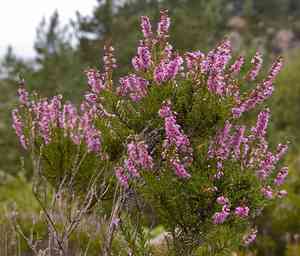
The ideal period for relocating scotch heather is from early to late spring, as environmental conditions foster robust development. Select a site that receives full sun or partial shade, featuring soil that is acidic and drains effectively. Be aware that scotch heather is susceptible to transplant stress, so proceed gently and ensure the root system remains hydrated during the entire procedure.
Essential Preparations Before Relocating Scotch Heather
When is the Best Time to Move Scotch Heather?
The prime window for relocating scotch heather spans from early to late spring. During this period, the moderate weather aids root establishment, which in turn supports the plant's overall development. Transplanting scotch heather at this time ensures a strong start for the growing season, fostering more robust and healthier growth. Spring is undeniably the optimal choice for scotch heather transplantation. Plus, who doesn't enjoy a spring project?
What is the Recommended Spacing for Scotch Heather Plants?
For your beautiful scotch heather, position them with a separation of 9-12 inches (23-30 cm). This spacing guarantees ample room for their growth and root expansion.
What is the Ideal Soil Blend for Transplanting Scotch Heather?
The perfect soil for scotch heather is well-draining, acidic (with a pH of 4.5-5.5), and rich in organic material. Incorporate peat moss or aged compost as a foundational fertilizer before planting to give them an excellent start.
Where Should You Replant Your Scotch Heather?
Select a sunny spot for your scotch heather, as they flourish with at least 6 hours of daily sunlight. While they can endure some shade, full sun will promote their establishment and beautiful growth.
What Tools Should You Prepare Before Transplanting Scotch Heather?
Gardening Gloves
To safeguard your hands while handling soil and plants.
Shovel or Spade
For excavating a hole for your new scotch heather plant and extracting it from its original spot.
Gardening Trowel
For precise digging when moving smaller plants or young sprouts.
Pruning Shears
To remove any dead or damaged branches from the plant.
Watering Can or Hose
To hydrate the plant during and after the transplanting process.
Organic Compost
To enrich the soil and supply nutrients to your scotch heather plant.
Mulch
To help retain moisture, regulate soil temperature, and suppress weeds around the plant.
How to Extract Scotch Heather from the Soil?
How to Extract Scotch Heather from the Soil?
From Ground: First, moisten the soil around the scotch heather plant. Then, use a shovel or spade to dig a wide trench around the plant, ensuring the root ball remains intact. Carefully work the spade beneath the root ball to lift the plant from its original position.From Pot: Water the plant a few hours before transplanting to dampen the soil. Hold the base of the scotch heather plant while inverting the pot, gently tapping the bottom to loosen the soil and roots. Keep the root ball as intact as possible.From Seedling Tray: Water the tray before transplanting to ensure the soil is moist and seedlings can be easily removed. Use a trowel or your fingers to gently separate individual seedlings from the tray, being careful not to harm the roots.
Detailed Guide for Transplanting Scotch Heather
Preparation
Prepare the new planting site by digging a hole slightly larger and deeper than the root ball of your scotch heather plant. Add organic compost to the bottom of the hole to provide nutrients.
Transplanting
Carefully place the scotch heather plant into the hole, ensuring the root ball is centered and level with the surrounding soil. Backfill the hole with a mix of soil and compost, gently patting it down to remove air pockets and ensure the plant is stable.
Watering
Water the scotch heather plant immediately after transplanting to help settle the soil and minimize transplant shock. The soil should be consistently moist, but not waterlogged.
Mulching
Apply a 2-inch layer of mulch around the base of the scotch heather plant to help retain moisture, maintain a stable soil temperature, and reduce weed growth.
Pruning
Trim away any dead or damaged branches from the scotch heather plant using pruning shears, ensuring the plant maintains a healthy form.
Post-Transplantation Care for Scotch Heather
Watering
Keep the soil around the scotch heather consistently moist, but not saturated, for the initial few weeks after transplanting to aid in developing strong roots.
Monitoring
Regularly inspect your scotch heather plant for any indications of stress or disease. Address any issues promptly to ensure the plant's well-being.
Fertilizing
Apply a slow-release fertilizer in the spring to encourage vigorous growth and blooming. Follow product guidelines for application rates and frequency.
Pruning
Prune your scotch heather plant annually in early spring or late winter to maintain its shape and stimulate new growth. Remove spent flowers to encourage continuous blooming throughout the season.
Resolving Common Issues with Scotch Heather Transplantation.
What's the ideal season to transplant scotch heather?
The optimal period to transplant scotch heather is from the beginning to the end of spring.
How much space should I leave between scotch heather plants when transplanting?
Ensure each scotch heather plant has at least 9 inches (23 cm) to 12 inches (30 cm) of space from the next to promote healthy development.
How deep should I plant scotch heather during transplantation?
Scotch heather should be planted so that the top of the root ball is even with or slightly above the soil surface to facilitate growth.
Should I water scotch heather immediately after transplanting it?
Absolutely! Thoroughly watering scotch heather right after transplanting helps settle the soil and allows the roots to recover.
Do I need to amend the soil before transplanting scotch heather?
Yes. Scotch heather prefer well-draining, acidic soil. You may need to add compost or other amendments to achieve these conditions.
My transplanted scotch heather is turning brown, what could be the issue?
Brown leaves could indicate insufficient watering or too much direct sunlight too soon after transplanting. Adjust accordingly to remedy.
How can I ensure scotch heather transplantation success?
The key is proper timing, soil amendments, appropriate spacing, correct depth, adequate watering, and patience for scotch heather to adapt.
Can scotch heather die after transplantation? If yes, what could be the causes?
Yes, scotch heather can perish due to factors such as planting at the wrong time, insufficient or excessive water, or unsuitable soil conditions.
How long does it take for scotch heather to fully adapt after transplantation?
It may take a few weeks for scotch heather to settle in and begin new growth. Continue to monitor and care for the plant.
How often should I water the transplanted scotch heather?
Water scotch heather deeply every few days for the first several weeks. Afterward, reduce frequency but ensure the soil does not become too dry.



