How to Transplant China aster?
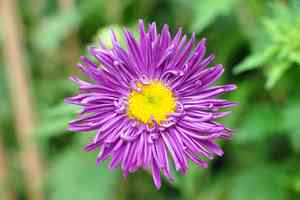
For best results, relocate china aster from mid-spring to late spring, when the temperate climate offers ideal growth circumstances. Select a site featuring soil that drains effectively and receives abundant sunshine. Should it be required, incorporate organic material to enhance the soil's richness. Ensure consistent and gentle watering for a successful transplantation.
What Preparations are Needed Before Transplanting China Aster?
What is the Ideal Time for Transplanting China Aster?
The optimal period for relocating china aster is from mid-spring through late spring. Moving them during this window ensures vigorous development, abundant blossoms, and a robust, healthy plant. Your china aster will flourish and thrive quickly!
How Much Space Should You Leave Between China Aster Plants?
To provide your china aster plants ample room to develop, ensure they are spaced approximately 1-2 feet (30-60 cm) apart. This promotes good air circulation and helps deter diseases.
What is the Best Soil Mix for China Aster Transplanting?
Prepare a well-draining soil blend for your china aster plants, comprising equal parts garden soil, peat or organic material, and sand. Incorporate a slow-release, balanced fertilizer to supply essential nutrients.
Where Should You Relocate Your China Aster?
Select a site for your china aster plants that receives full sun for a minimum of 6-8 hours daily. This guarantees they get the necessary sunlight for strong growth and the beautiful flowers you desire.
What Equipments Should You Prepare Before Transplantation China Aster?
Gardening Gloves
To safeguard your hands while handling soil and plants.
Shovel or Garden Trowel
Required for digging the hole and moving the plant.
Watering Can
For hydrating the china aster during and after its relocation.
Pruner
To trim any dead or damaged leaves or roots prior to transplanting.
Soil Amendments (if needed)
To enrich nutrients and enhance soil structure for improved plant development.
Mulch
To retain moisture and suppress weeds at the new planting spot.
How Do You Remove China Aster from the Soil?
How Do You Remove China Aster from the Soil?
- From Ground:First, moisten the china aster plant to damp the soil. Next, excavate a wide trench around the plant using a shovel or spade, ensuring the plant's root ball remains intact. Carefully work the spade beneath the root ball to lift the plant from its original position.- From Pot:Before extracting the china aster from its container, water the plant thoroughly. Then, tilt the pot and gently tap its rim against a firm surface to loosen the root ball. Carefully slide the plant out, minimizing disturbance to the root ball.- From Seedling Tray:To remove china aster from seedling trays, water the tray before extraction to keep the root ball intact. Hold the plant by its stem, and gently loosen the soil around the root ball using a small tool, such as a fork or popsicle stick. Lift the plant, keeping the root ball intact, and hold the plant by its root ball to avoid harming the stem and leaves.
Step-by-Step Guide for Transplanting China Aster
Site Selection
Choose a location with adequate sunlight and room for your china aster plant to reach its mature size.
Soil Preparation
Prepare the soil by loosening it and incorporating any necessary amendments. This facilitates easier root establishment for the new plant.
Digging Hole
Excavate a hole slightly larger than the root ball of the china aster plant, ensuring ample space for root expansion.
Positioning Plant
Gently place the root ball of the china aster plant into the hole, making sure the top of the root ball is level with the surrounding soil.
Filling Hole
Carefully backfill around the china aster root ball with soil, pressing lightly to eliminate any air pockets.
Watering
Water the china aster plant thoroughly after transplanting to help settle the soil and encourage root development.
Mulching
Apply a layer of mulch around the china aster plant, being careful to avoid direct contact with its stem. Mulch aids in retaining soil moisture and inhibiting weed growth.
How Do You Care For China Aster After Transplanting?
Watering
Keep the soil around the china aster consistently moist, but not waterlogged, for the initial two weeks post-transplant to aid in strong root establishment.
Deadheading
Regularly remove spent blooms from the china aster to encourage new flower production and extend the blooming period.
Fertilizing
Apply a balanced, slow-release fertilizer according to package directions, a few weeks after transplanting the china aster to support ongoing growth.
Pest Management
Monitor the china aster for pests and diseases, and treat as needed using appropriate methods, such as insecticidal soap, horticultural oil, or organic pesticides.
Seasonal Care
If the china aster is cultivated as an annual, cut back the plant after its blooming cycle concludes and compost or discard the debris. If grown as a perennial, prune back the foliage in the fall or late winter and provide frost protection.
Troubleshooting Common Issues with China Aster Transplantation.
When is the best time to transplant china aster?
Transplant china aster ideally from mid-spring to late spring for optimal growth and flowering outcomes.
What is the recommended spacing for transplanting china aster?
Space china aster plants 1-2 feet (30-60 cm) apart, allowing sufficient room for development and air circulation.
How to prepare the soil for transplanting china aster?
Enrich the soil with organic matter and ensure proper drainage. China aster prefers slightly acidic to neutral soil.
How deep should I plant china aster when transplanting?
Plant china aster at a depth equivalent to the root ball's height, gently covering the roots with soil.
How much water should I provide after transplanting china aster?
Water china aster thoroughly after transplanting, then maintain consistent soil moisture, avoiding excessive or insufficient watering.
What level of sunlight does china aster need after transplanting?
China aster thrives in full sun to partial shade, requiring at least 6 hours of direct sunlight daily.
How to protect transplanted china aster from pests and diseases?
Remove weeds, use insecticidal soap for pests, and ensure good airflow to prevent common problems.
When and how to fertilize china aster after transplanting?
Apply a balanced, slow-release fertilizer around transplanting time, then every 4-6 weeks during the growing season.
How long does it take for china aster to establish after transplanting?
China aster typically takes about 4-6 weeks to establish and begin showing signs of growth and blooming.
Any specific tip to help china aster transplant success?
Add root stimulant during transplanting to encourage root growth, and provide support stakes for taller varieties.



