How to Transplant Bottlebrush?
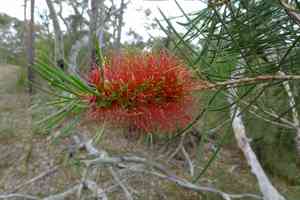
The most favorable period for relocating bottlebrush is during the height of sunlight, which fosters robust development. Select a brightly lit location featuring soil that drains effectively. Should you be moving the plant, proceed with care to lessen root disruption and guarantee a smooth adaptation.
Essential Preparations Before Relocating Bottlebrush?
Optimal Period for Bottlebrush Relocation?
The prime period for moving bottlebrush aligns with its most vigorous growth phase, typically during the pleasant warmth of early summer. Undertaking this task at the right time allows your bottlebrush ample opportunity to establish strong roots, promoting splendid development in its new spot. Embrace the season's warmth, and you'll observe bottlebrush flourishing, as this is when nature's nurturing conditions are at their peak. Friendly advice: put on your gardening gloves, lovingly prepare the soil, and watch bottlebrush reward your efforts with vibrant growth.
Recommended Spacing Between Bottlebrush Plants?
Welcome to gardening, friend! To provide your bottlebrush sufficient room to expand, aim to position each plant approximately 3-5 feet (about 92-150 cm) apart. This ensures they have ample space for root development!
Best Soil Mixture for Bottlebrush Relocation?
For robust bottlebrush development, prepare a well-draining soil blend with some sand. Incorporating a foundational fertilizer, such as compost or aged manure, enhances the soil's nutrient content, which your bottlebrush will appreciate!
Ideal New Location for Your Bottlebrush?
Your bottlebrush thrives in sunlight, so select a site that receives direct sun for most of the day. If your region experiences intense heat, a location offering afternoon shade can help shield your bottlebrush from the scorching sun.
Equipment Needed Before Bottlebrush Transplantation?
Gardening Gloves
To safeguard your hands while digging and handling the plant.
Shovel/Spade
These tools will be useful for digging around the plant and lifting it.
Watering Can
For moistening the original site for easy removal and hydrating the plant post-transplant.
Organic Matter/Compost
Enrich the new location with vital nutrients for the plant's prosperity.
Gardening Fork
It assists in loosening the ground surrounding the plant.
Wheelbarrow
Utilize it for moving the plant from its initial spot to the new one.
How to Extract Bottlebrush from the Soil?
How to Extract Bottlebrush from the Soil?
From Ground: First, hydrate the bottlebrush plant to soften the earth. Next, use a shovel or spade to dig around the plant, ensuring the root ball remains intact. Carefully lift the plant without harming any roots.From Pot: Water the bottlebrush plant and gently tip the pot sideways while supporting the plant's base. If the plant is stuck, you can tap the bottom or squeeze the pot's sides to release it.From Seedling Tray: Water the bottlebrush seedlings and use a dibber or similar tool to gently push up from the seedling's base, taking care not to damage the plant or its roots.
Step-by-Step Guide for Relocating Bottlebrush
Digging
Excavate a hole at the new site that is twice as wide and equal in depth to the bottlebrush's root ball.
Preparing the hole
Incorporate some organic matter or compost into the hole and blend it with the existing soil.
Placing the Plant
Carefully position the bottlebrush in the hole, ensuring it stands upright. The top of the root ball should be level with the ground surface.
Backfilling
Refill the hole with soil, gently firming it around the plant's base. Water it thoroughly.
Mulching
Apply a layer of mulch around the plant, keeping it away from the stem, to retain moisture.
Post-Transplant Care for Bottlebrush?
Watering
Provide your bottlebrush with a good watering immediately after transplanting, but avoid overwatering thereafter. Monitor the soil's moisture level for the initial few weeks.
Protection
Consider employing a plant protector to shield the young bottlebrush from pests.
Pruning
While bottlebrush plants typically don't require extensive pruning, you can lightly prune to encourage a denser growth habit.
Checking Growth
Observe the plant's development. Yellowing leaves might signal a deficiency or stress. Seek advice from a local nursery or extension service if necessary.
Addressing Common Bottlebrush Transplantation Issues.
What is the optimal season to move bottlebrush?
Late spring to early summer (S4-S6) is the ideal period for relocating bottlebrush. This season provides prime growth conditions.
How much distance should be maintained between bottlebrush when transplanting?
Each bottlebrush should ideally have a personal space of 3-5 feet (approximately 1-1.5 meters). This ensures unhindered growth.
Is there a specific planting depth for bottlebrush during transplanting?
There isn't a rigid rule. However, aiming to plant bottlebrush at the same soil level as it was in its original container usually works best.
Can bottlebrush be transplanted into any soil type?
While bottlebrush is adaptable, it thrives best in well-draining and slightly acidic soil. Heavily compacted or waterlogged soil should be avoided.
Should I water bottlebrush immediately after transplanting?
Yes, providing bottlebrush with a thorough watering after transplanting helps it settle into its new environment and mitigates transplant shock.
Is it necessary to prune bottlebrush before transplanting?
Pruning is not compulsory, but removing weak, diseased, or dead branches before transplanting reduces stress on bottlebrush and promotes healthier growth.
What symptoms will bottlebrush exhibit if not transplanted correctly?
Signs such as wilting, browning leaves, stunted growth, or even plant demise may occur if bottlebrush has not been transplanted properly.
Can bottlebrush endure direct sunlight exposure after transplanting?
Bottlebrush enjoys the sun. However, it's prudent to offer some shade immediately after transplanting to aid its adjustment.
How to manage transplant shock in bottlebrush?
Minimize transplant shock by moving bottlebrush gently, safeguarding roots, maintaining original soil, and adequately watering the plant after transplanting.
Should I stake bottlebrush after transplanting?
If bottlebrush is tall or weak, staking it after transplanting can help prevent wind damage and support new growth.



