How to Transplant Basket plant?
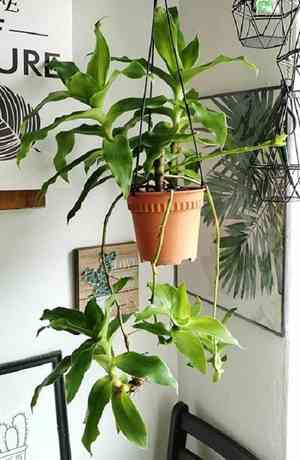
The most suitable period for relocating basket plant is from late spring to mid-summer, since the elevated temperatures facilitate quick root development. Select a bright, adequately drained spot to ensure thriving growth. Make certain to allocate sufficient room for its expansive nature to prosper.
Necessary Preparations Before Moving Basket Plant?
Optimal Period for Relocating Basket Plant?
The best time to relocate basket plant is from late spring through mid-summer. This period provides a warm, supportive environment for basket plant. Moving basket plant during this season promotes root establishment before colder weather. You'll observe more robust, vibrant blooms in subsequent seasons. Follow this step-by-step guide for a smooth transplanting preparation.
Required Spacing Between Basket Plant Specimens?
When relocating your basket plant, ensure a spacing of approximately 8-12 inches (20-30 cm) between them. This provides ample room for the plants to develop and flourish without competition.
Ideal Soil Blend for Basket Plant Relocation?
To create the best foundation for your basket plant, use well-draining soil enriched with organic matter or compost. For a strong start, incorporate a balanced, slow-release fertilizer to encourage growth.
Where to Replant Your Basket Plant?
Select a garden location where your basket plant can receive partial shade or filtered sunlight. Avoid areas with intense, direct sun, as it can damage the delicate foliage of your beautiful plant.
Equipment to Prepare Before Transplanting Basket Plant?
Garden Trowel
For extracting the basket plant from its original spot and excavating a new hole in the ground.
Gardening Gloves
To safeguard your hands while handling the plant and working with soil.
Watering Can
For hydrating the basket plant after its relocation.
Mulching Material (e.g., shredded bark)
To aid in retaining soil moisture and inhibiting weed growth around the basket plant.
Compost or Organic Matter
To enrich the soil and assist the basket plant in adapting to its new environment.
How to Extract Basket Plant from the Soil?
How to Extract Basket Plant from the Soil?
From Seedling Tray: If basket plant is a seedling, moistening the soil in the tray can facilitate its removal. Gently separate the seedling from others without harming the roots.From Pot: For a potted basket plant, water it first to loosen the soil, then invert the pot and tap it gently to release the plant, taking care not to damage its roots.From Ground: First, water the basket plant to soften the surrounding soil. Using a gardening trowel, dig a wide trench around the plant, ensuring the root ball remains intact. Carefully work the trowel beneath the root ball to gently lift the basket plant.
Step-by-Step Guide for Relocating Basket Plant
Excavating a Hole
The hole should be deep enough and twice the width of the basket plant's root ball to accommodate its expansion. Fill the lower portion of the hole with a mixture of soil and compost for nourishment.
Positioning
Carefully place the basket plant in the hole, ensuring the top of the root ball is level with the soil surface.
Backfilling the Hole
Refill the hole with soil, gently firming it around the plant's base. Confirm no air pockets remain.
Hydration
Thoroughly water the basket plant with a watering can, making sure the soil is moist but not waterlogged.
Mulching
Apply a layer of mulching material around the base of the basket plant. This will help maintain soil moisture and prevent weed growth.
Post-Transplant Care for Basket Plant?
Consistent Observation
Inspect the basket plant daily for any indications of transplant shock, such as yellowing leaves or wilting stems, and implement necessary corrective actions.
Watering Regimen
Maintaining a suitable watering schedule for the basket plant, ideally in the mornings, is crucial. Keep the soil moderately moist, but avoid overwatering as it can lead to root rot.
Trimming
Some initial trimming may be required after transplant. Remove any dead or dying leaves from the basket plant, allowing it to direct all energy towards root development and new growth.
Pest and Disease Management
Monitor for common pests and diseases, utilizing natural or chemical treatments when necessary.
Resolving Common Issues with Basket Plant Relocation.
When is the best time to move basket plant?
The optimal period to relocate basket plant is from late spring to mid-summer, providing the most favorable growing conditions.
What should be the ideal spacing between basket plant when moving them?
For proper development, ensure basket plants are relocated 8-12 inches (20-30 cm) apart from each other.
Do I need to water basket plant immediately after transplanting? How much?
Yes, it's essential to water basket plant right after transplanting, providing a thorough soak but preventing waterlogging.
What is the best soil to use when relocating basket plant?
Basket plant thrives in fertile, well-drained soil. Add compost for nutrients and ensure a neutral to slightly acidic pH.
What if the relocated basket plant wilts?
Wilting can indicate shock. Remain calm, ensure adequate watering, and shield it from harsh weather. It should gradually recover.
How deep should I plant basket plant during relocation?
When relocating basket plant, plant it deep enough to cover the root ball, but not so deep as to cover the stem.
What should I do if the leaves of my basket plant turn yellow after relocating?
Yellow leaves might suggest over-watering. Adjust watering frequency and ensure proper drainage to resolve this issue.
How much sunlight does basket plant require after relocation?
Basket plant typically needs bright, indirect sunlight after relocation. Extended direct sun can cause leaf burn.
Should I fertilize basket plant immediately after relocating?
Avoid immediate fertilization after relocation as it might cause root burn. Wait 2-3 weeks for the plant to establish itself.
What is the appropriate pot size for relocating basket plant?
Choose a pot that is at least 2 inches (5 cm) larger in diameter than the previous one to allow for healthy root development.



