How to Transplant Japanese callicarpa?
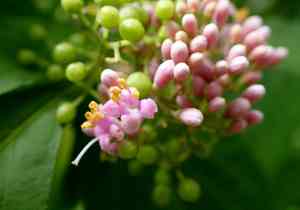
Select mid to late spring as the ideal period for relocating japanese callicarpa, allowing its root system to settle in mild conditions. Pick a spot with dappled sunlight and damp, adequately draining earth to facilitate the japanese callicarpa's successful growth after transplantation.
What Preparations are Needed Before Transplanting Japanese Callicarpa?
What is the Ideal Time for Transplanting Japanese Callicarpa?
Relocate japanese callicarpa during the revitalizing period of mid to late spring, when growth is most robust. This timing allows japanese callicarpa to establish roots prior to summer's heat, ensuring a smooth transition to a new spot. Embrace the spring season's mild temperatures and optimal soil conditions to give japanese callicarpa the fresh start it deserves. By selecting this period of natural renewal, youâre aligning japanese callicarpa's growth cycle with the environment for peak success.
How Much Space Should You Leave Between Japanese Callicarpa Plants?
Aim to position japanese callicarpa plants 2-4 feet (0.6-1.2 meters) apart when relocating. This will provide ample room for them to grow and spread without overlapping, fostering healthier development.
What is the Best Soil Mix for Japanese Callicarpa Transplanting?
Utilize well-draining soil for japanese callicarpa. Loam or sandy loam is perfect. Incorporate a slow-release granular fertilizer as a base to nourish the plant. This will enrich the soil and encourage superior growth.
Where Should You Relocate Your Japanese Callicarpa?
Select a site for japanese callicarpa that receives full sun to partial shade. This plant can endure various light conditions, but it thrives best with a balanced mix of sun and shade.
What Equipments Should You Prepare Before Transplantation Japanese Callicarpa?
Spade or Shovel
To excavate around and beneath the japanese callicarpa plant. This ensures the root ball stays intact during removal.
Gardening Gloves
To safeguard your hands while handling soil and the plant.
Wheelbarrow
To move the extracted plant and extra soil, if needed.
Garden Hose or Watering Can
Maintaining soil moisture is crucial for successful relocation. Ensure you have a reliable water source.
Planting Trowel
For digging a hole for the japanese callicarpa's new placement.
Gardening Fork
To help aerate the soil in the new location, promoting root expansion.
Mulch
To aid in retaining soil moisture and safeguarding the japanese callicarpa post-transplant.
How Do You Remove Japanese Callicarpa from the Soil?
How Do You Remove Japanese Callicarpa from the Soil?
From Ground: Begin by watering the japanese callicarpa to moisten the soil, which will facilitate digging and lessen plant stress. Dig a wide trench around the plant using a shovel or spade, being careful to keep the root ball intact. After digging the trench, gently work your tool beneath the root ball to lift the plant from its original spot.From Pot: If the japanese callicarpa is currently in a container, watering the plant to dampen the soil is also recommended. Invert the pot, supporting the plant with your other hand. If the plant doesn't slide out, tap the pot's rim on a firm surface. Once the plant emerges, handle it with care, ensuring no damage to the root ball.From Seedling Tray: First, water the japanese callicarpa seedlings. Once the soil is moist, gently push the seedlings up from the bottom. If they don't come free, use a small tool to carefully lift them out, taking care not to harm the delicate roots.
Step-by-Step Guide for Transplanting Japanese Callicarpa
Preparation
Once you've selected the ideal spot for your japanese callicarpa plant, water the area to make the soil easier to manage. Use the gardening fork to loosen the soil. It should be sufficiently loose for water to effectively reach the deeper roots.
Digging
Excavate a hole that is twice as wide and equally deep as the japanese callicarpa's root ball. Arrange the removed soil near the hole, as it will be mixed back in during planting.
Placing
Gently position the japanese callicarpa plant into the hole. The top of the root ball should be at or slightly below the ground level. Backfill around the root ball with the soil that was removed to create the hole, gently firming it into place without excessive compaction.
Watering
Immediately after transplanting, thoroughly but gently water the japanese callicarpa, ensuring the water penetrates to the deepest roots. Avoid over-watering, as it can lead to root rot.
Mulching
Apply a layer of mulch around the plant's base to help retain moisture and suppress weeds.
How Do You Care For Japanese Callicarpa After Transplanting?
Watering
Water the japanese callicarpa consistently for the initial weeks following relocation. However, be sure not to overwater the soil; it should be moist, but not saturated.
Weed Control
Regularly inspect and remove any nearby weeds, as they compete with the japanese callicarpa for nutrients.
Pruning
To encourage dense growth and future blooms, you can prune the japanese callicarpa after it flowers.
Monitoring
Closely observe your japanese callicarpa after transplanting. Watch for any signs of stress, such as wilting or discoloration. If detected early, most issues can be easily resolved.
Troubleshooting Common Issues with Japanese Callicarpa Transplantation.
When is the best time to transplant japanese callicarpa?
The optimal period to relocate japanese callicarpa is between late spring and early summer ('S2-S3'). These seasonal transitions offer the most favorable conditions for growth.
What's the ideal spacing for japanese callicarpa when transplanting?
When relocating japanese callicarpa, ensure they are spaced approximately 2-4 feet (0.6-1.2 meters) apart. This will provide each plant ample room to grow and flourish.
Why is my transplanted japanese callicarpa wilting?
Wilting may be due to water stress. After transplanting japanese callicarpa, water the plant thoroughly and continue regular watering. However, avoid overwatering as this can cause root rot.
My transplanted japanese callicarpa is not showing new growth, what might be wrong?
Ensure your japanese callicarpa is planted in well-draining soil. Poor drainage or compacted soil can impede root growth. Additionally, confirm it's receiving sufficient sunlight. It may require a few weeks to settle.
The leaves of my transplanted japanese callicarpa are yellowing, why might this be?
Yellowing leaves can indicate overwatering or insufficient fertilization. Adjust your watering schedule and consider a slow-release fertilizer for the surrounding soil. Remember, japanese callicarpa prefers a slightly acidic to neutral pH.
What depth should I plant the japanese callicarpa when transplanting?
Relocate japanese callicarpa at the same depth it was previously growing. Ensure it is deep enough to cover the root ball, but do not bury the plant's base. This helps prevent root rot.
How to handle the roots of japanese callicarpa while transplanting?
Handle the roots of japanese callicarpa gently during relocation. If roots are tightly coiled, gently loosen them. This encourages them to spread outwards into the surrounding soil.
Why are the leaves of my transplanted japanese callicarpa dropping?
Dropping leaves might be a symptom of transplant shock. Keep the soil moist but not waterlogged, and place the japanese callicarpa in partial shade for the initial couple of weeks.
How long after transplanting should I wait to fertilize japanese callicarpa?
Wait approximately 1-2 months after relocating japanese callicarpa before applying any fertilizer. This allows the plant time to adjust and reduces the risk of fertilizer burn.
Any tip for keeping japanese callicarpa healthy after transplanting?
Mulching can help japanese callicarpa maintain soil moisture and regulate soil temperature. A layer of 2-3 inches (5-7.5 cm) of organic mulch would be beneficial.



