How to Transplant Fishtail lawyer cane?
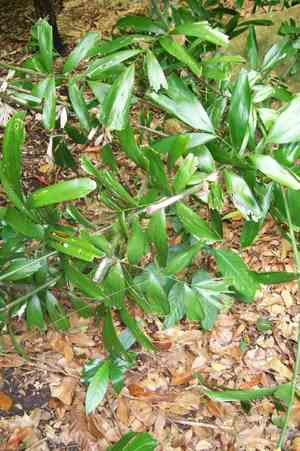
Fishtail lawyer cane flourishes when relocated in the gentle warmth of mid to late spring. This timeframe guarantees ideal root development. Select a spot with partial shade and soil that drains effectively, ensuring fresh growth prospers in its new environment.
What Preparations are Needed Before Transplanting Fishtail Lawyer Cane?
What is the Ideal Time for Transplanting Fishtail Lawyer Cane?
The best time for relocating fishtail lawyer cane, a perennial plant, is from mid-spring to early summer. This period allows fishtail lawyer cane to establish its root system prior to the intense summer heat, improving its chances of survival and development. Moving it during these seasons ensures fishtail lawyer cane receives sufficient rainfall and milder temperatures, promoting better root growth and overall plant vitality.
How Much Space Should You Leave Between Fishtail Lawyer Cane Plants?
When moving fishtail lawyer cane, ensure a spacing of 3-5 feet (0.9 to 1.5 meters) between plants. This provides ample room for their growth and prevents competition for essential nutrients.
What is the Best Soil Mix for Fishtail Lawyer Cane Transplanting?
For fishtail lawyer cane, utilize soil that drains well and contains ample organic material. Incorporating a phosphorus-rich base fertilizer will encourage robust root development. Compost or a slow-release granular fertilizer works effectively.
Where Should You Relocate Your Fishtail Lawyer Cane?
Move fishtail lawyer cane to a location that receives partial to full shade. This plant thrives without direct sun exposure, so select a spot protected from the harsh afternoon rays.
What Equipments Should You Prepare Before Transplantation Fishtail Lawyer Cane?
Gardening Gloves
To safeguard your hands while handling soil and the plant.
Shovel or Spade
For excavating around the plant and preparing the new planting site.
Trowel
To assist with more precise digging and moving soil.
Garden Fork
To loosen the soil surrounding the plant for easier extraction.
Watering Can or Hose
For hydrating the plant before and after its relocation.
Burlap or Plastic Sheeting
To wrap the root ball during transit if necessary.
Pruners
To trim any damaged roots or leaves during the process.
Stakes and Ties
To provide support for the plant after transplanting, if required.
How Do You Remove Fishtail Lawyer Cane from the Soil?
How Do You Remove Fishtail Lawyer Cane from the Soil?
From Ground: First, hydrate the fishtail lawyer cane plant to moisten the soil. Next, excavate a wide trench around the plant using a shovel or spade, ensuring the plant's root ball remains intact. Carefully work the spade beneath the root ball to lift the plant from its original spot.From Pot: Water the fishtail lawyer cane plant thoroughly. Gently tap the pot's sides to loosen the soil. Carefully slide the plant out, supporting the root ball as you do so. If roots are tightly bound, gently separate them to encourage spreading.From Seedling Tray: Water the tray well for easier removal. Using a trowel or your fingers, gently lift the seedlings from the tray, aiming to keep the root ball intact. Handle by the leaves to avoid harming the delicate stems.
Step-by-Step Guide for Transplanting Fishtail Lawyer Cane
New Location Preparation
Prepare the new planting site by digging a hole that is twice as wide and equally deep as the fishtail lawyer cane's root ball. Loosen the soil at the bottom of the hole to aid root penetration.
Transporting the Plant
If the plant requires transport, wrap its root ball in burlap or plastic sheeting to prevent disruption and minimize harm.
Planting
Position the fishtail lawyer cane in the prepared hole, ensuring it sits at the same depth as it was previously. Backfill the hole with soil, gently pressing down to eliminate air pockets.
Watering
After planting, thoroughly water the fishtail lawyer cane to settle the soil around the roots and remove any remaining air pockets. Ensure the soil is uniformly moist.
How Do You Care For Fishtail Lawyer Cane After Transplanting?
Watering
Keep the soil around the fishtail lawyer cane consistently damp, but not waterlogged, for the initial weeks post-transplant to help establish strong roots.
Mulching
Apply a layer of mulch around the plant's base to help retain soil moisture and stabilize soil temperature.
Staking
If needed, use stakes and ties to support the fishtail lawyer cane as it re-establishes in its new spot.
Pruning
Remove any damaged or dead leaves to allow the plant to direct its energy towards new growth.
Troubleshooting Common Issues with Fishtail Lawyer Cane Transplantation.
When is the best time to transplant fishtail lawyer cane?
The ideal period to relocate fishtail lawyer cane is from mid-spring to early summer.
How should I space fishtail lawyer cane when transplanting?
Space fishtail lawyer cane 3-5 feet (0.9-1.5 meters) apart for optimal development.
How deep should the hole be for transplanting fishtail lawyer cane?
Excavate a hole twice the width and the same depth as the root ball.
How do I ensure proper root hydration for fishtail lawyer cane during transplant?
Water thoroughly before and after transplanting to keep the roots adequately moist.
What type of soil is ideal for transplanting fishtail lawyer cane?
Fishtail lawyer cane thrives in well-draining, fertile soil rich in organic matter for healthy growth.
Is it necessary to prune fishtail lawyer cane before transplanting?
Minor pruning helps lessen transplant shock. Trim any dead or damaged fronds.
What should I do if fishtail lawyer cane shows signs of transplant shock?
Maintain moist soil, provide shade, and avoid fertilizing immediately after transplant.
Can I transplant fishtail lawyer cane in the fall?
Relocating fishtail lawyer cane in autumn is not advised due to a heightened risk of stress.
How can I protect fishtail lawyer cane from pests during transplanting?
Inspect for pests beforehand and use organic pest control methods as required.
How soon should I fertilize fishtail lawyer cane after transplanting?
Wait at least 4-6 weeks before fertilizing to allow fishtail lawyer cane to become established.



