How to Transplant Heart of jesus?
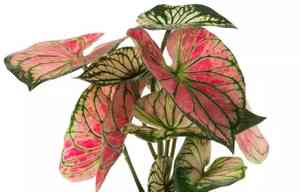
For optimal development, relocate heart of jesus preferably in the middle to latter part of spring or during autumn. Select a site with good drainage and partial shade to achieve the most favorable outcome. Maintain consistent soil moisture, and if required, apply a slow-release nutrient supplement for additional nourishment.
What Preparations are Needed Before Transplanting Heart Of Jesus?
What is the Ideal Time for Transplanting Heart Of Jesus?
The perfect seasons for relocating heart of jesus are from mid to late spring and mid to late fall. These periods ensure optimal root establishment and minimize plant stress, leading to a healthy, flourishing heart of jesus.
How Much Space Should You Leave Between Heart Of Jesus Plants?
To provide ample room for each heart of jesus plant, aim to space your transplants approximately 1-2 feet (30-60 cm) apart. This creates optimal conditions for their growth and spread!
What is the Best Soil Mix for Heart Of Jesus Transplanting?
For heart of jesus, ensure you have well-draining soil, ideally a blend of loamy and sandy soil. As a foundational fertilizer, apply a slow-release granular fertilizer, such as a 10-10-10 NPK mix, to supply essential nutrients.
Where Should You Relocate Your Heart Of Jesus?
When selecting the perfect location for heart of jesus, they thrive in dappled sunlight or partial shade throughout the day. Be creative â find a spot where they can enjoy some morning or late afternoon sun, but are shielded from the most intense midday rays.
What Equipments Should You Prepare Before Transplantation Heart Of Jesus?
Gardening Gloves
To safeguard your hands while handling soil and the heart of jesus plant.
Trowel or Shovel
For digging holes during transplanting and extracting the heart of jesus from its original spot.
Pruner or Scissors
To trim any damaged or wilting leaves or stems from the heart of jesus plant.
Garden Fork
To assist in loosening the soil around the heart of jesus plant during its removal.
Watering Can
To supply water to the heart of jesus plant before, during, and after transplantation.
Organic Fertilizer or Compost
To enrich the soil and provide nutrients for the heart of jesus plant once it's moved.
Mulch
To help maintain soil moisture and regulate soil temperatures around the transplanted heart of jesus plant.
How Do You Remove Heart Of Jesus from the Soil?
How Do You Remove Heart Of Jesus from the Soil?
- From Ground:To extract the heart of jesus plant from the ground, first water the area around the plant's base to moisten the soil. Use a garden fork to loosen the soil surrounding the plant, being careful not to harm the roots. Dig a wide trench around the heart of jesus plant with a shovel or spade, ensuring the root ball remains intact. Carefully work the spade beneath the root ball and lift the plant from its initial location.- From Pot:To remove the heart of jesus plant from a pot, water the soil in the pot until it is damp. Place one hand on the soil surface, holding the plant's base, and gently invert the pot, allowing the plant to slide out of the container. Lightly tap the pot to release the plant if needed. Be gentle to prevent root damage.- From Seedling Tray:To remove the heart of jesus plant from a seedling tray, water the tray to moisten the soil around the seedlings. Gently loosen the soil and roots by pressing on the tray's bottom or poking a finger through the drainage holes. Use a small tool like a butter knife to separate individual heart of jesus plants without harming the roots.
Step-by-Step Guide for Transplanting Heart Of Jesus
Site Selection
Choose a location with adequate space for the heart of jesus plant to reach its mature size. The area should have well-draining soil and sufficient room around the plant to prevent overcrowding.
Prepare the Soil
Loosen the soil at the transplant site and mix in some organic matter, such as compost, into the top 6-8 inches.
Dig a Hole
Use a trowel or shovel to excavate a hole at the chosen spot, ensuring it's about twice as wide and just as deep as the heart of jesus plant's root ball.
Place the Plant
Carefully transfer the heart of jesus plant into the hole. Position it at a depth so that the top of the root ball is level with or slightly above the surrounding soil surface.
Backfill
Refill the hole with soil, making sure the plant is upright and stable. Gently press the soil around the plant to eliminate air pockets.
Water
Give the newly transplanted heart of jesus plant a generous watering to help settle the soil and encourage root establishment in its new location.
Fertilize and Mulch
Apply a layer of organic fertilizer or compost near the base of the heart of jesus plant, followed by a layer of mulch to help retain moisture and regulate soil temperature.
How Do You Care For Heart Of Jesus After Transplanting?
Watering_Instructions
Keep the soil around the heart of jesus plant consistently moist but not waterlogged for the initial few weeks post-transplant to encourage robust root development.
Pruning_Tips
Remove any damaged or wilting leaves and stems to stimulate new growth and maintain plant health.
Fertilizing_Information
Nourish the heart of jesus plant with a balanced fertilizer every 4-6 weeks during the growing season to promote vigorous growth.
Monitoring_Growth
Observe the heart of jesus plant's growth regularly and adjust care as needed; if the plant appears stressed, take steps to address any issues like modifying water levels or providing extra shade or support.
Pest_Control
Inspect the heart of jesus plant frequently for signs of pests or disease and take appropriate measures to maintain a healthy garden environment.
Troubleshooting Common Issues with Heart Of Jesus Transplantation.
When is the best time to transplant heart of jesus?
The optimal period for transplanting heart of jesus is from mid to late spring or mid to late fall.
What is the recommended spacing during transplantation?
For ideal growth, allow 1-2 feet (30-60 cm) of space between each heart of jesus when transplanting.
How deep should I plant heart of jesus during transplantation?
Plant heart of jesus at a depth of 1-2 inches (2.5-5 cm), with the top of the tuber slightly exposed.
What type of soil is recommended for transplanting heart of jesus?
Utilize well-draining, slightly acidic to neutral soil with a pH of 5.5-6.5 for transplanting heart of jesus.
How should I prepare the site before transplanting heart of jesus?
Clear weeds, loosen the soil, and enrich it with organic matter to enhance drainage and fertility.
What should I do if the leaves wilt post-transplant?
Wilting can be a sign of transplant shock. Water consistently and initially avoid direct sunlight.
Is it necessary to prune heart of jesus before transplanting?
Pruning is not essential, but you can remove damaged or wilted leaves for a neater appearance.
How do I handle heart of jesus's tubers when transplanting?
Carefully lift and separate tubers using a gardening fork, taking care to avoid any damage to roots or tubers.
What is the appropriate temperature for transplantation?
Transplant heart of jesus when daytime temperatures consistently range between 60-80°F (15-27°C).
Should I water heart of jesus immediately after transplanting?
Yes, water heart of jesus generously right after transplanting to aid root establishment and reduce stress.



