How to Transplant Chinese box?
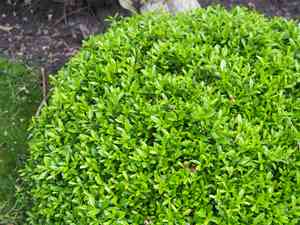
The most favorable period for relocating chinese box is mid-spring, leveraging temperate conditions for root development. Select a site offering partial shade and soil that drains effectively to ensure optimal development. Carefully stimulating the root mass during the transfer can facilitate its settling.
Preparations Required Before Relocating Chinese Box
Optimal Period for Moving Chinese Box?
The most favorable times to move chinese box are the pleasant weeks of mid-spring or the abundant period of late spring. During this timeframe, chinese box benefits from stable weather and balanced moisture, providing roots an ideal environment to flourish. Transplanting chinese box then ensures it establishes well before the rigors of summer heat or winter cold, making it a sensible gardening choice. Furthermore, the mild spring temperatures offer a gardener-friendly experience, free from the rush and harshness of extreme weather. Thus, for the well-being of both chinese box and your gardening spirit, these seasons are unmatched.
Recommended Spacing Between Chinese Box Plants?
Remember, chinese box requires adequate personal space for proper development. Aim for a distance of approximately 1-2 feet (30-60 cm) between each plant when relocating. This guarantees they have sufficient room to expand and thrive!
Ideal Soil Mixture for Chinese Box Relocation?
Prior to moving chinese box, prepare its new site with soil that drains effectively. Additionally, enrich the soil with a balanced, slow-release fertilizer before planting. This will supply chinese box with the necessary nutrients for a strong start!
Where Should You Replant Your Chinese Box?
Chinese box enjoys basking in the sun! Therefore, select a garden spot that provides partial to full sun exposure. However, if you live in a warmer climate, choose a location with some afternoon shade to prevent scorching.
Equipment to Prepare Before Transplanting Chinese Box?
Gardening Gloves
These will safeguard your hands while handling the plant and soil.
Shovel or Spade
You'll need these tools for digging holes and extracting plants from the ground.
Garden Trowel
This is useful for excavating small holes and precisely positioning plants.
Hand Pruners
Helpful for trimming back the roots and branches of chinese box.
Watering Can
You'll require this to hydrate the plant before and after relocation.
Wheelbarrow
This facilitates easier transportation of the chinese box plant from one spot to another.
How to Extract Chinese Box from the Soil?
How Do You Remove Chinese Box from the Soil?
From Ground: Start by watering the chinese box plant a few hours prior, allowing the soil around its roots to become moist. Using a shovel or spade, begin digging a wide trench around the plant, being careful to avoid damaging as many roots as possible. Once the outline of the root ball is visible, carefully work the spade beneath the root ball and lift it from its original position.From Pot: Water the chinese box before beginning this process; this makes removal simpler. After the soil is damp, tilt the pot sideways, tap the bottom, and gently slide your plant out while keeping the root ball as intact as possible.From Seedling Tray: Moisten the soil around the chinese box to facilitate the removal process. Carefully dig around each seedling with a spoon or small trowel, lifting it gently without harming the delicate roots.
Step-by-Step Guide for Relocating Chinese Box
Preparation
Clear your new planting site of any weeds and debris. Dig a hole that is wider and deeper than the root ball of your chinese box.
Placement
Position the chinese box plant within the hole. Verify that the top of the root ball is level with the soil surface. Avoid burying the stem, as this can lead to rot.
Backfill
Fill in the area around the plant with soil, pressing it down firmly with your hands.
Water
Thoroughly water the newly planted chinese box. This will help eliminate any air pockets and ensure the plant makes contact with the soil.
Mulch
Apply a layer of mulch around the base of the plant. This assists in retaining moisture and regulating temperature.
Post-Transplant Care for Chinese Box
Watering
Keep the soil around the chinese box consistently moist, but not waterlogged, for the initial few weeks after relocation.
Pruning
Lightly prune the chinese box plant to aid its recovery from transplant shock.
Observation
Closely monitor the chinese box for indications of stress, such as wilting leaves or stunted growth. If these signs appear, it may require additional care and attention.
Addressing Common Issues with Chinese Box Relocation.
What's the ideal season for moving chinese box?
The perfect time to relocate chinese box is from late spring to early summer, commonly referred to as S2-S3.
How much space should be between chinese box plants after relocation?
For optimal development, ensure a gap of approximately 1-2 feet (30-60 cm) between chinese box plants after transplanting.
Should I trim chinese box before moving it?
Indeed, trimming chinese box before relocation can promote new growth. Remember to remove only about a third of the plant.
How deep should the hole be when moving chinese box?
Excavate a hole that is twice the width of chinese box's root ball and equally deep. This facilitates easier root development.
How should I get chinese box ready for relocation?
Begin by thoroughly watering chinese box a day before the move. Also, ensure the soil in the new location is loose and fertile.
How do I ensure successful root establishment of chinese box after relocation?
Water chinese box consistently after transplanting. Using a root stimulator can also support root establishment.
How do I manage chinese box's shock after relocation?
Minimize transplant shock by planting chinese box during the cooler part of the day, such as early morning or late evening.
What if the leaves of my relocated chinese box start turning yellow?
Yellowing leaves can indicate water stress. Adjust your watering schedule, being careful not to overwater or underwater your chinese box.
How long will it take for chinese box to become stable after relocation?
Generally, chinese box requires about two weeks to firmly root in. Maintaining proper care practices is crucial during this period.
What type of soil does chinese box prefer for relocation?
Chinese box tends to thrive best in fertile, well-drained soil with a neutral to slightly alkaline pH.



