How to Transplant Torchwood copal?
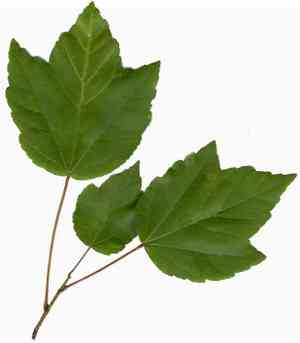
Relocate torchwood copal once temperatures rise and daylight extends, generally after the conclusion of spring. Select a brightly lit spot featuring soil that drains effectively. When cultivating torchwood copal, preserving its root structure is crucial for a smooth acclimation.
Essential Preparations Before Relocating Torchwood Copal?
Optimal Timing for Transplanting Torchwood Copal?
The best time for moving torchwood copal is during the transition from spring to summer. This period leverages consistent growth conditions and minimizes transplant stress. By selecting this moment, when the ground is warm and stable, torchwood copal benefits from balanced temperatures and increasing daylight, promoting robust root establishment and a higher success rate. Focusing your efforts on transplanting torchwood copal during this season will likely result in vigorous growth and a healthier plant.
Recommended Spacing Between Torchwood Copal Plants?
When relocating your torchwood copal, aim for a generous distance of 10-15 ft (3-4.5 m) from other plants. This allows your torchwood copal to expand its branches fully and flourish without competing for resources!
Ideal Soil Mixture for Torchwood Copal Transplanting?
For your torchwood copal, prepare well-draining soil enriched with organic matter. A foundational fertilizer with a balanced 10-10-10 NPK ratio will provide your torchwood copal with an excellent start. Incorporate it into the soil before transplanting for optimal outcomes!
Preferred Location for Your Torchwood Copal?
Select a site for your torchwood copal that receives ample sunlight. Torchwood copal thrives with at least 6 hours of direct sun daily, which will help ensure the vibrant growth and vitality of your perennial companion!
Tools Required Before Transplanting Torchwood Copal?
Shovel or Spade
For excavating around and lifting the torchwood copal plant.
Gardening Gloves
To safeguard your hands while handling soil and the plant.
Watering Can
To hydrate the torchwood copal before and after its relocation.
Pruning Shears
To trim any damaged or excess growth prior to transplanting.
Wheelbarrow or Tarp
For moving the torchwood copal plant from one spot to another.
Measuring Tape
To ensure the new planting hole is appropriately sized for the torchwood copal's root ball.
Garden Hoe or Cultivator
To loosen the soil in the designated new planting area.
Garden Hose with Spray Nozzle
For gently irrigating the torchwood copal following transplantation.
Mulch
To apply around the base of the torchwood copal after transplant for moisture retention and weed suppression.
Stakes and Ties
To offer support for the torchwood copal if needed after transplanting.
How to Extract Torchwood Copal from the Ground?
How to Extract Torchwood Copal from the Ground?
From Ground: Hydrate the torchwood copal plant to moisten the soil. Then, using a shovel or spade, dig a wide circle around the plant, ensuring the root ball remains intact. Carefully work the tool beneath the root ball and lift the plant from the ground, retaining as much soil around the roots as possible.From Pot: Begin by watering the torchwood copal to ensure the soil is damp, which will facilitate easier plant removal. Tilt the pot sideways and gently tap or squeeze the sides to loosen the plant. Gradually slide the torchwood copal out, supporting the root ball as you do so. If the plant is stuck, use pruning shears to cut away the pot without harming the roots.From Seedling Tray: Water the tray to dampen the soil surrounding the torchwood copal seedling. Carefully use a small tool or your fingers to lift the seedling from the tray, taking care not to damage its delicate roots. Hold the seedling by its leaves rather than the stem to prevent injury.
Step-by-Step Instructions for Transplanting Torchwood Copal
Transplant Timing
Relocate torchwood copal during the cooler parts of the day, either early morning or late afternoon, to prevent heat stress.
Digging New Hole
Prepare the new planting site for torchwood copal, making it twice as wide as the root ball and of equal depth to ensure a proper fit.
Root Ball Inspection
Before placing torchwood copal into the new hole, examine the root ball. Trim any broken or dead roots, and if the roots are circling, gently separate them.
Plant Positioning
Position torchwood copal in the center of the new hole. The top of the root ball should be level with the surrounding ground.
Filling in Soil
Backfill the hole with soil around the torchwood copal root ball. Gently firm down the soil to eliminate air pockets without overly compacting it.
Watering
Immediately after transplanting, thoroughly water torchwood copal to settle the soil and provide hydration to the roots.
Addition of Mulch
Apply a layer of mulch around the base of torchwood copal, being careful not to cover the stem or trunk, to help retain moisture.
Stabilizing Plant
If torchwood copal is tall or top-heavy, insert stakes into the ground and use ties to gently secure the plant, allowing for some movement.
Post-Transplant Care for Torchwood Copal?
Observation
Regularly check the torchwood copal for signs of stress like wilting or yellowing leaves and adjust care as needed.
Stabilization
Ensure the stakes and ties are adequately supporting torchwood copal but are not too tight, to prevent stem damage.
Watering
Maintain consistent soil moisture around torchwood copal, watering deeply but less frequently to encourage robust root growth.
Pruning
Trim away any dead or damaged branches that may have occurred during the transplant process to help the torchwood copal focus on establishing new growth.
Protection
Depending on the location and climate, shield torchwood copal from extreme weather conditions such as heavy rain or intense sunlight until it is well-established.
Mulching
Keep the mulch layer intact to conserve water and deter weeds that can compete with torchwood copal for nutrients.
Resolving Common Issues with Torchwood Copal Transplantation.
What's the best season to transplant torchwood copal?
Transplant torchwood copal when the warmth of late spring to early summer encourages growth, ensuring a smooth transition.
How much space does torchwood copal need when planting?
Space torchwood copal about 10 to 15 feet (3 to 4.5 meters) apart to give each plant ample room to flourish.
Does torchwood copal prefer a certain type of soil for transplanting?
Well-draining soil with a mix of sand and organic matter is ideal for torchwood copal to thrive post-transplant.
How deep should the hole be when transplanting torchwood copal?
Dig a hole twice as wide and just as deep as the root ball to welcome torchwood copal into its new home.
What should I do if torchwood copal wilts after transplanting?
Ensure adequate water and shade. Torchwood copal might experience temporary shock, but consistent care brings revival.
How often should I water torchwood copal after transplanting?
Water torchwood copal deeply every few days, allowing soil to dry slightly between to encourage strong root development.
Do I need to fertilize torchwood copal after transplanting?
Wait a few weeks before fertilizing to prevent overwhelming torchwood copal. Then, use a balanced, slow-release formula for nourishment.
How do I protect torchwood copal's roots during transplant?
Keep the root ball moist and handle with care, avoiding unnecessary exposure to promote a healthy transition.
Can torchwood copal be transplanted in full sun?
Yes, full sun encourages robust growth in torchwood copal, but offer some shade right after transplanting to reduce stress.
What if torchwood copal shows no new growth post-transplant?
Be patient; torchwood copal may take time to establish. Ensure proper care, and new growth typically appears within weeks.



