How to Transplant Angel's trumpet?
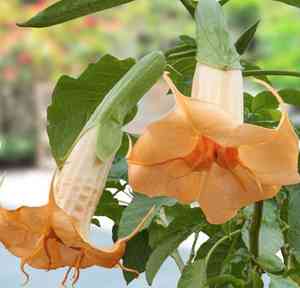
The ideal window for relocating angel's trumpet spans from the end of spring to the beginning of autumn, as these months provide favorable conditions for growth. Select a site featuring soil that drains effectively and receives either partial or complete sunlight. Bear in mind that a delicate approach is crucial when managing angel's trumpet during its re-establishment.
What Preparations are Needed Before Transplanting Angel's Trumpet?
What is the Ideal Time for Transplanting Angel's Trumpet?
The optimal period to relocate angel's trumpet is from early summer to the beginning of autumn. This timing is advantageous as it allows angel's trumpet to develop a robust root system in the warm soil prior to winter's chill.
How Much Space Should You Leave Between Angel's Trumpet Plants?
When moving angel's trumpet, position the plants approximately 5-10 feet (1.5-3 meters) apart. This provides ample room for growth and development without competition for nutrients and light.
What is the Best Soil Mix for Angel's Trumpet Transplanting?
For angel's trumpet, prepare soil that drains well, using a rich, loamy blend. Incorporate a foundational fertilizer, such as well-decomposed compost or aged manure, to supply nutrients and enhance soil structure.
Where Should You Relocate Your Angel's Trumpet?
Select a sunny location for transplanting angel's trumpet, as these plants thrive in full sun with some afternoon shade. However, a bright spot with filtered sunlight would also be suitable.
What Equipments Should You Prepare Before Transplantation Angel's Trumpet?
Gardening Gloves
To safeguard your hands while handling the plant, which possesses sharp components and can cause skin irritation.
Shovel or Spade
For excavating the plant from its current spot and digging a new hole for relocation.
Pruning Shears
To remove any dead or diseased sections of the angel's trumpet before moving it.
Watering Can
To hydrate the plant both before and after the transplanting process.
Wheelbarrow or Plant Dolly
To move the angel's trumpet from its original site to the new planting location.
Garden Trowel
For more precise planting and final adjustments.
Bucket or Tub
To immerse the angel's trumpet plant before transplanting, if it is root-bound.
Organic Mulch
To aid in moisture retention and regulate soil temperature once the plant has been moved.
How Do You Remove Angel's Trumpet from the Soil?
How Do You Remove Angel's Trumpet from the Soil?
From Ground: Before extracting the angel's trumpet plant from the ground, ensure it is watered to moisten the soil. This action loosens the soil, making it easier to work with. Using a shovel, dig a wide trench around the plant, being careful not to damage the root ball. Gently lift the plant from the soil, preserving as much root and soil as possible.From Pot: If the plant is in a container, water it thoroughly and tip the pot sideways. Lightly tap the pot's sides and bottom to dislodge the plant. If it's too snug, you might use a knife to cut along the pot's interior edges. Pull the plant out by its base, taking care not to tug on the stems.From Seedling Tray: For seedlings, first dampen the soil. Then, press your fingers to the tray's bottom, beneath the seedling, and push it upward. Carefully hold the seedling by its cotyledons or 'seed leaves', as these can sustain some damage without hindering the plant's growth.
Step-by-Step Guide for Transplanting Angel's Trumpet
Preparation
Submerge angel's trumpet in a bucket or tub of water if its roots were tightly packed in the pot. You can also give the plant a good drink if it was in the ground or a seedling tray.
Hole-Digging
Excavate a hole in the new spot that is twice the width and equivalent in depth to the root ball of the angel's trumpet. The top of the plant's root ball should be level with the surrounding ground.
Planting
Position the angel's trumpet in the hole and backfill it with soil. Gently firm the soil around the plant's base.
Watering
Using a watering can, gently irrigate the plant. This helps the soil settle around the roots. Avoid water accumulation around the stem.
Mulching
Apply a layer of organic mulch around the plant, leaving a space around the stem. This practice aids in retaining moisture and preventing weed growth.
How Do You Care For Angel's Trumpet After Transplanting?
Watering
Consistent watering of angel's trumpet is vital post-transplantation. For the initial few weeks, the soil should remain consistently moist, but never waterlogged. Check soil moisture at least twice weekly.
Trimming
In the weeks following transplantation, observe the angel's trumpet plant for any signs of stress. If you notice any yellow or withered leaves, remove them to help the plant recover its vigor.
Monitoring
Keep a close watch on the plant for disease and pest issues. Address any signs promptly and appropriately.
Re-Mulching
Replenishing the mulch layer may be necessary with seasonal changes. It provides a protective barrier against harsh weather and maintains essential moisture balance.
Acclimation
Understand that angel's trumpet may require some time to adapt to its new environment, so slow initial growth is acceptable!
Troubleshooting Common Issues with Angel's Trumpet Transplantation.
When is the best time to transplant angel's trumpet?
The optimal period for relocating angel's trumpet is from early summer to the beginning of autumn. This allows the plant sufficient time to adjust before winter.
What's the ideal distance to maintain between angel's trumpet while transplanting?
Allowing angel's trumpet approximately 5-10 feet (1.5-3m) of space between them provides ample room for growth without resource competition. They will benefit from this!
What kind of soil is best for transplanting angel's trumpet?
Angel's trumpet prefers soil that drains well. If your soil is too dense, consider incorporating some peat moss or perlite to enhance drainage.
Could you guide me on how deep to plant angel's trumpet when I'm transplanting?
Certainly! Dig a hole that is as deep as the root ball of your angel's trumpet, and twice its width. This will provide your plant with adequate space to expand.
What should I do if the leaves of my transplanted angel's trumpet are dropping?
Don't be alarmed! Leaf shedding in angel's trumpet can be a normal response to a significant change in location. Just ensure it is well-watered after the move.
Which are the crucial steps to prep my angel's trumpet for transplantation?
Begin by thoroughly watering angel's trumpet a day prior. Then carefully unearth it, preserving as much of the root system as possible. Trim any decayed roots and prepare the new planting hole.
How much sunlight does my newly transplanted angel's trumpet need?
A location with full sunlight or partial shade is ideal! Excessive sunlight might stress your freshly transplanted angel's trumpet, and we want to avoid that!
How often should I water my angel's trumpet after transplanting?
Initially, water it generously to help the roots settle. Afterward, water it slightly less but frequently, as this helps keep the roots moist. Do not let it dry out!
Why is my newly transplanted angel's trumpet not flowering?
Angel's trumpet may require time to adjust post-transplant before it begins to bloom. Ensure it receives appropriate sunlight, water, and nutrients. Patience, my friend!
What should I do if the transplanted angel's trumpet looks overall unhealthy?
If your angel's trumpet appears unwell after transplanting, ensure it is well-watered and check the soil. If the issue persists, consider consulting a local nursery.



