How to Transplant Tapa cloth tree?
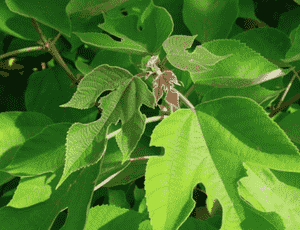
Select the spring season for relocating your tapa cloth tree, guaranteeing its vigorous development. Pick a location that receives partial sunlight and has soil that drains effectively, then carefully assist its root system in adjusting to the fresh environment for flourishing health.
What Preparations are Needed Before Transplanting Tapa Cloth Tree?
What is the Ideal Time for Transplanting Tapa Cloth Tree?
For tapa cloth tree, the optimal period for relocation is the spring season. This time, characterized by mild temperatures and ample precipitation, promotes root development and establishment. Moving tapa cloth tree during this window enhances recovery, reduces stress, and aligns with their natural growth cycle for healthier, more vigorous development.
How Much Space Should You Leave Between Tapa Cloth Tree Plants?
When relocating your tapa cloth tree, ensure sufficient spacing. Ideally, they should be positioned 20-25 feet (6-7.5 meters) apart. This allows ample room for the plants to mature and thrive without competing for nutrients and sunlight. Your tapa cloth tree will benefit from this breathing room!
What is the Best Soil Mix for Tapa Cloth Tree Transplanting?
The tapa cloth tree flourishes best in well-drained, fertile soil. Prepare a foundational fertilizer of organic compost or aged manure to enrich the soil and supply vital nutrients. Remember, proper soil preparation will ensure a healthy tapa cloth tree!
Where Should You Relocate Your Tapa Cloth Tree?
When selecting a site for your tapa cloth tree, seek a location that receives full to partial sunlight. The tapa cloth tree will appreciate a bright, sunny spot in your garden. Ensure the sunlight isn't too intense, however; partial shade is also suitable!
What Equipments Should You Prepare Before Transplantation Tapa Cloth Tree?
Gardening Gloves
To safeguard your hands while handling soil and tapa cloth tree.
A Shovel or Spade
To carefully excavate the plant from its current position.
Pruning Shears
To trim any damaged or excessively long roots.
Trowel
To create the transplant hole in the new location.
Watering Can
To keep the root ball moist during transplant and to hydrate the plant after relocation.
Mulch
To cover the soil around the plant post-transplant, aiding in moisture retention and weed suppression.
Stakes and Ties
To support the plant if tapa cloth tree is large or situated in an exposed area.
How Do You Remove Tapa Cloth Tree from the Soil?
How Do You Remove Tapa Cloth Tree from the Soil?
From Ground: Begin by moistening the soil around the tapa cloth tree to facilitate digging. Using your shovel or spade, carefully excavate a wide circle around the plant, taking care not to sever the root ball. Gradually work your shovel beneath the root ball and lift the plant with as many roots intact as possible.From Pot: Water the tapa cloth tree thoroughly, then tilt the pot on its side and gently pull on the base of the plant. If it doesn't slide out easily, you may need to tap the sides of the pot to loosen the root ball. Be careful not to harm the roots during this process.From Seedling Tray: Water the seedling tray and then gently grasp the tapa cloth tree at its base. Pull carefully, aiming to keep the root ball and surrounding soil as intact as possible. If the seedling is resistant, use a small trowel or spoon to help ease it out from below.
Step-by-Step Guide for Transplanting Tapa Cloth Tree
Preparation
Gently trim any damaged or overly long roots from the tapa cloth tree using your pruning shears. Do not remove more than one-third of the root system.
Digging
With the trowel, excavate a hole in the new location that is as deep as the root ball and twice its width.
Planting
Position the tapa cloth tree into the hole, ensuring it is upright and at the same depth as before. Backfill the hole with the excavated soil, avoiding compacting it too tightly around the root ball.
Watering
Thoroughly water the transplant site with the watering can, until the water begins to pool on the surface.
Mulching
Once the water has drained, cover the soil around the tapa cloth tree with a thick layer of mulch. You can use bark chips, shredded bark, or compost.
Staking
If necessary, erect a stake next to the tapa cloth tree and loosely tie it to the stake for support.
How Do You Care For Tapa Cloth Tree After Transplanting?
Watering
For the initial few weeks, keep the soil consistently moist but not waterlogged to help the tapa cloth tree develop strong roots.
Mulch
Replenish the mulch around the plant as needed to aid in moisture retention and inhibit weed growth.
Staking
Regularly check the stake to ensure it remains secure. Also, inspect the tie to confirm it isn't too tight and adjust as necessary.
Pruning
Avoid heavy pruning of the tapa cloth tree in the first year after transplanting. This allows it to prioritize root production. However, you can remove any dead or damaged branches.
Monitor
Keep a close watch on the tapa cloth tree, especially in the initial days and weeks. If it exhibits signs of stress such as wilting or yellowing leaves, it may require more water or a shaded spot.
Troubleshooting Common Issues with Tapa Cloth Tree Transplantation.
What's a good time of the year for transplanting tapa cloth tree?
The prime period to relocate tapa cloth tree is from early spring to early summer. The plant will then have ample time to adapt before winter.
How far apart should tapa cloth tree be planted when transplanting?
To allow tapa cloth tree to grow optimally, maintain a spacing of approximately 20-25 feet (6-7.6 meters) between each plant.
Do I need to water tapa cloth tree immediately after transplanting?
Absolutely! Thoroughly water your tapa cloth tree after transplanting. This aids in its establishment in its new location, promoting healthy root development.
Is there a specific type of soil that benefits tapa cloth tree during transplanting?
Tapa cloth tree prefers well-draining soil. While it tolerates various soil types, you can optimize growth by incorporating compost or organic matter during transplanting.
Should the hole for transplanting tapa cloth tree be deep?
Make the hole for tapa cloth tree about twice the width of the root ball and equally deep. This provides sufficient space for roots to spread and grow.
How much sun exposure would benefit tapa cloth tree after being transplanted?
Newly transplanted tapa cloth tree thrives in partial to full sun. However, during the first few weeks post-transplant, some shade can reduce potential sun stress.
What to do if my transplanted tapa cloth tree shows wilting signs?
If your tapa cloth tree wilts, it might be experiencing transplant shock. Keep it adequately watered, ensure proper sun exposure, and nourish it with organic matter.
How often should we water tapa cloth tree post-transplant?
Initially, water tapa cloth tree daily or every other day. Once established, watering once a week is typically sufficient, depending on weather conditions.
What care does tapa cloth tree need during the initial weeks after transplantation?
After transplantation, tapa cloth tree requires consistent watering and gentle care. Protect it from extreme weather, and feed with diluted liquid fertilizer to encourage root growth.
Can I transplant tapa cloth tree in a pot?
You can, but remember tapa cloth tree grows large, so choose a pot of at least 20 inches (50cm) in diameter and ensure it has good drainage.



