How to Transplant Cabbage?
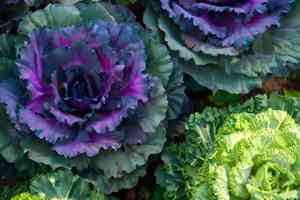
The ideal period for relocating cabbage plants is from mid to late spring, since elevated temperatures facilitate robust root development. Select a site featuring rich, adequately draining soil and ample sunlight. Exercise caution during the transplanting process, given that cabbage can be susceptible to root disruption.
What Preparations are Needed Before Transplanting Cabbage?
What is the Ideal Time for Transplanting Cabbage?
Relocating cabbage during the pleasant mid to late spring season is optimal, as it fosters robust growth and development. This ensures a plentiful harvest and healthier specimens. So, let's embark on a thriving gardening journey together!
How Much Space Should You Leave Between Cabbage Plants?
When moving your cabbage, it's crucial to provide ample room for their growth. A separation of 1-3 feet (30-90 cm) between plants is perfect, allowing them to expand their root systems and flourish.
What is the Best Soil Mix for Cabbage Transplanting?
To ready the soil for your cabbage, incorporate organic matter such as well-decomposed compost or aged manure to create rich, well-draining earth. A balanced, slow-release fertilizer is best to supply essential nutrients for the plant's development.
Where Should You Relocate Your Cabbage?
Your cabbage will thrive in a spot with full sun to partial shade. Ensure it receives at least 6 hours of sunlight daily. Rotate the planting area every 2-4 years to minimize the risk of disease and pests.
What Equipments Should You Prepare Before Transplantation Cabbage?
Gardening Gloves
To safeguard your hands while handling soil and plants.
Trowel
To excavate holes for relocating seedlings.
Shovel or Spade
To dig broader trenches if moving larger cabbage plants from the ground.
Watering Can or Hose
To hydrate the plants during and after relocation.
Mulch
To aid in retaining soil moisture and suppressing weeds post-transplant.
How Do You Remove Cabbage from the Soil?
How Do You Remove Cabbage from the Soil?
- From Ground:First, irrigate the cabbage plant to moisten the soil. Then, excavate a wide trench around the plant using a shovel or spade, ensuring the plant's root ball remains intact. Carefully work the spade beneath the root ball to lift the plant from its original position.- From Pot:If your cabbage plant is in a container, water the plant to dampen the soil. Turn the pot on its side and gently slide the plant out, keeping the root ball whole. If the plant is stuck, carefully use a trowel to help ease the root ball from the pot.- From Seedling Tray:For relocating cabbage seedlings, first water the tray to moisten the soil. Gently use a small trowel or your fingers to lift the seedling from its cell, keeping the roots and surrounding soil intact.
Step-by-Step Guide for Transplanting Cabbage
Site Selection
Choose a location with adequate sunlight and room for your cabbage plant to reach its mature size.
Soil Preparation
Prepare the soil in the transplanting area by loosening it and incorporating compost or organic matter to enhance drainage and fertility (if necessary).
Digging Holes
Excavate a hole for each cabbage plant that is slightly larger and deeper than its root ball. For seedlings, dig holes that are slightly larger and deeper than the size of the seedling cell.
Plant Spacing
Space cabbage plants according to their recommended separation to ensure they have sufficient room to grow and spread.
Placing the Plant
Carefully position the cabbage plant in the hole, ensuring the top of the root ball or seedling cell soil is level with the surrounding earth. Gently backfill the hole with soil, using your hands or a trowel to avoid harming the plant.
Watering
Gently water the newly relocated cabbage plant, ensuring the soil is moist but not saturated.
Mulching
Apply a layer of mulch around the base of the cabbage plant to help retain moisture and inhibit weeds.
How Do You Care For Cabbage After Transplanting?
Watering
Keep the soil around the cabbage consistently damp, but not waterlogged, for the initial few weeks post-transplant to aid in establishing strong roots.
Fertilizer
Adhere to recommended fertilization schedules for cabbage plants, utilizing an appropriate fertilizer for optimal development.
Pest Management
Regularly inspect the cabbage plants for indications of pests and employ suitable pest control methods, such as organic or chemical treatments, if required.
Pruning
Trim your cabbage plant as needed to maintain its form and encourage healthy growth.
Monitoring Growth
Observe your cabbage plants and make any necessary adjustments to their care as they grow and settle into their new location.
Troubleshooting Common Issues with Cabbage Transplantation.
When is the ideal time to transplant cabbage?
The perfect period to relocate cabbage is between mid to late spring, as it flourishes in cooler temperatures.
What is the optimal spacing for transplanting cabbage?
Ideally, separate cabbage plants 1-3 feet (30-90 cm) apart to promote healthy growth and air circulation.
How deep should I plant cabbage when transplanting?
When relocating cabbage, plant them at the same depth as their original growing container.
How do I prepare the soil for transplanting cabbage?
Ensure the soil is well-draining and fertile; you can add compost or well-rotted manure to enrich it.
How should I water cabbage after transplanting?
Water thoroughly after relocating, then keep the soil consistently moist but not waterlogged.
What type of sunlight exposure does cabbage need after transplanting?
Cabbage prefers full sun to partial shade, ensure it receives at least 6 hours of sunlight daily.
How can I protect my transplanted cabbage from pests?
Utilize insect-repelling plants, row covers, or diatomaceous earth as preventive measures against pests.
What are symptoms of transplant shock in cabbage?
Transplant shock symptoms include wilting, yellowing foliage, and stunted growth. Provide consistent care to aid recovery.
Should I fertilize cabbage after transplanting?
Yes. Apply a balanced, slow-release fertilizer after relocating and follow package instructions for application rates.
When can I expect to harvest cabbage after transplanting?
Depending on the variety, cabbage is generally ready for harvest within 80-180 days after relocation.



