How to Transplant Black mustard?
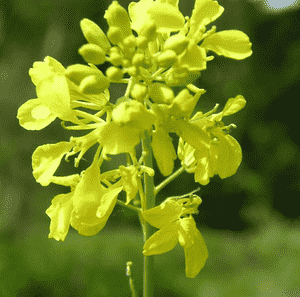
Black mustard flourishes most effectively after being relocated during the beginning of spring, preferring a site with abundant light and soil that drains efficiently. Despite its resilience, black mustard benefits from periodic application of mulch to preserve hydration.
What Preparations are Needed Before Transplanting Black Mustard?
What is the Ideal Time for Transplanting Black Mustard?
The arrival of mild, revitalizing weather from late winter to early spring offers optimal conditions for moving black mustard. Relocating black mustard as the ground thaws and becomes manageable promotes vigorous development. This timing allows black mustard to become established, benefiting from longer days and moderate temperatures. Such a timely transfer ensures the plants can maximize their growing season, leading to an abundant yield.
How Much Space Should You Leave Between Black Mustard Plants?
Prepare your garden for black mustard! When transplanting, position your plants approximately 1-2 feet (30-60 cm) apart. This provides them with ample room to grow and thrive without becoming overly crowded.
What is the Best Soil Mix for Black Mustard Transplanting?
The black mustard plant would appreciate well-drained soil enriched with a foundational layer of fertilizer. This will provide the plants with a healthy start and abundant nutrients for their growth journey. Remember to mix it thoroughly!
Where Should You Relocate Your Black Mustard?
The perfect location for black mustard is an area with full sun exposure. They enjoy absorbing sunlight, so a sunny corner of your garden will greatly benefit them. Get ready to see your black mustard flourish!
What Equipments Should You Prepare Before Transplantation Black Mustard?
Gardening Gloves
To safeguard your hands from dirt and potential cuts or abrasions while handling the black mustard plant.
Trowel
To assist with digging and shifting soil without causing significant harm to the plant.
Spade or Shovel
To be used when transplanting larger plants or those originating from the ground.
Watering Can
To hydrate the plant both before and after its relocation.
Measuring Tape
To ensure the correct planting distance and appropriate depth for placement.
Wheelbarrow or Cart
To transport the plant if it is large or cannot be carried by hand.
How Do You Remove Black Mustard from the Soil?
How Do You Remove Black Mustard from the Soil?
From Ground: First, moisten the black mustard plant's soil to make removal easier. Use a spade or shovel to dig around the plant, ensuring a wide enough perimeter to avoid root damage. Once sufficiently deep, carefully lift the plant to keep the rootball as intact as possible. From Pot: Water the black mustard plant to dampen the soil. Then, gently tip the pot on its side and carefully ease the plant out. If it resists, you may need to tap the pot's bottom to loosen it. From Seedling Tray: First, water the tray to moisten the soil. This facilitates easier removal and keeps the rootball together. Gently hold the stem of the black mustard plant, and with your other hand, push up from the base of the cell or pot to lift the plant out. Handle by the rootball, not the stem or leaves.
Step-by-Step Guide for Transplanting Black Mustard
Preparation
Clear the planting area of any unwanted plants or debris. Use a spade or trowel to excavate a hole that matches the depth of the black mustard's root ball and is twice its width.
Placement
Position the black mustard in the hole, ensuring it stands upright. The top of the rootball should be level with the surrounding soil surface.
Backfill
Refill the hole with the excavated soil, gently patting it around the base of the black mustard to eliminate any air pockets.
Watering
After the black mustard has been placed in the hole, fill the hole with water. Once the water has drained, fill in the remaining soil.
Final Touches
Once you've refilled the hole, thoroughly water the black mustard to settle the soil around its roots. Avoid compacting the soil with your foot or a tool, as this can hinder root growth.
How Do You Care For Black Mustard After Transplanting?
Regular Care
Water the black mustard consistently, especially during dry spells. The soil should remain damp, but not waterlogged.
Watch Out for Stress Signs
The black mustard plant might exhibit signs of transplant shock, such as yellowing leaves or wilting, which are normal post-transplant. However, if these symptoms persist beyond a week, consider consulting a local garden center.
Disease and Pest Control
Periodically inspect the black mustard plant for indications of pests or diseases, and address them as necessary.
Troubleshooting Common Issues with Black Mustard Transplantation.
When is the best time to transplant black mustard seedlings?
Timing is critical. The optimal period for transplanting black mustard is in season S1 when the plant has a better chance of survival and growth.
What is the ideal spacing when transplanting black mustard?
Once your black mustard seedlings are ready for transplantation, place them 1-2 feet (30-60 cm) apart. This allows plenty of room for growth and better air circulation.
Why are my transplanted black mustard plants wilting?
Wilting after transplantation can be due to poor root development or transplanting shock. Water your black mustard more frequently and avoid excessive sunlight for a couple of days.
How deep should I dig the hole for transplanting black mustard?
Excavate a hole that is sufficiently deep and wide to accommodate the root ball of your black mustard. The roots should be fully covered, but not too deep to prevent rot.
Why are my transplanted black mustard not growing?
Insufficient water, nutrient deficiency, or incorrect planting depth could be reasons. Ensure your black mustard is well-watered, fed with a balanced fertilizer and planted at the correct depth.
How often should I water my newly transplanted black mustard?
You should keep the soil consistently moist but not overly wet. Watering frequency depends on your climate, but do so at least twice a week for the first few weeks.
Should I add fertilizer when transplanting black mustard?
Yes, a balanced slow-release fertilizer can help black mustard establish better. But be careful not to over-fertilize as it could cause root burn.
What type of soil is suitable for transplanting black mustard?
Black mustard prefers well-drained, fertile soil with a pH between 6.0 and 7.5. If in doubt, you can perform a soil test for precise nutrient and pH levels.
What should I do if my transplanted black mustard gets infested with pests?
Introduce natural predators or use organic pesticides. Always monitor your plants closely for early detection and prevention of further infestation.
Can I transplant black mustard into a pot?
Definitely! Just ensure the pot has sufficient depth for root growth and adequate drainage holes. Still adhere to the 1-2 feet (30-60 cm) spacing rule for best results.



