How to Transplant Cricket orchid?
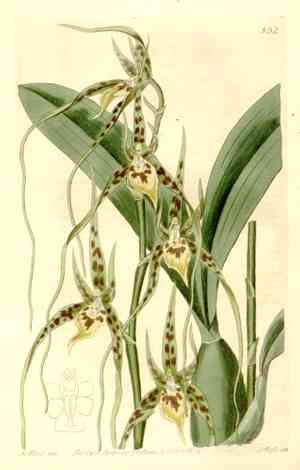
Cricket orchid flourishes when relocated during the gentle warmth of late summer through mid-autumn, allowing it to establish roots firmly before the cold season. Select a luminous, moist environment with ample air movement to mimic its native surroundings.
Essential Preparations Before Relocating Cricket Orchid
Optimal Timing for Cricket Orchid Relocation?
The best period to move cricket orchid is from late summer to early autumn. This timeframe allows the plant to develop its root system in cooler, yet still warm ground before winter arrives. Moving cricket orchid at this point minimizes stress and maximizes its growth potential for the subsequent season.
Recommended Spacing Between Cricket Orchid Plants?
For cricket orchid, maintain a distance of 12-18 inches (30-45 cm) between individual plants. This spacing promotes sufficient growth and air circulation, contributing to the health and vitality of your cricket orchid.
Ideal Soil Mixture for Cricket Orchid Relocation?
Utilize a well-draining substrate, such as orchid bark or a blend of sphagnum moss and perlite for your cricket orchid. Incorporating a phosphorus-rich base fertilizer will aid in rapid root establishment. Ensure you select a balanced fertilizer specifically formulated for orchids.
Choosing a New Location for Your Cricket Orchid?
When selecting a site for cricket orchid, ensure it receives filtered sunlight. An area with dappled light throughout the day or near a window with a sheer curtain would be perfect. Steer clear of direct, intense sunlight to prevent leaf scorching.
Equipment Needed Before Transplanting Cricket Orchid
Gardening Gloves
To safeguard your hands while handling soil and cricket orchid.
Spade or Shovel
For excavating around the root ball when extracting the plant from the ground or a large container.
Hand Trowel
For smaller digging tasks and creating holes in the new planting location.
Watering Can or Hose
For hydrating the plant before and after its relocation.
Pruning Shears
For trimming any impaired or lifeless roots or foliage.
Wheelbarrow or Bucket
To transport the plant and soil if necessary.
Soil Moisture Meter
Optional, for checking the soil's moisture level before and after the move.
Method for Extracting Cricket Orchid from the Soil
Method for Extracting Cricket Orchid from the Soil?
From Ground: First, moisten the soil surrounding cricket orchid to facilitate digging. Use a spade or shovel to excavate a wide trench around the plant, keeping the root ball intact. Carefully slide the tool beneath the root ball to lift cricket orchid from the ground. Place the plant on a tarp or in a wheelbarrow for transportation.From Pot: Gently water the pot to loosen the soil. Tilt the pot sideways, and tap its sides to help release cricket orchid. Use your hands to carefully slide the plant out, ensuring the root ball remains intact. If the plant is root-bound, gently untangle the roots.From Seedling Tray: Water the seedlings to soften the soil. Use a hand trowel or your fingers to carefully lift each seedling, supporting the root ball. Handle with care to avoid damaging the delicate roots.
Detailed Steps for Transplanting Cricket Orchid
Site Preparation
Prepare the new planting location by digging a hole that is twice as wide and slightly deeper than the root ball of cricket orchid. Loosen the soil at the base of the hole.
Plant Placement
Position cricket orchid into the hole, ensuring the top of the root ball is level with the surrounding soil. Backfill the hole around the root ball with the excavated soil, gently pressing it down to remove air pockets.
Watering
Thoroughly water the area around the plant. This aids in settling the soil around the roots and provides essential moisture for the plant to establish itself.
Mulching
Apply a layer of mulch around the base of cricket orchid, keeping it a few inches away from the stem. This helps maintain soil moisture and regulate temperature.
Post-Transplant Care for Cricket Orchid
Watering
Maintain consistently moist, but not waterlogged, soil around cricket orchid for the initial weeks after transplanting to encourage strong root development.
Monitoring
Observe for indications of transplant shock, such as wilting or yellowing foliage. If noticed, ensure the plant receives adequate water and shade as needed.
Fertilizing
Refrain from fertilizing immediately after transplanting. Wait a few weeks, then apply a balanced fertilizer to stimulate growth.
Pruning
Remove any damaged or diseased portions of cricket orchid to help the plant prioritize root establishment.
Resolving Common Issues with Cricket Orchid Transplantation.
When is the best time to transplant cricket orchid?
Transplant cricket orchid in late summer, early fall, or mid fall for optimal growth.
How much spacing should I leave between transplants?
Ensure a spacing of 12-18 inches (30-45 cm) between each cricket orchid for healthy growth.
What should I do if the roots seem tangled?
Gently tease apart tangled roots before transplanting cricket orchid to encourage better establishment.
How deep should I plant cricket orchid?
Plant cricket orchid at the same depth as it was in its previous pot to avoid stress.
What type of soil is ideal for cricket orchid?
Use well-draining, fertile soil that retains moisture but doesn't stay waterlogged for cricket orchid.
Should I water cricket orchid immediately after transplanting?
Yes, thoroughly water cricket orchid immediately after transplanting to help settle the soil and reduce shock.
How can I protect cricket orchid from transplant shock?
Water well, avoid nutrient-rich fertilizers initially, and provide partial shade to reduce transplant shock.
Can cricket orchid be transplanted in full sun?
Gradually acclimate cricket orchid to full sun if necessary, but partial shade is generally preferred.
What should I do if cricket orchid wilts after transplanting?
Keep the soil consistently moist and provide indirect light to help cricket orchid recover from wilting.
Do I need to prune cricket orchid before transplanting?
Remove any damaged or yellowing leaves before transplanting cricket orchid to promote healthier growth.



