How to Transplant Blue Grama?
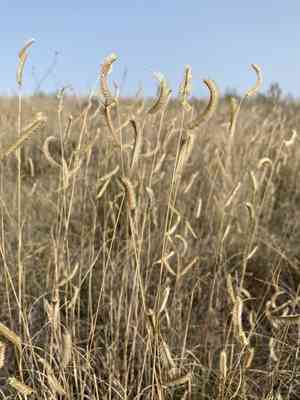
The most favorable period for transplanting blue Grama is mid-spring, which guarantees vigorous development. Select a location bathed in sunlight with soil that drains effectively. Carefully loosen the adjacent soil during the transfer to facilitate root proliferation.
Essential Preparations Before Relocating Blue Grama
Optimal Timing for Blue Grama Relocation?
The best period for moving blue Grama is during the peak of spring, specifically mid to late season. This timeframe provides mild temperatures and ideal soil conditions, vital for root establishment and development. Transplanting blue Grama within this window maximizes success, allowing the root system to strengthen before the summer heat. It's a strategic decision that promises a lush, vigorous stand of blue Grama as the seasons advance.
Recommended Spacing Between Blue Grama Plants?
When relocating blue Grama, aim to position each plant approximately 1-2 feet (30-60 cm) apart. This spacing promotes superior growth and development, while also providing ample room for its roots to spread.
Ideal Soil Mixture for Blue Grama Transplanting?
Prepare a soil blend that ensures good drainage for blue Grama. Clay, loam, or sandy soil types are suitable. Incorporate a light application of base fertilizer to enrich the soil and enhance the plant's vitality.
Selecting a New Site for Your Blue Grama?
Choose a location that will provide blue Grama with abundant sunlight. This plant flourishes in direct sun, so a garden spot that receives sunlight for most of the day would be perfect.
Equipment Needed Before Transplanting Blue Grama
Gardening Gloves
To safeguard your hands while handling the soil and blue Grama.
Shovel or Spade
For digging the soil when extracting blue Grama from its original spot and for creating planting holes in the new location.
Gardening Fork
To assist in lifting blue Grama with extensive root systems without causing damage.
Pruning Shears
To trim away any damaged or dead roots or foliage of blue Grama prior to transplanting.
Watering Can
To irrigate the blue Grama during and after the transplanting process.
Wheelbarrow
To transport the blue Grama from its initial position to the new site.
Mulch
To retain moisture after relocating blue Grama.
How to Extract Blue Grama from the Soil?
How to Extract Blue Grama from the Soil?
From Ground: Start by thoroughly watering blue Grama a day before the transplant to minimize stress. Use a shovel or spade to dig a trench around the blue Grama. The trench should be wide enough to encompass all roots, typically about a foot deep. Carefully slide the shovel beneath the root ball and lift blue Grama from the ground.From Pot: Gently tip the pot sideways, supporting blue Grama at the base of the stems with your other hand. Apply slight pressure to the bottom of the pot so that blue Grama slides out. If this doesn't work, you can also tap the pot's rim onto a hard surface.From Seedling Tray: Hold blue Grama by the stem, then gently push up from the bottom or tilt the tray to allow gravity to assist. Be careful not to pull it out forcefully, as this may harm the roots.
Step-by-Step Guide for Relocating Blue Grama
Inspection
Once blue Grama is removed, examine its roots. If you find any damaged or circling roots, you should trim them with pruning shears.
Digging Hole
At the new site, dig a hole that is twice the width of the root ball and of equal depth. The top of the blue Grama root ball should be level with or slightly above the surrounding soil.
Placement
Position blue Grama in the hole. Spread the roots out within the hole and ensure it's not planted too deeply.
Filling Hole
Backfill the hole with native soil or a mixture of native soil and compost. Be sure to lightly compact the soil to eliminate any air pockets.
Watering
After transplanting, thoroughly water blue Grama to settle the soil and aid in its establishment at the new location.
Mulching
Apply mulch around blue Grama, but avoid direct contact with the stems to prevent rot.
Post-Transplant Care for Blue Grama
Watering
Aim to keep the newly transplanted blue Grama moist, but not waterlogged. This helps blue Grama develop a strong root system.
Pruning
If blue Grama is an older plant and shows signs of stress, such as wilting or browning leaves, consider light pruning to reduce its water and nutrient demands.
Checking
Monitor blue Grama over the next few weeks for any indications of transplant shock, such as yellowing leaves or leaf drop.
Protection
Initially, it might be beneficial to provide blue Grama with some shade protection until it adapts to its new environment.
Addressing Common Issues During Blue Grama Transplantation.
When is the optimal time to transplant blue Grama?
The best period to transplant blue Grama is between late spring and early summer, ideally referred to as S2-S3.
What is the recommended distance between blue Grama plants?
For healthy growth, maintain a spacing of 1-2 feet (30-60 cm) between each blue Grama plant.
Why is my transplanted blue Grama not thriving as expected?
This could be due to improper spacing or planting season. Ensure you're transplanting blue Grama in late spring to early summer and maintain 1-2 feet (30-60 cm) between plants.
What is the correct depth for transplanting blue Grama?
The root ball of blue Grama should be planted at the same depth as it was in its original container. This ensures optimal growth.
What care does blue Grama need after transplantation?
Blue Grama requires minimal care post-transplant. Just ensure it receives ample sunlight and water it regularly, especially in dry conditions.
What should I do if blue Grama shows signs of wilting after transplantation?
Wilting after transplant may indicate transplant shock. Providing extra care, such as gentle watering and adding compost, could be beneficial.
What soil type does blue Grama prefer?
Blue Grama thrives in well-drained soils. However, it can tolerate various soil types. Just ensure the soil isn't consistently soggy, which can lead to root rot.
Does blue Grama require special fertilizers after transplantation?
Generally, blue Grama doesn't need much fertilization. However, incorporating compost or natural organic matter into the soil at planting time can be advantageous.
Is there a specific method for watering blue Grama post-transplant?
Watering blue Grama should be done moderately. Over-watering or insufficient watering could harm the plant. Ideally, keep the soil moist, not waterlogged.
Can I transplant blue Grama during winter?
It's not advisable to transplant blue Grama during winter. The plant thrives best when transplanted between late spring and early summer (S2-S3).



