How to Transplant Buffalo grass?
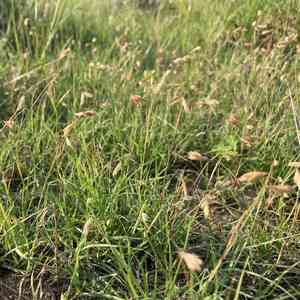
Relocate buffalo grass during the warmer period of late spring to early summer to facilitate root development. Select bright areas featuring soil that drains effectively. Provide ample room for expansion, encouraging a dense, resilient lawn.
Essential Preparations Before Relocating Buffalo Grass
Optimal Period for Transplanting Buffalo Grass
The prime time for establishing buffalo grass in your garden is during the transition from late spring to early summer. This timeframe provides an ideal balance of warm soil and milder temperatures, promoting root development without the stress of intense midsummer heat. Moving buffalo grass at this point ensures its roots have ample opportunity to strengthen before winter's cold. By selecting this strategic timing, you give buffalo grass a significant advantage, encouraging robust growth and a smoother acclimation process.
Recommended Spacing Between Buffalo Grass Plants During Transplant
When relocating buffalo grass, aim for a spacing of approximately 12-16 inches (30-40 cm) between each plant. This provides sufficient room for them to expand and thrive.
Ideal Soil Mixture for Buffalo Grass Transplanting
Buffalo grass requires well-drained, loamy, or sandy soil. A foundational fertilizer, such as a balanced nitrogen, phosphorus, and potassium (N-P-K) blend, will benefit buffalo grass significantly.
Selecting the New Location for Your Buffalo Grass
Your buffalo grass thrives in sunlight! Therefore, a sunny spot receiving at least 6 hours of direct sun daily would be perfectly suited for them.
Equipment Needed for Buffalo Grass Transplantation
Gardening Gloves
To safeguard your hands while handling soil and plants.
Spade
A compact hand tool for excavating holes for transplanting. Excellent for managing small and delicate root systems of buffalo grass.
Watering Can
For hydrating the buffalo grass plant both prior to and following transplantation.
Garden Trowel
Essential for transplanting your buffalo grass, as it allows for precise placement.
Garden Pruners
For trimming any excess growth from buffalo grass during the transplanting process.
Wheelbarrow
Useful for transporting substantial quantities of soil or larger plants across your garden.
Method for Removing Buffalo Grass from the Soil
Method for Removing Buffalo Grass from the Soil
From Ground: First, moisten the buffalo grass plant to soften the soil. Next, use a spade to dig a wide circle around the plant, ensuring the plant's roots remain intact. Gently lift the plant upward, taking care to minimize damage to the root structure when extracting it from its original spot. From Pot: Initially, water the buffalo grass plant. Then, turn the pot on its side and tap along its perimeter to loosen the soil. Carefully ease the plant out of the pot, being cautious not to harm the roots. From Seedling Tray: Water the buffalo grass seedlings first, then carefully transplant each buffalo grass seedling using a small trowel or even a spoon. Be mindful not to damage the seedling's root system during this process.
Step-by-Step Guide for Transplanting Buffalo Grass
Preparation
Ensure all your tools are readily accessible and prepared for use.
Initial Watering
Water the buffalo grass plant in its current location. This facilitates removal and reduces shock during relocation.
Plant Removal
Carefully extract buffalo grass from its original spot, taking care not to harm the root system.
Prepare The New Hole
Dig a hole twice the width of the rootball in the chosen new location.
Transplant
Gently place buffalo grass into the new hole, ensuring it is level with the ground. Backfill the hole and lightly compact the soil around the plant.
Settling in
Thoroughly water buffalo grass at its base immediately after transplantation. This aids in soil settlement and minimizes air pockets around the roots.
Post-Transplant Care for Buffalo Grass
Watering
Water buffalo grass generously for several weeks after transplanting to encourage robust root development.
Pruning
Remove any parts of buffalo grass that sustained damage during transplant to stimulate new growth.
Monitoring
Regularly inspect buffalo grass for indications of stress or disease and address them promptly.
Protection
If weather conditions become extremely hot or cold, provide buffalo grass with some protection using shade cloths or plant covers.
Addressing Common Issues with Buffalo Grass Transplantation
What is the optimal season to transplant buffalo grass?
The best period to move buffalo grass is during growth stages 3 to 5, also known as its moderately active growth phase.
How should I space buffalo grass when transplanting?
You should aim for a distance of 12 to 16 inches (30.48-40.64 cm) between each plant. This provides buffalo grass ample room to grow and flourish.
Is it necessary to water buffalo grass after transplanting?
Yes, after transplanting buffalo grass, ensure copious watering. This helps the plant establish itself in its new location and aids root development.
What soil type is best for successful buffalo grass transplant?
Buffalo grass thrives in well-drained loamy soil. Overly compacted soil may hinder proper root expansion.
Can I fertilize buffalo grass after transplanting?
Absolutely! To promote rapid establishment, nourish buffalo grass with a balanced fertilizer after transplanting.
What if buffalo grass shows no growth after transplant?
It might require more time, but if no improvement is seen after a few days, verify that the soil is well-drained and the plant receives adequate sunlight.
Should I trim buffalo grass before or after transplanting?
Consider performing some light trimming before transplanting buffalo grass. It helps reduce relocation shock and encourages new growth.
Why is my transplanted buffalo grass turning brown?
This could indicate water stress or sunburn. Ensure buffalo grass receives sufficient water and is not exposed to direct sunlight for extended periods.
Is it feasible to transplant buffalo grass during hot weather?
Buffalo grass can tolerate heat, but it's best to avoid transplanting during peak summer. Remember to water thoroughly if it's particularly hot.
How can I tell if buffalo grass's roots are established after transplanting?
Established roots of buffalo grass will be indicated by new growth in the plant. Allow it some time and ensure it receives appropriate care to encourage root establishment.



