How to Transplant Paperflower?
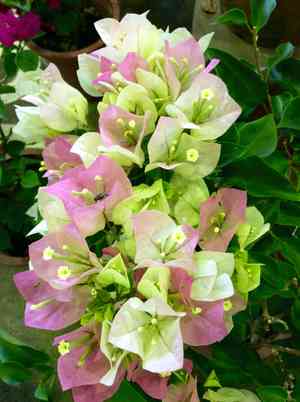
The optimal period for relocating paperflower spans from the middle of spring to the beginning of winter, as this timeframe encourages peak development. To achieve the most favorable outcomes, select a bright spot with soil that drains effectively. Ensure you carefully separate the root mass during the transplanting process, and consistently provide ample hydration to the plant.
What Preparations are Needed Before Transplanting Paperflower?
What is the Ideal Time for Transplanting Paperflower?
Optimally, your paperflower would benefit from being moved between mid-spring and the onset of winter. This timeframe allows paperflower to develop robust roots prior to the cold season, leading to vigorous growth in the subsequent year. Remember, a timely transplant ensures a healthy and flourishing paperflower. So, treat yourself to a vibrant display by transplanting during this prime period.
How Much Space Should You Leave Between Paperflower Plants?
For relocating paperflower, the perfect spacing is 36-60 inches (91-152 cm) apart. This will provide your plants ample room to grow and flourish, while also preventing overcrowding.
What is the Best Soil Mix for Paperflower Transplanting?
Before moving paperflower, prepare the soil by using a well-draining, slightly acidic to neutral soil (pH between 6-7), and incorporate some organic material or a slow-release granular fertilizer to supply your plants with sufficient nutrients.
Where Should You Relocate Your Paperflower?
Select a sunny location when transplanting paperflower, as they thrive in sunlight and require approximately 5-6 hours of direct sun exposure daily. An east-facing or south-facing area will be most suitable for these beautiful plants.
What Equipments Should You Prepare Before Transplantation Paperflower?
Gardening Gloves
To safeguard your hands while handling the soil and paperflower plant.
Spade or Shovel
These are crucial for excavating the plant from its previous spot and preparing the new planting site.
Pot (if applicable)
Choose a pot of appropriate size if you are moving the paperflower from a container.
Pruning Shears
You might need these to trim any dead or damaged roots when you relocate your paperflower.
Garden Hose or Watering Can
To hydrate the plant before and after its relocation.
Stakes or Supports (optional)
If your paperflower is mature and heavy, you might require stakes or supports to help maintain the plant's structure during the transplanting process.
How Do You Remove Paperflower from the Soil?
How Do You Remove Paperflower from the Soil?
From Ground: First, moisten the paperflower plant to soften the soil, making it easier to manage. Carefully dig a wide trench around the plant with your spade or shovel, ensuring the plant's root ball remains intact. Once you have dug sufficiently deep, gently work the spade beneath the root ball and lift the plant from its original position.From Pot: Water your paperflower plant until the soil is damp but not saturated. Invert the pot, place your hands around the plant, and gently pull it out to avoid damaging the roots. If the plant is stuck, you can use a knife to loosen the edges.From Seedling Tray: Gently grasp the base of the paperflower plant, then turn the seedling tray upside down and tap it lightly until the plant emerges. Be careful not to harm the roots during this process.
Step-by-Step Guide for Transplanting Paperflower
Preparation
Start by watering your paperflower plant at its current location. This will help reduce stress during the relocation process. Also, ensure the hole at the new site is wide and deep enough to accommodate your plant's root ball.
Immersing
Then place your paperflower into the hole, making sure the top of the root ball is level with the soil surface to prevent burying the plant too deeply.
Backfilling
Next, gently refill the hole with soil, firming the soil around the plant's base to ensure it is stable.
Watering
Water your paperflower thoroughly after transplanting, ensuring it is saturated but not waterlogged.
Monitoring
Keep a close watch on your plant over the next few weeks, especially for indications of transplant shock, including yellowing leaves or wilting.
How Do You Care For Paperflower After Transplanting?
Monitoring
Observe your paperflower for a few weeks following its relocation. Look for signs of stress, such as wilting or discolored foliage, and adjust your care routine as necessary.
Watering
While your plant is adapting to its new spot, ensure it receives adequate water. The top layer of soil should be consistently moist but not waterlogged. It's best to water deeply but less frequently for optimal results.
Pruning
Remove any dead or damaged branches from your paperflower to help it direct energy towards new growth.
Pest and disease control
Watch out for pests or signs of disease. If your plant is stressed, it may be more vulnerable to these issues. Using organic deterrents or consulting a professional might be necessary.
Troubleshooting Common Issues with Paperflower Transplantation.
What is the ideal season for transplanting paperflower?
The perfect time to relocate paperflower is from mid-spring to early winter. This period offers optimal conditions for the plant to become established.
What is the optimal spacing for paperflower when transplanting?
A distance of 36-60 inches (91-152 cm) between each plant is ideal when moving paperflower. This provides them ample room to grow and spread.
How can I prepare the soil before transplanting paperflower?
Soil preparation is vital! Loosen the soil up to 10-12 inches (25-30 cm) deep, then mix in compost. This adds nutrients and helps retain moisture.
Why are the leaves on my transplanted paperflower turning yellow?
Excessive watering or poorly draining soil might be the cause. Paperflower prefers well-drained soil, so ensure it isn't holding too much water after you move it.
What is the best way to water a transplanted paperflower?
Paperflower thrives with a consistent watering schedule. Providing deep watering rather than frequent light sprinkling will encourage stronger root development.
What kind of sunlight does a transplanted paperflower need?
Paperflower flourishes in full sun. After relocating, place it in an area where it will receive at least 5 hours of direct sunlight daily.
Is paperflower affected by transplant shock and how to cure it?
Yes, like most plants, paperflower can experience transplant shock. Keeping the root ball intact during relocation can minimize this. If it occurs, sufficient watering and shade aid recovery.
Why are the blooms on my transplanted paperflower looking dull?
Paperflower requires a well-balanced, slow-release fertilizer to maintain vibrant blooms. Ensure your plant is receiving adequate nutrients.
Do I need to prune paperflower before or after transplanting?
Yes, prune paperflower about a week before relocating. This reduces stress and directs energy towards root growth.
How deep should I plant paperflower when transplanting?
Dig a hole as deep as the root-ball but twice as wide. This allows the roots space to expand while keeping the plant anchored.



