How to Transplant Flat-stem clubrush?
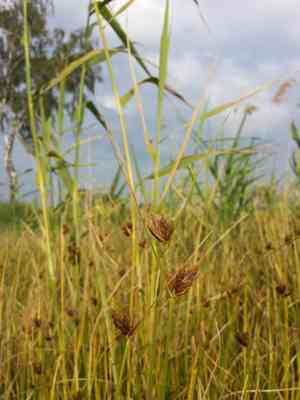
For optimal development, relocate flat-stem clubrush during the pleasant temperatures of late spring to mid-summer. Select a location that receives ample sunlight and has damp earth. Bear in mind that careful manipulation of the root system contributes to successful integration.
What Preparations are Needed Before Transplanting Flat-stem Clubrush?
What is the Ideal Time for Transplanting Flat-stem Clubrush?
The prime period for relocating flat-stem clubrush spans from late spring's onset through mid-summer. This timeframe provides the warmth and extended daylight flat-stem clubrush requires for vigorous root development and adaptation. Additionally, the mild weather during this season minimizes transplant shock, aiding flat-stem clubrush in flourishing in its new environment. A helpful tip for gardeners: successful transplantation begins with careful handling of flat-stem clubrush during its peak season, ensuring a vibrant display in your garden.
How Much Space Should You Leave Between Flat-stem Clubrush Plants?
Before moving flat-stem clubrush to its new location, ensure ample room for growth! Aim for a spacing of approximately 6-12 inches (15-30 cm) between plants. This provides each specimen sufficient space to expand while maintaining a dense, verdant appearance.
What is the Best Soil Mix for Flat-stem Clubrush Transplanting?
For flat-stem clubrush, envision preparing a comfortable planting bed. Choose well-draining soilâsuch as loamy or sandy types. Prior to planting, incorporate a balanced, slow-release fertilizer to provide a gentle nutrient boost as it establishes in its new spot.
Where Should You Relocate Your Flat-stem Clubrush?
Our flat-stem clubrush thrives in sunlight, much like a cat seeking the warmest spot. Select a garden location that receives full sun for optimal growth. A bright, sunny position will help your flat-stem clubrush prosper and bring joy throughout the season.
What Equipments Should You Prepare Before Transplantation Flat-stem Clubrush?
Gardening Gloves
To safeguard your hands while handling soil and plants.
Shovel or Spade
For digging around the plant and lifting it from its current position.
Gardening Fork
To assist in loosening the soil and separating roots, if necessary.
Watering Can or Hose
To hydrate flat-stem clubrush before and after relocation.
Wheelbarrow or Garden Cart
For moving flat-stem clubrush and soil to and from the planting site.
Pruning Shears
To trim any damaged roots or foliage.
Measuring Tape
To help ensure adequate spacing between transplanted specimens.
Mulch
To apply around the base of flat-stem clubrush after transplant for moisture retention and temperature regulation.
How Do You Remove Flat-stem Clubrush from the Soil?
How Do You Remove Flat-stem Clubrush from the Soil?
From Ground: First, moisten the soil around flat-stem clubrush. Then, excavate a wide trench around the plant using a shovel or spade, ensuring the root ball remains intact. Carefully work the spade beneath the root ball to lift the plant from its original spot.From Pot: Begin by watering the plant to facilitate root ball removal. Place your hand on the soil surface with the plant stem between your fingers. Invert the pot and tap the bottom to encourage the plant to slide out. If it doesn't release easily, roll the pot on its side and apply gentle pressure.From Seedling Tray: Gently press the bottom of the individual cell to extract the plant and root ball. If roots have grown through the tray, carefully snip those sections to free the plant without causing extensive root damage.
Step-by-Step Guide for Transplanting Flat-stem Clubrush
Time of Year
Relocate flat-stem clubrush during its dormant period or early in the growing season when new growth appears.
Watering
Water flat-stem clubrush the day prior to transplanting to ensure roots are well-hydrated and the soil remains cohesive.
Digging Hole
Excavate a hole in the ground large enough to accommodate the root ball. It should be twice as wide and equally as deep as the root ball.
Placing flat-stem clubrush
Position flat-stem clubrush in the center of the new hole, ensuring it is upright and at the same depth it was previously growing.
Refilling Hole
Gently backfill the hole with soil and lightly firm it down. Avoid excessive soil compaction, as this can hinder root development.
Watering Again
Thoroughly water the plant to settle the soil around the roots and eliminate any air pockets.
Mulching
Apply a layer of mulch around the base, without touching the stems, to help retain moisture and regulate soil temperature.
How Do You Care For Flat-stem Clubrush After Transplanting?
Monitoring
Inspect the plant daily to ensure the soil is moist and to identify any signs of stress.
Watering
Keep the soil around flat-stem clubrush consistently moist, but not waterlogged, for the initial weeks after transplanting to aid in strong root establishment.
Mulch
Maintain a layer of mulch around flat-stem clubrush to conserve moisture and suppress weed growth.
Staking
If flat-stem clubrush is tall or in a windy location, provide support, such as a stake, to prevent bending or breakage.
Pruning
Remove any dead or damaged foliage to direct the plant's energy towards healthy growth.
Protection
Shield flat-stem clubrush from pests and, if necessary, provide a barrier against common animals.
Troubleshooting Common Issues with Flat-stem Clubrush Transplantation.
Why are my flat-stem clubrush plants wilting after transplant?
Wilting may indicate transplant shock. Ensure adequate soil moisture and protect plants from strong winds or intense sun until recovery.
What's the ideal timing for transplanting flat-stem clubrush?
Transplant flat-stem clubrush during the period from late spring's bloom to mid-summer's warmth for optimal root establishment.
How far apart should I space my flat-stem clubrush?
Space your flat-stem clubrush ideally 6-12 inches (15-30 cm) apart. This allows ample room for growth while maintaining an attractive cluster.
Why isn't my flat-stem clubrush growing after being transplanted?
Check roots for damage and ensure the soil is fertile and moist. Growth delay can occur while the plant establishes its new root system.
How deep should I plant flat-stem clubrush?
Plant flat-stem clubrush slightly deeper than its previous setting, with roots well covered but not so deep as to hinder growth.
How do I know if my soil is right for flat-stem clubrush?
Flat-stem clubrush thrives in moist, well-drained soil. A simple soil test can determine nutrient levels and composition for optimal plant health.
Can I use fertilizer when transplanting flat-stem clubrush?
Yes, a balanced fertilizer can promote growth, but avoid over-fertilizing, which may harm new transplants. Follow manufacturer's directions for the appropriate dose.
How much sunlight does flat-stem clubrush need?
While flat-stem clubrush is adaptable, it prefers full to partial sunlight. Choose a sunny spot that receives at least 4-6 hours of daily sunlight.
How do I handle root-bound flat-stem clubrush during transplant?
Gently untangle the roots and trim any circling or excessive growth. This encourages outward expansion in the new location.
What is the optimal water regimen post-transplant?
Water flat-stem clubrush generously immediately after transplanting and maintain consistent moisture without waterlogging the soil, especially during the initial growth period.



