How to Transplant False nettle?
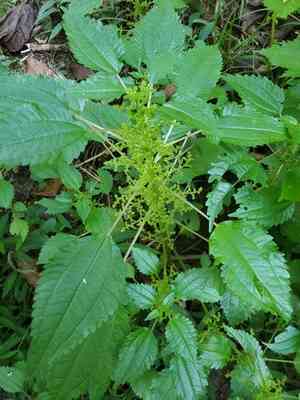
Relocate false nettle as spring emerges, preferably from its initial stirrings through its peak. Select a location offering filtered sunlight and damp earth. Carefully settle it into its new environment, guaranteeing a smooth adaptation.
Preparations Required Before Relocating False Nettle?
Optimal Period for Relocating False Nettle?
The prime period for relocating false nettle is when the frost has passed. Embrace this time with enthusiasm, as the gentle yet consistent warmth of late spring promotes strong root development and plant resilience. By selecting this season, you provide false nettle a head start, allowing it ample time to establish itself before the full intensity of summer arrives. Your precise timing will lead to a more robust and thriving specimen, eager to reward you with its growth in the sunnier seasons ahead.
Recommended Spacing Between False Nettle Plants?
It's crucial to provide each false nettle ample room for growth during relocation. Maintain a distance of approximately 1-2 feet (30-60 cm) between each plant. This helps prevent overcrowding and ensures unhindered development. Proper spacing is vital for healthy growth!
Ideal Soil Mixture for False Nettle Relocation?
False nettle thrives in fertile and well-draining soil. Consider mixing in some compost if the soil lacks richness. A balanced base fertilizer, such as a 10-10-10, can be applied to give your false nettle an excellent start. Remember, healthy soil leads to a flourishing plant!
Where to Replant Your False Nettle?
False nettle benefits from partial to full sunlight for optimal development. When choosing a spot in your garden for relocation, look for areas that receive a good mix of sun and shade throughout the day. However, be aware that excessive direct sunlight can also be detrimental!
Equipment Needed Before Relocating False Nettle?
Gardening Gloves
To protect your hands from soil and potential abrasions.
Spade or Trowel
These implements will be used for excavating the hole where you'll position the false nettle.
Gardening Fork
Useful for loosening the soil around the plant in its original location.
Watering Can
For hydrating the false nettle during the relocation process.
Mulch
This will be spread over the soil surface to retain moisture and regulate soil temperature.
How to Extract False Nettle from the Soil?
How to Extract False Nettle from the Soil?
From Ground: Begin by locating the root ball of the false nettle and start digging around it with a gardening fork. This helps to loosen the soil and minimize root damage. Dig approximately a foot deep and expand the circle as you proceed, being careful not to harm the root system. Once you've unearthed the plant, lift it gently while supporting the root ball.From Pot: Water the false nettle thoroughly, then turn the pot on its side, hold the plant carefully by the stems or leaves, and tap the bottom of the pot to dislodge it. Slide the false nettle out of the pot. You might need to tap it a few times.From Seedling Tray: Moisten the seedling tray before beginning. Push up from the base of the tray cell to lift the false nettle seedling. Be sure to handle it by the leaves or root ball, not the stem.
Step-by-Step Guide for Relocating False Nettle
Preparation
Prepare the planting hole roughly twice the width of the false nettle's root ball, but no deeper, and loosen the soil at the bottom.
Placement
Position the false nettle plant so the top of its root ball is level with the surrounding soil surface. Center it within the hole.
Backfilling
Refill the hole with soil, gently firming it around the plant's base.
Watering
Immediately after relocation, thoroughly water the false nettle plant until the soil is completely moist.
Mulching
Apply a layer of mulch around the plant, keeping it clear of the stems to prevent rot.
Post-Relocation Care for False Nettle
Watering
Ensure the false nettle receives adequate water, especially during dry periods. Water deeply to encourage root development.
Protection
Provided it's not a windy day, a shade cloth or windbreak can be used initially to aid in plant recovery and reduce moisture loss.
Pest Management
Regularly inspect your false nettle for pests. You can safeguard it with environmentally friendly insecticides or by attracting beneficial predators.
Addressing Common Issues with False Nettle Relocation.
What's the best season to relocate false nettle?
The optimal period for relocating false nettle would be the transition from season 1 (S1) to season 2 (S2).
How much space does false nettle require when relocating?
As false nettle tends to spread, it needs ample room. Therefore, ensure a gap of 1-2 foot (30-60 cm) between plants.
What is the best soil type for relocating false nettle?
False nettle thrives best in moist, rich, and well-draining soil. Aim for soil with a slightly acidic to neutral pH level.
Why is my recently relocated false nettle appearing wilted?
Don't be concerned, it's normal for false nettle to look a bit distressed after relocation as it adapts to the new environment. Consistent watering should help.
How do I ensure successful relocation of false nettle?
Before the relocation, water false nettle thoroughly. At the new site, dig a hole twice the root ball's width and ensure it's sufficiently deep.
Do I need to prune false nettle before relocating?
No, pruning is not essential. However, after relocating false nettle, consider pruning if it's significantly bushy, ensuring more energy is directed to root establishment.
Which part of the day is best for relocating false nettle?
Relocating false nettle during the early morning or late evening is ideal, as the cooler temperatures reduce stress on the plant.
Do I need to water false nettle immediately after relocating?
Absolutely, watering right after relocating is crucial. It settles any air pockets, hydrates false nettle, and aids in root establishment.
What should I do if the leaves of false nettle start to yellow after relocating?
Yellowing leaves might indicate water stress or nutrient deficiency. Make sure false nettle gets regular watering, and consider adding a balanced slow-release fertilizer.
Should I add mulch after relocating false nettle?
Yes! Mulching helps retain moisture, protects the roots from temperature extremes, and discourages weed growth. Be sure to leave a little space around the stem, though.



