How to Transplant Leafy goosefoot?
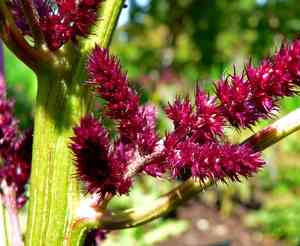
The optimal period for relocating leafy goosefoot extends from the onset of early spring through the threshold of early summer, facilitating robust development. Select a sunny, adequately drained location to guarantee leafy goosefoot flourishes. Appropriate depth and distance will yield abundant foliage.
What Preparations are Needed Before Transplanting Leafy Goosefoot?
What is the Ideal Time for Transplanting Leafy Goosefoot?
The optimal period for relocating leafy goosefoot spans from early spring to its conclusion. This timeframe aligns with moderate temperatures, which encourage root development without stressing young plants. Furthermore, transplanting leafy goosefoot during this phase allows them to establish before summer heat, ensuring robust growth. It provides the perfect conditions for leafy goosefoot to flourish, facilitating their transition from nurseries to new locations, thereby boosting their prospects for a productive growing season.
How Much Space Should You Leave Between Leafy Goosefoot Plants?
When preparing to rehouse your leafy goosefoot, provide ample room for growth! Aim for a spacing of approximately 6-8 inches (15-20 cm) between them. This comfortable distance helps them grow without competing for nutrients and sunlight, yet keeps them close enough to form a lush garden.
What is the Best Soil Mix for Leafy Goosefoot Transplanting?
Your leafy goosefoot prefers to settle into soil that drains well and is rich in organic matter. Incorporate some compost or a balanced, slow-release fertilizer before planting to give your leafy goosefoot the best start. It's like tucking them into a nutrient-rich bed!
Where Should You Relocate Your Leafy Goosefoot?
Select a sunny location for your leafy goosefoot where they can receive at least 6 hours of direct sunlight daily. This light-loving plant will thrive with ample sunshine, so choose a bright and cheerful spot to keep your leafy goosefoot content and healthy.
What Equipments Should You Prepare Before Transplantation Leafy Goosefoot?
Gardening Gloves
To safeguard your hands while handling soil and leafy goosefoot.
Trowel
For digging and creating the transplant hole.
Watering Can or Hose
To hydrate the plant before and after relocation.
Measuring Tape
To ensure correct spacing between transplanted leafy goosefoot plants.
Garden Fork
To loosen the soil surrounding the plant at its original spot.
Shovel or Spade
To excavate the plant with its root ball intact.
Wheelbarrow or Plant Pot
For moving the leafy goosefoot plant from its initial position to the new site.
Pruning Shears
To trim any dead or excess foliage prior to or following transplanting.
How Do You Remove Leafy Goosefoot from the Soil?
How Do You Remove Leafy Goosefoot from the Soil?
From Ground: First, moisten the leafy goosefoot plant to soften the soil, which simplifies the removal process. Then, use a garden fork to gently loosen the soil around the plant. Carefully dig a wide circle around the plant with a shovel or spade, ensuring no damage to the root ball. Slide the spade beneath the root ball and lift the leafy goosefoot plant from its original location.From Pot: Water the leafy goosefoot plant to make the soil pliable. Tilt the pot sideways and gently tap the bottom to encourage the plant to slide out. You might need to press on the pot's sides to loosen the root ball. Hold the plant at its base and carefully remove it from the pot.From Seedling Tray: Water the seedlings first to make the soil moist. Use a trowel or similar tool to gently lift the leafy goosefoot seedlings from their compartments, taking care not to harm the delicate roots and shoots.
Step-by-Step Guide for Transplanting Leafy Goosefoot
Preparation
Gently water your leafy goosefoot to minimize transplant shock. This makes the plant and soil easier to handle. Wear gardening gloves to protect your hands while working with the plant and tools.
Digging Hole
Use a trowel to excavate a hole in the ground that is slightly wider and the same depth as the leafy goosefoot's root ball. This ensures the plant will sit at the same soil level as it was previously.
Root Ball Inspection
Examine the leafy goosefoot's root ball and trim any overly long roots with pruning shears. If roots are circling the bottom, gently separate them.
Placing Plant
Position the leafy goosefoot in the center of the prepared hole. Space multiple plants according to the required distance to ensure proper growth.
Backfilling
Gently refill the hole with the excavated soil, lightly tamping down around the leafy goosefoot plant to eliminate air pockets without overly compacting the soil.
Watering
Thoroughly water the leafy goosefoot after transplanting to settle the soil around the roots and help alleviate transplant stress.
Support
If the leafy goosefoot appears unstable, use supports to keep it upright until the roots establish in the new location.
How Do You Care For Leafy Goosefoot After Transplanting?
Watering
Keep the soil around the leafy goosefoot consistently moist for the initial few weeks, providing adequate but not excessive hydration to aid plant establishment.
Mulching
Apply a layer of mulch around the base of the leafy goosefoot to help retain soil moisture and regulate soil temperature.
Monitoring
Regularly inspect the leafy goosefoot for signs of stress, such as wilting or discolored leaves, and adjust care as necessary.
Pruning
Remove any dead or damaged foliage to direct the leafy goosefoot's energy towards developing strong roots.
Staking
If the leafy goosefoot grows tall and begins to lean, use stakes to support it and encourage vertical growth.
Troubleshooting Common Issues with Leafy Goosefoot Transplantation.
Why is my leafy goosefoot wilting after transplanting?
Wilting may indicate transplant shock. Ensure careful root handling, adequate watering, and shade to help it recover.
What's the best time to transplant leafy goosefoot?
The optimal period to move leafy goosefoot is from early to late spring when the soil is manageable.
How far apart should I space leafy goosefoot when transplanting?
Allow each leafy goosefoot approximately 6-8 inches (15-20 cm) of space to flourish without nutrient competition.
What soil conditions favor leafy goosefoot after transplanting?
Utilize well-drained soil and ensure it's moist. A balanced pH aids leafy goosefoot in adapting better post-transplanting.
How much sunlight does leafy goosefoot need after transplanting?
Leafy goosefoot thrives in full sun but can tolerate partial shade. Ensure they receive 6+ hours of sunlight daily.
Can I transplant leafy goosefoot in containers?
Certainly, ensure containers are spacious for root growth and possess drainage holes. Adjust watering accordingly.
How do I prepare leafy goosefoot for transplanting?
Water leafy goosefoot thoroughly before the move, maintain root-ball integrity, and minimize root exposure to air.
Is there a specific depth to transplant leafy goosefoot?
Transplant leafy goosefoot at the same depth it was previously growing to prevent stem rot or drying out.
What should I do if leafy goosefoot isnât growing post-transplant?
Patience is crucial. Avoid over-watering and over-feeding. Verify if the roots have sufficient space and are healthy.
How do I protect leafy goosefoot from pests after transplanting?
Maintain a tidy garden, employ suitable row covers, and watch for early signs of infestation.



