How to Transplant Chinese bishopwood?
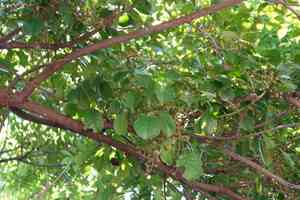
For the robust chinese bishopwood, relocation thrives from the onset of early spring until the conclusion of late spring, facilitating root development in moderate weather. A location with good drainage and abundant sunshine will satisfy its cultivation requirements.
What Preparations are Needed Before Transplanting Chinese Bishopwood?
What is the Ideal Time for Transplanting Chinese Bishopwood?
The best time to move chinese bishopwood is during nature's reawakening, from early spring's thaw until just before summer's heat. This period allows the plant to develop a strong root system, benefiting from moist soil and mild weather. This timing prepares chinese bishopwood for vigorous growth and resilience against summer stress, ensuring a smooth transition and a flourishing garden presence.
How Much Space Should You Leave Between Chinese Bishopwood Plants?
When planting your chinese bishopwood, aim for a spacing of approximately 33-39 feet (10-12 meters). This provides ample room for their substantial growth, allowing them to flourish.
What is the Best Soil Mix for Chinese Bishopwood Transplanting?
Prepare a fertile, well-draining soil for your chinese bishopwood by incorporating compost or a balanced slow-release fertilizer. Loamy soil is perfect. If uncertain about your soil type, adding organic matter is a great starting point!
Where Should You Relocate Your Chinese Bishopwood?
Select a sunny location for your chinese bishopwood where it receives at least 6 hours of direct sunlight daily. Partial shade is also acceptable, especially in areas with very hot afternoons.
What Equipments Should You Prepare Before Transplantation Chinese Bishopwood?
Gardening Gloves
To safeguard your hands while handling soil and the plant.
Shovel or Spade
For excavating the plant and preparing a new planting site.
Pruners or Sharp Knife
To trim any damaged roots or branches.
Wheelbarrow or Garden Cart
To move the chinese bishopwood to its new spot.
Watering Can or Hose
To hydrate the chinese bishopwood before and after relocation.
Staking Materials
To provide support for the chinese bishopwood if needed.
How Do You Remove Chinese Bishopwood from the Soil?
How Do You Remove Chinese Bishopwood from the Soil?
From Ground: First, moisten the chinese bishopwood's surrounding soil. Dig a trench around the plant with a shovel or spade, ensuring a safe distance from the main trunk to prevent root damage. Carefully slide the tool under the root ball and gently lift the chinese bishopwood from the ground.From Pot: Water the chinese bishopwood thoroughly. Invert the pot and gently tap to loosen the soil. Hold the base of the chinese bishopwood and carefully extract it with a slight twisting and pulling motion.From Seedling Tray: Dampen the soil in the tray to facilitate seedling removal. Using pruners or a small tool, carefully separate each chinese bishopwood seedling, taking care not to harm the delicate roots.
Step-by-Step Guide for Transplanting Chinese Bishopwood
Digging the Hole
Excavate a hole twice the width of the chinese bishopwood's root ball, but no deeper than the root ball itself, to prevent settling.
Inspecting the Roots
Examine the root ball for roots that are circling or girdling and trim them if necessary to encourage outward growth.
Placing the Plant
Position the chinese bishopwood in the center of the hole. The top of the root ball should be level with the surrounding ground for proper water absorption.
Backfilling
Refill the hole with native soil and gently compact it to eliminate air pockets.
Staking if Necessary
Only stake the chinese bishopwood if it is top-heavy or exposed to strong winds. Use soft ties and stakes to avoid trunk damage.
Watering
Water the chinese bishopwood deeply and slowly immediately after transplanting to settle the soil and remove air pockets.
How Do You Care For Chinese Bishopwood After Transplanting?
Mulching
Apply a layer of organic mulch around the base of the chinese bishopwood to help retain moisture and regulate soil temperature.
Monitoring
Regularly check the chinese bishopwood for signs of transplant shock, such as wilting or yellowing leaves, and address them promptly.
Pruning
Trim any dead or damaged branches to encourage new growth and reduce stress on the chinese bishopwood.
Staking Adjustment
Adjust and eventually remove any stakes once the chinese bishopwood has developed strong roots.
Troubleshooting Common Issues with Chinese Bishopwood Transplantation.
When is the best time to transplant chinese bishopwood?
The optimal period for transplanting chinese bishopwood is during mild weather, typically from early to late spring.
How far apart should I plant chinese bishopwood saplings?
For ideal development, space chinese bishopwood saplings approximately 33-39 feet (10-12 meters) apart.
What soil type is best for transplanting chinese bishopwood?
Transplant chinese bishopwood into well-draining soil rich in organic matter for optimal results.
How much sunlight does chinese bishopwood need post-transplant?
After transplanting, chinese bishopwood thrives in full sunlight to partial shade.
What's the ideal depth for the transplant hole of chinese bishopwood?
Dig a hole that is twice as wide and the same depth as the root ball of chinese bishopwood.
How do I water chinese bishopwood after transplanting?
Water chinese bishopwood thoroughly after transplanting and keep the soil moist for the initial few weeks.
Should I fertilize chinese bishopwood after transplanting?
Wait several months before fertilizing chinese bishopwood to prevent stressing the roots.
How do I handle root-bound chinese bishopwood during transplanting?
Carefully untangle and trim overly long roots before planting chinese bishopwood.
Can I transplant chinese bishopwood in windy locations?
Select a protected spot or provide a windbreak to shield the young chinese bishopwood from strong winds.
How do I know if chinese bishopwood has transplant shock?
Indicators of transplant shock in chinese bishopwood include wilting, leaf drop, or a lack of new growth.



