How to Transplant Devil's beggarticks?
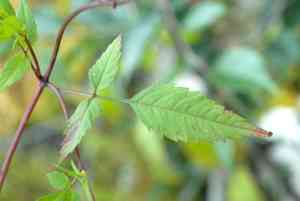
The most favorable period for relocating devil's beggarticks is from mid to late spring, when growth is vigorous. Select a location that receives full sun to partial shade and has damp earth. Carefully place devil's beggarticks into its new environment to ensure a smooth adjustment.
What Preparations are Needed Before Transplanting Devil's Beggarticks?
What is the Ideal Time for Transplanting Devil's Beggarticks?
The optimal period for relocating devil's beggarticks spans from mid to late spring. This timeframe offers perfect growing conditions, promoting vigorous development for devil's beggarticks, as mild temperatures and increased daylight foster strong root establishment and enhance plant vitality. Placing devil's beggarticks in their new spot during this season allows them to adapt and flourish, maximizing the upcoming full growing cycle.
How Much Space Should You Leave Between Devil's Beggarticks Plants?
When getting ready to move devil's beggarticks, make sure there's sufficient room for each plant to expand. Aim for a spacing of approximately 1.5-2 feet (45-60 cm) between them. This ensures every plant receives the necessary nutrients without competing with nearby ones.
What is the Best Soil Mix for Devil's Beggarticks Transplanting?
Before planting devil's beggarticks, prepare a rich, well-draining soil. Incorporate a foundational fertilizer with ample organic material to enrich the soil. This supplies essential nutrients, encouraging healthy growth for devil's beggarticks.
Where Should You Relocate Your Devil's Beggarticks?
Choose a site that guarantees devil's beggarticks a full day of sun exposure, as sunlight is crucial for its development. It's advisable to transplant devil's beggarticks into sunny gardens or areas that receive direct sunlight for most of the day.
What Equipments Should You Prepare Before Transplantation Devil's Beggarticks?
Shovel
For digging the hole to plant the devil's beggarticks and extracting it from its initial spot.
Gardening Gloves
To safeguard your hands while handling soil and the plant.
Wheelbarrow or Bucket
To move the devil's beggarticks from its original location to the new one without causing harm.
Garden Hose or Watering Can
To hydrate the devil's beggarticks once it's been replanted.
Mulch
To help maintain soil moisture and temperature around the devil's beggarticks.
Staking materials (optional)
To provide support for the devil's beggarticks if it tends to become elongated or unstable.
How Do You Remove Devil's Beggarticks from the Soil?
How Do You Remove Devil's Beggarticks from the Soil?
From Ground: Start by watering the devil's beggarticks plant to moisten the soil, which facilitates easier removal without root damage. Using your shovel, dig a wide circle around the plant, ensuring you don't cut into the root ball. Gently begin lifting the plant from its base, but avoid pulling or dragging to prevent any root injury.From Pot: Water your potted devil's beggarticks plant, ensuring the soil is adequately damp. Tilt the pot sideways, supporting the plant with your other hand. Gently tap the pot's edges to loosen the soil and carefully slide the plant out along with its root ball.From Seedling Tray: Using a small spoon or similar tool, carefully lift the seedling by easing the tool underneath it. Be cautious not to harm the roots. Lift it gently, holding it by a leaf if necessary to avoid damaging the stem.
Step-by-Step Guide for Transplanting Devil's Beggarticks
Preparation
Begin by preparing the new site. Dig a hole twice the width and roughly the same depth as the root ball of the devil's beggarticks plant.
Placement
Carefully position your devil's beggarticks plant into the hole. The top of the root ball should be level with the surrounding soil. Avoid burying the stem, as this can lead to rot.
Backfill
Refill the hole with the original soil, gently firming it around the base of the devil's beggarticks plant. Avoid over-compacting the soil, as this can restrict water and air access to the roots.
Watering
Thoroughly water the devil's beggarticks plant immediately after transplanting to settle the soil and minimize transplant shock. If the soil settles significantly after watering, add more soil.
Mulching (optional)
Apply mulch around the plant's base, leaving a small gap around the stem. Mulch can help retain soil moisture and suppress weeds.
How Do You Care For Devil's Beggarticks After Transplanting?
Watering
During the initial weeks post-transplant, keep the soil around the devil's beggarticks moist, but not saturated. This aids in faster root establishment.
Weed Control
Remove any competing weeds that emerge near the devil's beggarticks. They can vie for nutrients and water.
Monitoring
Keep a close watch on your devil's beggarticks. If you observe any withered leaves or signs of disease, prompt action is crucial. Early detection of pests or diseases can be vital for saving the plant.
Staking (if needed)
If your devil's beggarticks grows tall and becomes lanky or unstable, consider providing a stake for support.
Troubleshooting Common Issues with Devil's Beggarticks Transplantation.
What's the ideal time of year for transplanting devil's beggarticks?
The optimal period for relocating devil's beggarticks falls within the S2-S3 season, typically aligning with late spring to mid-summer.
How much space should be left between devil's beggarticks when transplanting?
Aim for a general spacing of about 1.5-2 feet (45-60 cm) between each devil's beggarticks plant for optimal growth room.
Why are the transplanted devil's beggarticks wilting?
After relocation, devil's beggarticks might wilt due to transplant shock. Keep the soil moist and provide shade for a few days.
Why are the leaves of my transplanted devil's beggarticks turning yellow?
Yellowing foliage may result from over-watering or inadequate drainage. Ensure the planting area drains well and moderate your watering.
Why isnât my transplanted devil's beggarticks flowering?
Devil's beggarticks may not bloom if it's not receiving enough light. Ensure it gets at least 6-8 hours of sunlight daily.
Whatâs the ideal depth to plant devil's beggarticks during transplanting?
Dig a hole deep enough so that the plant sits at the same level as it was in its original plot.
How should I water devil's beggarticks after transplanting?
Water devil's beggarticks thoroughly right after transplantation, then reduce frequency. It prefers moist but not water-logged soil.
What's the best soil type for transplanting devil's beggarticks?
Devil's beggarticks prefers light, well-drained soil. Mix in compost or organic matter if the soil is too heavy or sandy.
Why is my transplanted devil's beggarticks not growing?
Insufficient sunlight, poor soil, or excessive watering could be the causes. It also prefers a space of 1.5-2 feet (45-60 cm).
What care is needed for devil's beggarticks right after transplanting?
Provide ample water, sunlight, and a bit of shade in the initial stages. Additionally, ensure adequate spacing for growth.



