How to Transplant River birch?
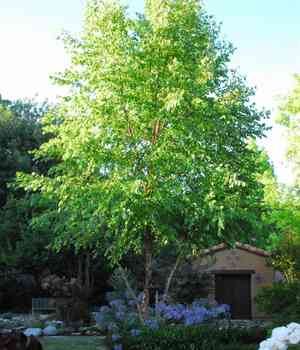
The optimal period for relocating river birch is in early spring, when its root system can rapidly take hold in moderate warmth. Select a location that receives partial sunlight and features damp, adequately draining earth to encourage vigorous development. A careful approach facilitates the river birch's adaptation to its new environment.
What Preparations are Needed Before Transplanting River Birch?
What is the Ideal Time for Transplanting River Birch?
The best time to move river birch is during nature's renewal - early spring. This timing allows roots to establish before summer heat. Relocating river birch in this season leverages mild temperatures and ample rain, helping river birch adapt and flourish in its new spot. A friendly tip: this is when river birch recovers best from the move!
How Much Space Should You Leave Between River Birch Plants?
When relocating your river birch, ensure each plant is spaced approximately 20-30 feet (6-9 meters) apart. This provides ample room for their development and prosperity. Don't be concerned if it seems like a lot of space. It will be worth it in the long run.
What is the Best Soil Mix for River Birch Transplanting?
For optimal results with your river birch, prepare well-drained soil, enriched with organic compost as a foundational fertilizer. This enhances soil structure and delivers vital nutrients, giving your plant an excellent start to its life.
Where Should You Relocate Your River Birch?
Your river birch enjoys sunlight but also appreciates some shade. Select a location that receives both sun and shade throughout the day for the best balance. This is the perfect way to ensure your plant gets the light it needs without enduring too much intense midday sun.
What Equipments Should You Prepare Before Transplantation River Birch?
Gardening Gloves
To safeguard your hands while handling soil and river birch.
Shovel or Spade
To excavate the river birch from its original spot and create a new hole in the transplant area.
Gardening Trowel
For more precise, detailed digging tasks in confined spaces.
Pruning Shears
To trim any dead, damaged, or excessive branches from the river birch before and after relocation.
Hose or Watering Can
To hydrate the river birch during and following the transplanting process.
Garden Cart or Wheelbarrow
To move the river birch from its initial location to the new planting site without causing harm.
Mulch
To help maintain soil moisture and insulate the root system of river birch post-transplant.
How Do You Remove River Birch from the Soil?
How Do You Remove River Birch from the Soil?
From Ground: Start by thoroughly watering the river birch to make the soil easier to manage. Using your shovel or spade, carefully begin digging a wide trench around the base of the river birch, aiming to keep as much of the root system intact as possible. Gently lift the river birch from the ground, ensuring to support it from the base of the root ball, not the trunk.From Pot: First, thoroughly water your potted river birch. With your gardening gloves on, gently tilt the pot to its side and roll it slightly to loosen the soil. As the root ball becomes loose, carefully slide the river birch out of the pot, being careful not to pull on the trunk or branches.From Seedling Tray: Ensure your river birch seedlings are well hydrated. With your trowel, gently scoop out each river birch seedling, taking care not to disturb the delicate root system. Hold the seedlings by their leaves, not by the stem or roots.
Step-by-Step Guide for Transplanting River Birch
Preparation
Check the weather forecast. Aim to perform the transplanting activity on an overcast day to minimize transplant shock. Water the river birch plant in its original location the day before digging it up.
Digging
Excavate a hole in the new location that is approximately twice the size of the river birch's root ball.
Planting
Position the river birch in the planting hole. Ensure it's planted at the same depth as it was in its previous spot. Backfill the hole with soil, gently firming it around the base of the river birch.
Watering
After planting, water the river birch generously, saturating the root zone. Following watering, if the soil settles causing the river birch to be less deeply planted than intended, lift and reset it to the correct depth. Then water again.
Mulching
Spread 2-3 inches of mulch around the base of river birch to help retain moisture and inhibit weed growth.
Prune
Using your pruning shears, trim any broken or damaged branches.
How Do You Care For River Birch After Transplanting?
Watering
Ensure the river birch receives regular watering, especially during dry spells in the first year post-transplant. The soil should remain consistently moist, but avoid overwatering to prevent root rot.
Pruning
Regularly inspect the river birch for any dead or damaged branches, which should be pruned as needed. Avoid extensive pruning in the initial year after transplanting.
Protection
Safeguard the river birch from pests and diseases by routinely checking for any signs of infection or infestation, and treat as necessary. Utilize natural, eco-friendly treatments whenever possible to minimize harm to other wildlife.
Monitoring
Keep a close watch on the river birch for indications of transplant shock, such as wilting leaves or slow growth. If these symptoms persist, consult a professional gardener or horticulturist.
Troubleshooting Common Issues with River Birch Transplantation.
When is the best time to transplant river birch?
The optimal period to transplant river birch is during 'S1-S3', typically the cooler early or late part of the year. This allows the plant sufficient time to establish before hot/dry conditions arrive.
What is the ideal spacing for river birch while transplanting?
To provide river birch ample room to expand, it's advisable to space these plants 20-30 feet (6-9 meters) apart. This ensures they develop freely and healthily.
Are there specific depth guidelines for transplanting river birch?
Plant the river birch at the same depth it occupied in its previous spot. This aids the plant in adjusting quickly and promotes better growth in the new location.
Should I water river birch immediately after transplanting?
Yes, after transplanting river birch, water generously. This helps settle the soil around the roots and hydrate the plant, which is crucial for survival and growth.
What does discolored foliage indicate after I transplant river birch?
Discoloration may suggest your river birch is stressed from the move or not receiving enough water. Monitor moisture levels and adjust as needed to ensure healthy growth.
How do I prepare the soil before transplanting river birch?
Soil preparation is essential. Amend the area with compost to enrich it, fostering an ideal environment for river birch root development.
Why is my transplanted river birch showing stunted growth?
Stunted growth could stem from insufficient sunlight, inadequate water, or poor soil. Ensure your river birch receives plenty of sun, appropriate water, and nutrient-rich soil.
What can I do if my river birch starts wilting after transplantation?
Address wilting promptly by providing consistent, deep waterings. Ensure that the surrounding soil drains properly. Overwatering can be as detrimental as under-watering.
Why are the leaves of my transplanted river birch turning yellow?
Yellowing leaves might indicate overwatering or poor drainage. Regulate your watering schedule and consider improving drainage to help correct this issue.
How quickly can I expect growth after transplanting river birch?
River birch's growth rate will depend on its care. With ideal conditions - proper sunlight, water, and nutrient-rich soil - you may observe significant growth within the first season.



