How to Transplant Chard?
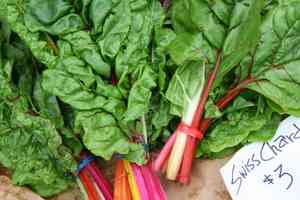
The perfect window for transplanting chard spans from mid-spring through early summer, capitalizing on prime growing circumstances. Select a location bathed in sunlight featuring soil that drains effectively. To achieve superior outcomes, perform the transplanting process on a cool, cloudy day to lessen stress.
What Preparations are Needed Before Transplanting Chard?
What is the Ideal Time for Transplanting Chard?
The optimal period for relocating chard is from late spring to early summer. This season provides a perfect balance of mild temperatures and abundant daylight, creating ideal conditions for chard to develop strong root systems and thrive. Moving chard during this timeframe can boost its growth potential and lead to a plentiful yield. Respect the plant's natural cycle and enjoy the rewarding process of cultivating chard throughout this gardening journey.
How Much Space Should You Leave Between Chard Plants?
To ensure each chard has sufficient room to develop, position them 1-2 feet (0.3-0.6 meters) apart. This spacing will allow them ample area to spread and flourish.
What is the Best Soil Mix for Chard Transplanting?
Give chard an excellent start by preparing the soil with a foundation of organic compost or well-rotted manure. Ensure the soil drains effectively to maintain healthy roots.
Where Should You Relocate Your Chard?
Selecting the appropriate location for your chard is crucial. These plants thrive with at least 5-6 hours of direct sunlight daily, so choose a sunny spot in your garden.
What Equipments Should You Prepare Before Transplantation Chard?
Gardening Gloves
To protect your hands from sharp objects and prevent direct contact with soil.
Trowel
To excavate a hole suitable for transplanting the chard roots into its new position.
Gardening Fork
To loosen the soil surrounding chard, ensuring safe and easy removal of the plant from its original spot.
Watering Can
To hydrate the chard before and after transplanting, ensuring optimal moisture in the roots.
Bucket or Wheelbarrow
For transporting the chard from its initial site to the new location without damage.
Garden Stakes
To offer support to the chard if it tends to lean after transplanting.
Organic Mulch
To spread around the base of the chard, post-transplant, which will aid in retaining soil moisture and inhibiting weed growth.
How Do You Remove Chard from the Soil?
How Do You Remove Chard from the Soil?
From Ground: Initially, water the chard to moisten the soil, which facilitates root extraction. Dig a wide circle around the plant with a gardening fork to keep the root ball secure and intact. Carefully lift the plant using the garden fork from beneath the root ball. Avoid pulling the plant, which could harm its roots.From Pot: Begin by watering the chard in its container. Invert the pot and gently tap it to release the plant. Avoid excessive pulling or shaking.From Seedling Tray: The chard should be thoroughly watered before transplant. Gently loosen the soil around the seedlings with a small tool. Lift each seedling carefully from its base, ensuring minimal root disturbance.
Step-by-Step Guide for Transplanting Chard
Digging a Hole
Excavate a hole twice as wide and deep as the chard root ball using a trowel in the new location.
Preparation
Carefully position the chard in the center of the hole. The top of the root ball should be level with the soil surface.
Planting
Gently backfill the hole with soil, firming it around the chard root ball.
Watering
Thoroughly water the chard using a watering can, ensuring the water penetrates deeply to the roots.
Support
If the chard is leaning, use garden stakes for stable support.
Mulching
Apply a layer of organic mulch around the base of the plant to help retain moisture and prevent weed competition.
How Do You Care For Chard After Transplanting?
Regular Watering
Water the chard consistently during the initial weeks after transplanting, as this aids in establishing a robust root system. However, ensure the soil is not waterlogged.
Mulch
Inspect and replenish the mulch layer periodically, as it helps maintain optimal soil moisture and inhibits weed growth.
Monitoring
Regularly examine the chard after transplant, looking for any signs of stress, such as drooping, wilting, or discoloration. Promptly addressing such issues ensures the plant's healthy growth and longevity.
Avoid Fertilizing
Do not apply any type of fertilizer immediately after transplanting, as this can stress the plant. Wait until the plant has recovered and begins new growth.
Troubleshooting Common Issues with Chard Transplantation.
When's the ideal time to transplant chard?
The best time to transplant chard is from late spring to early fall (S2-S4). This period offers optimal growing conditions for chard.
How far apart should chard be planted?
For effective growth, chard should be spaced approximately 1-2 feet (30-60 cm) apart. This provides them with ample room to thrive without competing for resources.
Why is my transplanted chard wilting?
Chard may wilt after transplant due to transplant shock. Minimize this by watering thoroughly after transplant and initially reducing exposure to intense sunlight.
What soil type suits chard best during transplanting?
Chard thrives in well-drained, loamy soil with a pH between 6.0 and 7.0. Poor soil conditions can impede their growth after transplanting.
How much sunlight does chard require post-transplant?
Chard prefers full to partial sunlight. Expose it to about 5-6 hours of sunlight daily after transplant for optimal growth.
What's the watering procedure for chard after transplanting?
Water chard immediately after transplanting. Subsequent watering can be done when the top inch (2.5 cm) of the soil feels dry to the touch.
How can I prevent root damage during chard transplanting?
Root damage can be minimized by gently removing chard from its original container and avoiding touching the roots as much as possible during transplanting.
What temperature range is suitable for chard after transplant?
Post-transplant, chard fares well in temperatures between 50°F-85°F (10°C-29°C). Extreme temperatures can hinder growth and cause stress.
How does post-transplant fertilization affect chard?
A week after transplanting chard, fertilize it. Use a balanced, all-purpose fertilizer to boost growth. Avoid over-fertilizing, as it can cause harm.
How soon after transplanting can chard be harvested?
Chard is generally ready to harvest 50-60 days after transplant. However, it may vary depending on the specific growth conditions and variety.



