How to Transplant Heartleaf bergenia?
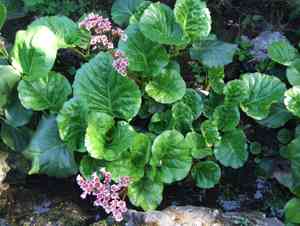
For Bergenia cordifolia, the most favorable period for relocation is during the mild onset of mid to late spring. Select a site that receives filtered sunlight and possesses soil with good drainage. While hardy, Bergenia cordifolia flourishes optimally when its strong root system is disturbed as little as possible.
What Preparations are Needed Before Transplanting Heartleaf Bergenia?
What is the Ideal Time for Transplanting Heartleaf Bergenia?
The most favorable period for relocating heartleaf bergenia occurs during early spring or its peak. This enables heartleaf bergenia to become established in moderately warm soil while benefiting from increasing daylight hours. Moving heartleaf bergenia during this season aligns with its natural growth cycle, promoting robust roots and abundant foliage. By selecting this timeframe, you'll provide heartleaf bergenia with the optimal start, ensuring its flourishing presence in your garden.
How Much Space Should You Leave Between Heartleaf Bergenia Plants?
When transplanting heartleaf bergenia, ensure adequate room for development. Ideally, each plant should have a spacing of approximately 1-2 feet (30-60 cm) from others to facilitate proper growth.
What is the Best Soil Mix for Heartleaf Bergenia Transplanting?
For heartleaf bergenia to thrive, prepare a rich, well-draining potting mix with ample humus. A slow-release fertilizer will greatly aid in a healthy beginning. It prefers a slightly acidic to neutral pH, with 5.8-7 being the optimal range!
Where Should You Relocate Your Heartleaf Bergenia?
When selecting a new site for your heartleaf bergenia, seek a location that receives partial to full sun, but also offers some afternoon shade for optimal results.
What Equipments Should You Prepare Before Transplantation Heartleaf Bergenia?
Gardening Gloves
To safeguard your hands while handling soil and heartleaf bergenia.
Spade or Shovel
These tools will be used to excavate heartleaf bergenia from its original spot and prepare a new planting hole.
Garden Trowel
To assist in loosening soil within pots or seedling containers.
Wheelbarrow
To move heartleaf bergenia without causing damage.
Watering Can
To hydrate the heartleaf bergenia plant before and after the transplanting process.
Mulch
To help maintain soil moisture after transplantation.
How Do You Remove Heartleaf Bergenia from the Soil?
How Do You Remove Heartleaf Bergenia from the Soil?
From Ground: Begin by thoroughly watering your heartleaf bergenia plant to moisten the soil. Then, carefully dig around the plant, ensuring the root ball remains intact using a shovel or spade. Gently work the spade beneath the root ball and lift the plant from its position. Be careful to keep the root ball and attached soil as undisturbed as possible to minimize transplant shock.From Pot: First, water the heartleaf bergenia plant thoroughly to loosen the soil. Wearing your gloves, carefully tilt the pot onto its side and gently slide the plant out. If it resists, gently tap the sides and bottom of the pot to dislodge it.From Seedling Tray: The heartleaf bergenia plant should be transplanted once it has developed at least two sets of true leaves. Water the tray thoroughly, then carefully push the seedling up from the bottom. Be sure to handle the seedling by its leaves, not its stem.
Step-by-Step Guide for Transplanting Heartleaf Bergenia
Preparation
Ensure the receiving hole is ready before you begin transplanting. It should be twice the width of the root ball and the same depth to guarantee a proper fit.
Placement
Position your heartleaf bergenia plant in the hole – it should sit at the identical level as it was in its previous location. Spread out the roots to aid their establishment in the new soil.
Backfill
Refill the hole with the original soil you previously removed, gently compacting as you proceed. Avoid covering the plant's crown with soil.
Watering
Thoroughly water the heartleaf bergenia after transplanting. This helps settle the soil and eliminate any air pockets that could cause roots to dry out.
Mulching
Apply mulch around, but not touching, the base of the heartleaf bergenia. This will help the soil retain moisture and maintain a consistent temperature.
How Do You Care For Heartleaf Bergenia After Transplanting?
Watering
Maintain consistently moist, but not waterlogged, soil conditions for several weeks post-transplant to help heartleaf bergenia establish robust roots.
Pruning
Remove withered or dead foliage from your heartleaf bergenia to direct more energy towards root development.
Monitoring
Observe your heartleaf bergenia closely after transplanting. Watch for indications of transplant shock, such as wilting or leaf discoloration. If these appear, ensure you are not overwatering or underwatering and that the plant is free from diseases or pests.
Patience
Remember, it may take some time before you observe new growth on your transplanted heartleaf bergenia. Do not be concerned if initial growth seems slow; it's more crucial that the plant is developing a healthy root system.
Troubleshooting Common Issues with Heartleaf Bergenia Transplantation.
What is the best season to transplant heartleaf bergenia?
The optimal period for transplanting heartleaf bergenia is between late summer and early fall, also known as S2-S3.
What distance should be maintained between heartleaf bergenia seedlings during transplanting?
Ensure to provide heartleaf bergenia with a healthy spacing of 1-2 feet (30-60 cm) apart. This spacing allows for optimal growth.
What's the best soil for transplanting heartleaf bergenia?
Heartleaf bergenia prefers well-drained soil. It tolerates a broad pH range but thrives in slightly acidic to neutral soils.
How deep should I plant heartleaf bergenia during transplanting?
Plant heartleaf bergenia at the same depth it was in its previous container. This ensures it adapts easily to its new location.
Is it necessary to water heartleaf bergenia immediately after transplanting?
Absolutely! Watering heartleaf bergenia right after planting can help settle the soil and minimize transplant shock.
Can heartleaf bergenia be transplanted in a pot?
Certainly, heartleaf bergenia can adapt well to container cultivation. Just remember, the pot should have adequate drainage.
Why are the leaves of my transplanted heartleaf bergenia wilting?
Wilting after transplant is typically a sign of shock. Keep the plant well-hydrated and avoid direct sunlight to help it recover.
What care does heartleaf bergenia need immediately after transplanting?
Keep the soil moist but avoid saturation. Apply mulch around the plant to retain moisture and suppress weeds.
How to reduce transplant shock in heartleaf bergenia?
You can lessen transplant shock by transplanting during the ideal season, watering promptly and correctly, and maintaining suitable soil conditions.
Why isn't my transplanted heartleaf bergenia showing new growth?
After transplant, heartleaf bergenia may require time to establish its root system before exhibiting fresh growth. Continue providing necessary care and wait patiently.



