How to Transplant Creeping barberry?
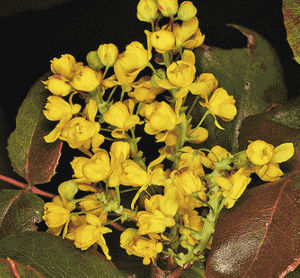
The ideal period for moving creeping barberry is late spring, providing warm ground and ample development time. Select a location that receives full sun to partial shade and has soil that drains effectively. Ensure the soil remains damp following the transplant to foster its settling.
Necessary Preparations Before Relocating Creeping Barberry?
Optimal Timing for Moving Creeping Barberry?
The most opportune time to move creeping barberry is during the mild warmth of early summer. This provides creeping barberry ample opportunity to develop robust roots prior to winter. Enjoy your gardening!
Recommended Spacing Between Creeping Barberry Plants?
When preparing to relocate your creeping barberry, ensure a minimum of 2-3 feet (60-91 cm) between each plant. This spacing will allow your plants sufficient room to expand and flourish!
Ideal Soil Blend for Creeping Barberry Relocation?
Prepare the soil for your creeping barberry by blending well-draining soil with a balanced base fertilizer. Aim for slightly acidic to neutral pH levels. Creeping barberry thrives in rich, loamy soil that drains effectively!
Choosing a New Location for Your Creeping Barberry?
Select a site for your creeping barberry where it will receive full to partial sun; this will aid in its beautiful growth. If feasible, aim for a spot with morning sun and some afternoon shade!
Equipment Required Before Relocating Creeping Barberry?
Gardening Gloves
To safeguard your hands while handling the root ball and soil.
Spade or Shovel
To carefully excavate the creeping barberry without harming its root ball.
Garden Trowel
A smaller implement for digging and refining the new planting hole for creeping barberry.
Wheelbarrow or Tub
To transport the creeping barberry plant from its original spot to the new one.
Garden Hose or Watering Can
To hydrate the plant both before and after the relocation process.
Garden Shears
Useful for trimming the plant if needed.
Mulch
To apply to the transplanted area after planting for moisture retention.
Stake and Ties
If the plant is taller and requires support.
How to Extract Creeping Barberry from the Ground?
How to Extract Creeping Barberry from the Ground?
From Ground: First, water the creeping barberry plant to moisten the soil. This will facilitate digging and reduce the risk of excessive root disturbance. Use a spade or shovel and begin digging a circle around the plant, ensuring the hole is wide enough to keep the entire root ball intact. Gradually dig deeper and work the spade beneath the root ball. Once confident that the full root ball is loose, carefully lift the plant from the hole.From Pot: Water the creeping barberry plant until the soil is thoroughly saturated. Tilt the pot sideways and gently pull the plant by grasping the base of the stems. If the plant is stuck, you can run a knife or trowel along the inner edge of the pot to loosen it.From Seedling Tray: Water the tray to dampen the soil. Carefully hold the creeping barberry by its leaves (not the stem), and use a tool, such as a gardening dibber or pencil, to push up on the root ball from below. Lift it slowly and avoid touching the delicate roots.
Step-by-Step Guide for Relocating Creeping Barberry
Preparation
Using your garden trowel, excavate a hole that is the same depth as the creeping barberry's root ball and twice its width. The wide hole will provide ample space for the roots to spread and establish themselves.
Positioning the creeping barberry
Place the creeping barberry in the center of the hole. The top of the plant's root ball should be level with or slightly below the surrounding soil.
Backfilling
Refill the hole around the creeping barberry, breaking up any large soil clumps. Gently firm down the soil but do not compact it too tightly; leave some loose soil for the roots to expand.
Watering
Water the plant immediately after relocation to settle the soil and provide the roots with essential moisture.
Mulching
Apply mulch around the plant to help retain moisture and inhibit weed growth. Mulch should be placed a few centimeters away from the plant's stems to prevent rot.
Post-Relocation Care for Creeping Barberry?
Watering
Consistent watering is crucial after relocation. Avoid allowing the soil to dry out during the initial weeks.
Pruning
If you observe any dead or dying leaves, feel free to trim them. This will help the creeping barberry direct its energy towards new growth.
Monitoring
Watch for any indications of transplant shock, which may include wilting, yellowing leaves, or a lack of new growth. If noticed, try adjusting watering routines and ensure the plant is in a suitable environment.
Protection
If, during the early days, the plant leans or bends, provide support using a stake and ties.
Resolving Common Issues with Creeping Barberry Relocation.
When is the optimal time to relocate creeping barberry?
The best time to relocate creeping barberry is typically in S3, as it's the ideal season for this activity.
What spacing should I maintain between each creeping barberry during relocation?
Leaving approximately 2 to 3 feet or roughly 60 to 90 centimeters between each creeping barberry during relocation would be most suitable.
Which soil types are best for relocating creeping barberry?
Creeping barberry can tolerate a wide range of soil types, but well-drained soil, whether sandy, clayey, or silty, is perfect for successful relocation.
What is the correct procedure for removing creeping barberry from its original spot?
Water the creeping barberry before extracting it from its initial location. Use a spade to dig around the rootball, taking care to avoid root damage.
How deep should I dig the hole when relocating the creeping barberry?
You should dig a hole that is at least twice as wide and as deep as the rootball of your creeping barberry. This usually means around 1-2 feet or 30-60 centimeters deep.
What actions should I take after placing creeping barberry in the relocation hole?
After placing creeping barberry in the relocation hole, backfill it with the previously removed soil. Water it thoroughly and add mulch around the base to preserve soil moisture.
What is the ideal watering schedule for creeping barberry after relocation?
Water the relocated creeping barberry thoroughly immediately after relocation. Afterward, water it regularly for the first few weeks, then gradually decrease the frequency.
Should I prune creeping barberry before relocating?
Pruning is not typically required before relocation. However, if creeping barberry is diseased or excessively overgrown, then some light pruning might be beneficial.
How can I ensure the creeping barberry will not experience transplant shock?
To prevent transplant shock, try to minimize root disturbance during the relocation. Additionally, water the creeping barberry thoroughly during the first few weeks following relocation.
Should I stake the creeping barberry after relocation?
Creeping barberry is a low-growing plant, and therefore staking is not typically necessary. However, in high wind areas, light staking might be advantageous to prevent damage.



