How to Transplant Leatherleaf mahonia?
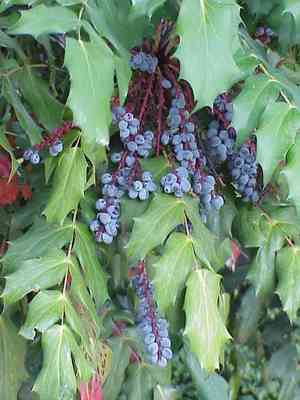
The ideal period for relocating leatherleaf mahonia is in early spring, as temperatures begin to rise. This species flourishes in areas offering partial or complete shade, provided the soil drains effectively. During the transplanting process, ensure you carefully manage the root mass to lessen the plant's distress.
What Preparations are Needed Before Transplanting Leatherleaf Mahonia?
What is the Ideal Time for Transplanting Leatherleaf Mahonia?
The optimal period to relocate your leatherleaf mahonia is from early to mid-spring, allowing it to establish effectively. Moving leatherleaf mahonia during this timeframe minimizes shock, promotes quicker recovery, and encourages vigorous development, enhancing your garden with its distinct texture and hue. Prepare your gardens, as it's time to transplant your leatherleaf mahonia!
How Much Space Should You Leave Between Leatherleaf Mahonia Plants?
For your beautiful leatherleaf mahonia plants, it's advisable to provide ample room for growth. Aim to transplant them approximately 3-4 ft (0.9-1.2 m) apart. This spacing allows their roots to spread and ensures they have sufficient area!
What is the Best Soil Mix for Leatherleaf Mahonia Transplanting?
To create an optimal environment for your leatherleaf mahonia plants, select a well-draining soil, ideally enriched with some organic matter. Begin by incorporating a phosphorus-rich base fertilizer into the soil before transplanting.
Where Should You Relocate Your Leatherleaf Mahonia?
Your leatherleaf mahonia will flourish in a location with partial to full shade. This means receiving about 4-6 hours of sunlight daily, preferably during the morning or late afternoon. Excessive direct sun can negatively impact their growth! Happy planting!
What Equipments Should You Prepare Before Transplantation Leatherleaf Mahonia?
Gardening Gloves
To safeguard your hands while handling soil and plants.
Shovel or Spade
To excavate the root ball of leatherleaf mahonia and prepare the planting hole.
Trowel
For precise digging and relocating smaller plants.
Pruning Shears
To remove any dead or damaged roots and foliage for healthy development.
Garden Fork
To loosen and aerate the soil at the new planting site.
Watering Can or Hose
For hydrating the plant before and after relocation.
Mulch
To help regulate soil temperature, retain moisture, and inhibit weed growth.
How Do You Remove Leatherleaf Mahonia from the Soil?
How Do You Remove Leatherleaf Mahonia from the Soil?
From Ground: First, water the leatherleaf mahonia plant to moisten the soil. Then, dig a wide trench around the plant using a shovel or spade, ensuring the plant's root ball remains intact. Carefully work the spade beneath the root ball to lift the plant from its original spot.From Pot: Check if the leatherleaf mahonia plant is root-bound, indicated by roots circling the pot's edges. To extract the plant from the pot, water it thoroughly and gently tap the pot's sides to loosen the soil and roots. Place one hand over the pot's opening and carefully invert the pot so the plant, with its intact root ball, slides into your hand.From Seedling Tray: Water the leatherleaf mahonia seedlings well before attempting to remove them from the tray. Use the trowel to gently loosen the soil around each seedling, being careful not to harm any roots. Use your fingers or the trowel to gently lift the seedling out, holding it by the root ball, not the stem or leaves.
Step-by-Step Guide for Transplanting Leatherleaf Mahonia
Preparation
First, thoroughly water your leatherleaf mahonia plant, whether it's in the ground, a pot, or a seedling tray. This will facilitate easier removal and reduce stress on the plant.
Site Preparation
Prepare the new planting location by using a garden fork to loosen and aerate the soil. Dig a hole wide and deep enough to accommodate the leatherleaf mahonia's root ball.
Root Pruning
Use pruning shears to trim away any dead, damaged, or excessively long roots from the root ball.
Positioning
Place the leatherleaf mahonia plant in the prepared hole, ensuring the top of the root ball is level with the soil surface. Gently backfill the hole with soil, being careful not to compact the soil too much around the plant.
Watering
Water the leatherleaf mahonia plant thoroughly to help settle the soil around the root ball and minimize transplant shock.
Mulching
Add a layer of mulch around the plant to help retain moisture and suppress weeds. Avoid placing mulch directly against the stem.
How Do You Care For Leatherleaf Mahonia After Transplanting?
Support
Provide adequate support for the leatherleaf mahonia plant if it is tall or susceptible to wind damage by utilizing stakes or a trellis system.
Watering
Water the leatherleaf mahonia plant consistently during the initial weeks after transplanting, ensuring the soil remains moist, but not waterlogged. Gradually decrease the frequency over time as the plant becomes established.
Pruning
Regularly remove dead leaves and branches to encourage healthy growth and air circulation.
Inspecting
Monitor for pests and diseases and take prompt action if any issues are detected, such as employing organic or chemical treatments to safeguard the plant.
Adapting
Observe the overall health and growth of the leatherleaf mahonia plant and adjust care as necessary to ensure it thrives in its new location, such as modifying the watering schedule or providing additional support.
Troubleshooting Common Issues with Leatherleaf Mahonia Transplantation.
When is the best time to transplant leatherleaf mahonia?
The optimal period to relocate your leatherleaf mahonia is during the transition from winter to spring, ideally early to mid-spring.
How much spacing is required when transplanting leatherleaf mahonia?
Maintain a distance of 3-4 ft (0.9-1.2 m) between each leatherleaf mahonia plant. This ensures the plants have sufficient room to grow and thrive without overcrowding.
What should the depth of the hole be when transplanting leatherleaf mahonia?
Dig a hole that is both wider and deeper than the root ball. Typically, twice the width and the same depth as the root system (in inches/cm) is ideal.
What type of soil is optimal for transplanting leatherleaf mahonia?
Leatherleaf mahonia thrives best in well-drained, acidic to neutral soil. Ensure the soil is rich, loamy, and not overly saturated with water to promote healthy growth.
How often should I water leatherleaf mahonia after transplantation?
Water your leatherleaf mahonia thoroughly immediately after transplanting, and keep it moist, but not waterlogged, for the first few weeks until new growth appears.
How do I take care of leatherleaf mahonia immediately after transplantation?
Water it generously and apply a layer of mulch around, but not touching, the plant's base. This helps to retain moisture and regulate temperature.
How much light does leatherleaf mahonia need post-transplantation?
Leatherleaf mahonia prefers partly shaded to full sun locations. Too much direct sunlight can cause damage, so choose a spot wisely when transplanting.
Can I fertilize leatherleaf mahonia immediately after transplanting?
Wait until you observe new growth before fertilizing your transplanted leatherleaf mahonia. Over-fertilizing too soon can cause harm.
How do I ensure that leatherleaf mahonia thrives after transplanting?
Regular watering, periodic fertilization, and annual pruning are essential. Monitor the plant for signs of stress or disease and act promptly if spotted.
What are some common signs of distress in transplanted leatherleaf mahonia?
Watch out for foliage discoloration, wilting, or a noticeable decrease in growth rate. These can indicate transplant shock and require immediate attention.



