How to Transplant Tuberous begonia?
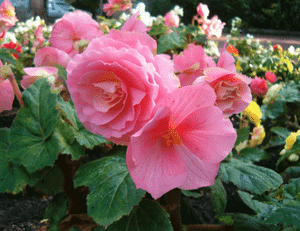
The most favorable period for transplanting tuberous begonia is at the onset of warmer periods, generally from late spring through early summer, when their development becomes robust. Placing tuberous begonia in partially shaded areas with soil that drains effectively promotes flourishing. Gradually introduce tuberous begonia to outdoor conditions if they have been cultivated indoors.
What Preparations are Needed Before Transplanting Tuberous Begonia?
What is the Ideal Time for Transplanting Tuberous Begonia?
The optimal period for moving tuberous begonia is when late spring's warmth transitions smoothly into early summer. This timeframe offers the perfect balance of mild evenings and rising temperatures, giving tuberous begonia a strong start. Relocating during this window encourages robust root development, leading to lush growth. This timing aligns with tuberous begonia's natural growth cycle, ensuring a smooth adaptation to its new setting.
How Much Space Should You Leave Between Tuberous Begonia Plants?
When you're ready to plant your tuberous begonia, remember to provide ample room for them to thrive. The recommended spacing is between 1-2 feet (30-60 cm). This will allow their roots to spread and support healthy plant development.
What is the Best Soil Mix for Tuberous Begonia Transplanting?
Prior to planting your tuberous begonia, prepare the soil by selecting a well-draining mixture rich in organic matter. A foundational fertilizer with high phosphorus content will aid in establishing a strong root system.
Where Should You Relocate Your Tuberous Begonia?
Regarding the appropriate spot for your tuberous begonia, it truly thrives in a location with ideal partial shade. Direct sunlight might scorch its leaves, so it's best to avoid it! Enjoy your gardening endeavors!
What Equipments Should You Prepare Before Transplantation Tuberous Begonia?
Gardening gloves
To safeguard your hands when working with soil and the tuberous begonia plant.
Shovel
For excavating the hole to place your tuberous begonia and extracting it from its current spot.
Garden trowel
To make precise adjustments to the planting hole.
Bucket
To transport and blend compost, if you opt to use it.
Hose or watering can
For hydrating the plant after its relocation.
Stakes
To provide support for your tuberous begonia plant as it establishes its roots in the new site.
How Do You Remove Tuberous Begonia from the Soil?
How Do You Remove Tuberous Begonia from the Soil?
From Ground: If your tuberous begonia plant is already in the ground, first saturate the surrounding soil; this will loosen it and minimize the risk of root damage during excavation. Use a shovel to dig a wide circle around the plant, large enough not to disturb the root system. Gently lift the plant from the ground, ensuring the root ball remains intact.From Pot: If the plant is in a container, water it thoroughly before starting the transplant process. Turn the pot on its side, hold the plant carefully by the stems, and tap the pot's bottom until the plant slides out. Avoid pulling the plant, as this can harm the stem and root system.From Seedling Tray: If you are removing your tuberous begonia plant from a seedling tray, water the tray to loosen the potting mix before transplant. Hold the seedling by its leaves (never by the stem) and use a dibber or pencil to push up from the base to extract the tuberous begonia plant.
Step-by-Step Guide for Transplanting Tuberous Begonia
Preparation
Excavate a hole twice the width of your tuberous begonia's root ball. The depth of the hole should also match the root ball's height.
Transplanting
Carefully position the tuberous begonia in the hole, ensuring the top of the root ball is flush with the ground. Backfill the hole with soil, gently firming it as you proceed.
Watering
After planting, thoroughly water your tuberous begonia and apply a layer of mulch around its base to retain moisture.
Supporting
Depending on the plant's size and structure, it may be necessary to stake your tuberous begonia to support it while it develops roots in its new location.
How Do You Care For Tuberous Begonia After Transplanting?
Watering
Keep the soil around your tuberous begonia consistently moist, but not waterlogged. Watering frequency may vary based on the climate.
Fertilizing
Approximately two weeks post-transplant, feed your tuberous begonia with a balanced, slow-release fertilizer to supply essential nutrients that promote root development and new growth.
Monitoring
Observe your tuberous begonia plant for indications of stress, such as wilting or yellowing foliage. If these signs appear, adjust your care according to the plant's specific requirements.
Pruning
Remove dead or discolored leaves for the plant's overall health and to encourage new growth. Be careful not to over-prune your tuberous begonia plant, as this can cause stress.
Troubleshooting Common Issues with Tuberous Begonia Transplantation.
Whatâs the ideal timing to transplant tuberous begonia?
The best seasons to transplant tuberous begonia are late summer to early fall (S3-S4). Waiting until cooler temperatures arrive ensures better plant establishment.
How much space should I place between each tuberous begonia while transplanting?
Each tuberous begonia plant should ideally be spaced 1-2 feet (30-60 cm) apart. This provides adequate room for growth and prevents overcrowding.
Why are the leaves on my transplanted tuberous begonia turning yellow?
Yellowing leaves might indicate water stress. Tuberous begonia prefers well-drained soil. Excessive watering or poor drainage can lead to saturated roots, causing leaves to yellow.
Is there a specific depth to plant tuberous begonia for successful transplantation?
Position tuberous begonia so the top of its root ball is level with the soil surface. Planting too deeply can cause rot, while too shallow can lead to plant dehydration.
How can I make the soil more suitable for tuberous begonia transplantation?
Tuberous begonia requires well-drained soil. You can incorporate organic matter like compost or aged manure to enhance soil structure. If drainage is an issue, raised beds can be beneficial.
Is there any special care required post transplantation of tuberous begonia?
Keep newly transplanted tuberous begonia well-hydrated but not waterlogged. Gradually reduce watering as the plant settles. Apply a layer of mulch to keep roots cool and conserve moisture.
My tuberous begonia is not flowering after transplantation, what should I do?
Ensure that tuberous begonia receives sufficient sunlight, as tuberous begonia needs partial to full sun to bloom. Avoid over-fertilization; too much nitrogen can promote leaf growth over flower production.
How to harden off tuberous begonia before transplanting?
Begin by placing tuberous begonia outdoors in a shaded or protected area for a few hours daily, then progressively increase light and exposure over a week before transplanting.
How to handle tuberous begonia roots during transplanting?
Handle tuberous begonia roots gently to prevent damage. Spread roots out in the hole, firm the soil carefully around them, and water thoroughly to eliminate air pockets.
Should I prune tuberous begonia before or after transplanting?
Trim dead or damaged roots before transplanting tuberous begonia. Wait until new growth appears to prune the top. Pruning encourages healthier, bushier development.



