How to Transplant Iron Cross Begonia?
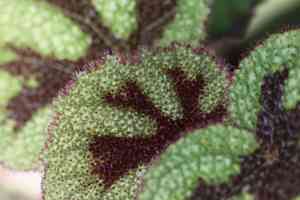
The most suitable period for relocating Iron Cross Begonia is from early to mid-spring, when temperatures are moderate and root development is vigorous. Select a spot with partial shade and rich, well-draining soil. To achieve peak growth, only move robust, mature specimens, making sure they get sufficient hydration after placement.
What Preparations are Needed Before Transplanting Iron Cross Begonia?
What is the Ideal Time for Transplanting Iron Cross Begonia?
When spring arrives, specifically during its early to mid-stages, it's optimal to move your iron Cross Begonia. This period is most advantageous as it allows iron Cross Begonia to establish itself well before the summer heat. Benefits include warm soil promoting robust root development and mild temperatures preventing transplant shock. With this timing, your iron Cross Begonia has the best chance to thrive!
How Much Space Should You Leave Between Iron Cross Begonia Plants?
When relocating iron Cross Begonia, provide ample room for growth by spacing them 6-12 inches (15-30 cm) apart. This ensures sufficient space for their foliage and roots to expand, preventing overcrowding.
What is the Best Soil Mix for Iron Cross Begonia Transplanting?
Prepare the soil for iron Cross Begonia using a well-draining blend of equal parts peat moss, perlite, and potting soil. Additionally, incorporate a slow-release granular fertilizer to supply vital nutrients for healthy development.
Where Should You Relocate Your Iron Cross Begonia?
For optimal results, move iron Cross Begonia to a spot receiving bright, indirect light. Excessive direct sun can scorch the leaves, so select a location near a bright window or beneath the dappled shade of larger plants.
What Equipments Should You Prepare Before Transplantation Iron Cross Begonia?
Spade or Shovel
To excavate the hole and carefully extract the plant from its original position without harming the root system.
Gardening Gloves
To safeguard your hands while handling soil and plants.
Garden Trowel
Smaller than a spade, it's used for loosening earth, digging small holes, especially for removing the iron Cross Begonia from containers or seed trays.
Watering Can
Essential for maintaining soil moisture levels and for hydrating the plant prior to transplanting.
Mulch
Helps in retaining moisture in the soil around the newly relocated iron Cross Begonia plant.
Bucket or Pot
A receptacle to hold the plant, preventing damage during transfer.
How Do You Remove Iron Cross Begonia from the Soil?
How Do You Remove Iron Cross Begonia from the Soil?
From Ground: Begin by watering the iron Cross Begonia plant; this helps keep the root ball intact. Use the spade to dig a wide trench around the plant, ensuring no damage to the root system. Gently lift the plant from the soil.From Pot: Water the plant and allow it to sit for a few minutes. Wearing your garden gloves, invert the pot while holding your hand over the soil. The iron Cross Begonia should slide out easily. If not, tap lightly on the pot's base.From Seedling Tray: Water the seedlings to moisten the soil. Use the gardening trowel to carefully lift the iron Cross Begonia plant from the tray, taking care not to harm the delicate roots.
Step-by-Step Guide for Transplanting Iron Cross Begonia
Preparation
Water the iron Cross Begonia plant the day before the transplanting process. This facilitates easier removal and reduces stress on the plant.
Transplanting Hole
Dig a hole using the spade. The hole should be twice the width of the plant's root ball and match its height.
Placing the Plant
Position the iron Cross Begonia plant in the hole, ensuring it stands upright. Make sure the top of the root ball is level with the soil surface.
Filling and Firming
Fill the hole halfway with garden soil, ensuring it surrounds the root ball. Firm the soil around the roots, but avoid excessive compaction.
Watering
Thoroughly water the iron Cross Begonia plant with a watering can, allowing the water to soak in, then fill the remainder of the hole with soil.
Mulching
Apply a layer of mulch around the plant, which will aid in moisture retention.
How Do You Care For Iron Cross Begonia After Transplanting?
Watering
Keep the soil consistently moist, but prevent waterlogging. The iron Cross Begonia plant prefers evenly damp soil, especially during the initial weeks post-transplant.
Mulching
Reapply mulch as needed, maintaining a 2-inch layer around the iron Cross Begonia but not touching the stem. This helps control weed growth and maintain soil moisture.
Monitoring
Observe the plant daily for any signs of transplant shock such as wilting, yellowing, or drooping. These symptoms might indicate a need to adjust the watering schedule or an unsuitable location. Also, frequently check for pests.
Troubleshooting Common Issues with Iron Cross Begonia Transplantation.
When's the best time to transplant iron Cross Begonia?
The ideal period to give iron Cross Begonia a new home would arguably be the revitalizing timeframe from early to mid-spring.
How do I tell if iron Cross Begonia is ready to be transplanted?
When iron Cross Begonia's roots begin to outgrow its current container, or if the plant appears overly crowded, it's a clear sign it needs more space.
What's the suitable distance when planting multiple iron Cross Begonia together?
A harmonious arrangement for iron Cross Begonia would be when they're placed approximately 6-12 inches (15-30 cm) apart. This provides ample room for their development.
How should I prepare the new pot for iron Cross Begonia?
Give iron Cross Begonia a comfortable start by filling the pot halfway with well-draining soil, then positioning the plant and adding more soil without burying the stem.
Do I need to water iron Cross Begonia right after transplanting?
Iron Cross Begonia would appreciate a thorough watering immediately after relocation. This helps settle the soil and accelerates the adaptation process.
What if the leaves of iron Cross Begonia start to wilt after transplantation?
Wilting could be due to transplant shock. Keep iron Cross Begonia in a partially shaded location and maintain consistent watering for recovery.
Why are the leaves of iron Cross Begonia turning yellow post-transplant?
Overwatering might be the cause of yellow leaves. Ensure iron Cross Begonia has proper drainage to prevent waterlogged soil.
Can I prune iron Cross Begonia right after transplanting? Is it beneficial?
Pruning immediately after repotting is not recommended as iron Cross Begonia needs all its energy to establish roots. Pruning later helps redirect energy to new growth.
What if iron Cross Begonia doesnât seem to grow after transplantation?
Patience is crucial after repotting. If growth remains stagnant after a few weeks, lightly fertilize iron Cross Begonia to provide essential nutrients.
Does the size of the transplant hole matter when planting iron Cross Begonia?
Yes, a correctly sized hole is vital. It should be wide and deep enough to comfortably accommodate the existing root ball of iron Cross Begonia.



