How to Transplant Brazilian begonia?
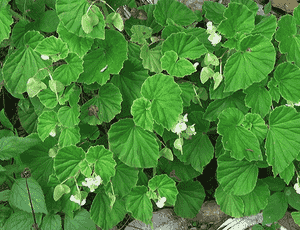
The ideal window for relocating brazilian begonia spans from the revitalizing days of early spring through the beginning of summer, ensuring optimal root development. Choose a location that receives partial shade and possesses soil with good drainage. Should it be necessary, enrich the area with compost to foster robust development.
What Preparations are Needed Before Transplanting Brazilian Begonia?
What is the Ideal Time for Transplanting Brazilian Begonia?
For brazilian begonia, the perfect period for relocation spans from early spring to its peak. Moving brazilian begonia during this phase guarantees a smooth transition, utilizing the mild temperatures and increasing daylight, which together create an ideal setting for root development and adaptation. This gentle season aids brazilian begonia's recovery from transplant shock, promoting strong growth and preparing for a vibrant display.
How Much Space Should You Leave Between Brazilian Begonia Plants?
When preparing to rehouse your brazilian begonia, maintain a comfortable distance of approximately 12-16 inches (30-40 cm) between each specimen. This spacing is optimal for their growth and expansion!
What is the Best Soil Mix for Brazilian Begonia Transplanting?
For your brazilian begonia, prepare a comfortable spot with soil that drains well and is rich in organic matter. A small amount of balanced, slow-release fertilizer will give them an excellent start, consider it their welcoming meal!
Where Should You Relocate Your Brazilian Begonia?
Find a pleasant location for your brazilian begonia where the sun gently touches them with partial shade. Excessive sun exposure can cause sunburn, so just the right amount of filtered light will keep them content!
What Equipments Should You Prepare Before Transplantation Brazilian Begonia?
Gardening Gloves
To safeguard your hands while handling soil and plants.
Shovel or Spade
For excavating the plant and preparing a new planting site.
Watering Can or Garden Hose
To hydrate the plant before and after its relocation.
Pruners or Scissors
For trimming any damaged roots or foliage.
Garden Trowel
To assist in moving smaller plants or refining the new planting hole.
Measuring Tape
To ensure the correct depth and spacing when digging the new hole.
Wheelbarrow or Garden Cart
For transporting the plant and soil.
Soil Amendment
To enrich the soil if necessary after transplanting.
How Do You Remove Brazilian Begonia from the Soil?
How Do You Remove Brazilian Begonia from the Soil?
From Ground: First, moisten the brazilian begonia's soil to make it more manageable. Use a shovel to dig a wide trench around the plant, being careful not to harm the root ball. Once you've created space, slide the spade beneath the root ball to lift the brazilian begonia from its spot.From Pot: Water the brazilian begonia to ensure the soil is damp. Gently tap the pot's sides and bottom to loosen the soil. Tilt the pot and carefully slide the brazilian begonia out, supporting the plant's base and soil to prevent root ball breakage.From Seedling Tray: Dampen the soil for easier removal. Use a garden trowel or your fingers to gently lift the brazilian begonia from its compartment, ensuring you extract as much of the root system as possible.
Step-by-Step Guide for Transplanting Brazilian Begonia
Prepare New Hole
Dig a hole in the ground that is twice as wide and as deep as the brazilian begonia's root ball.
Root Ball Inspection
Examine the root ball for any signs of damage or disease and gently trim damaged roots with pruners or scissors.
Placement Into Ground
Position the brazilian begonia in the center of the new hole, ensuring it stands upright and at the same depth it was previously growing.
Backfilling
Carefully backfill the hole with the excavated soil or soil amendment. Gently firm the soil around the plant to eliminate air pockets.
Watering In
Thoroughly water the brazilian begonia to settle the soil around the roots and hydrate the plant.
Stabilization
If the brazilian begonia is tall or unstable, use supports like stakes to help it remain upright until it establishes itself.
How Do You Care For Brazilian Begonia After Transplanting?
Pruning
Trim back any excess foliage to reduce water loss and direct growth energy towards root development.
Watering Review
Ensure the brazilian begonia receives sufficient water without becoming waterlogged to encourage root establishment. Consistency is crucial.
Stabilization Review
Regularly check any stakes or supports and adjust them as the brazilian begonia grows. Remove them once the plant is self-sufficient and strong enough.
Mulching
Apply mulch around the base to help retain soil moisture, regulate temperature, and suppress weeds.
Initial Feeding Avoidance
Do not fertilize immediately after transplanting to prevent root burn; allow the plant to settle first.
Troubleshooting Common Issues with Brazilian Begonia Transplantation.
How do I know when it's the best time to transplant brazilian begonia?
It is best to relocate brazilian begonia during the onset of growth, typically from early to mid-spring.
What spacing is needed between brazilian begonia when transplanting?
Ensure to provide brazilian begonia ample room to thrive by spacing them 12-16 inches (30-40 cm) apart.
What should I do if brazilian begonia wilts after transplanting?
Wilting can indicate stress. Keep the soil moist and ensure it's protected from intense sunlight.
Should brazilian begonia's root ball be disturbed during transplanting?
Minimize disturbance to the root ball. If roots are compacted, gently loosen the outer roots to promote growth.
How deep should I plant brazilian begonia?
Plant brazilian begonia at the same depth it was in its previous container to prevent stem rot or dry roots.
How much sunlight does brazilian begonia need after transplanting?
Brazilian begonia thrives in partial shade. Too much direct sunlight might stress the plant post-transplant.
What type of soil is best for transplanting brazilian begonia?
Use a rich, well-draining soil mix. Brazilian begonia dislikes being waterlogged.
Can I transplant brazilian begonia during hot weather?
Transplanting brazilian begonia during extreme heat can increase stress. Aim for cooler days, ideally within the recommended spring period.
How do I water brazilian begonia after transplanting?
Keep the soil consistently moist without overwatering. Use a gentle spray to avoid disturbing the roots.
Why are brazilian begonia's leaves turning yellow after transplanting?
Yellowing leaves may signal overwatering or a lack of nutrients. Review watering habits and consider a light fertilizer.



