How to Transplant Bonsai begonia?
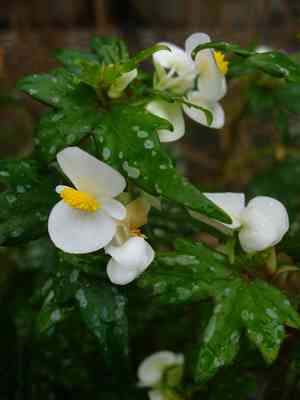
For bonsai begonia, the ideal period for root development spans from the onset of early spring through the conclusion of late spring. Select a site providing ample, diffused illumination and verify that the substrate drains efficiently. A helpful tip: maintaining average humidity aids bonsai begonia's flourishing after repotting.
What Preparations are Needed Before Transplanting Bonsai Begonia?
What is the Ideal Time for Transplanting Bonsai Begonia?
The perfect period to relocate bonsai begonia spans from the beginning of spring until its conclusion. This timing enables bonsai begonia to establish roots comfortably in milder temperatures prior to the summer heat. Moving it within this timeframe grants bonsai begonia sufficient opportunity to develop a robust root system, crucial for enduring the hotter months ahead. Transplanting bonsai begonia during this season aligns with its natural growth cycle, fostering a smooth transition and strong development.
How Much Space Should You Leave Between Bonsai Begonia Plants?
Carefully position your bonsai begonia with a gentle touch, maintaining a comfortable distance of approximately 12-15 inches (30-38 cm) between them. This provides your small green companion ample room to expand and thrive without feeling confined.
What is the Best Soil Mix for Bonsai Begonia Transplanting?
For your bonsai begonia, imagine a growing medium as soft and nourishing as a cloud. Incorporate rich, well-draining soil with a hint of organic compost or a balanced, slow-release fertilizer to prepare a welcoming environment.
Where Should You Relocate Your Bonsai Begonia?
Locate a spot with filtered sunlight where the rays playfully appear and disappear, ideal for your bonsai begonia. This specific location should mimic the warmth of dawn, protected from the intense midday sun.
What Equipments Should You Prepare Before Transplantation Bonsai Begonia?
Gardening Gloves
To safeguard your hands while handling soil and plants.
Hand Trowel
For excavating and moving soil within the planting area.
Shovel or Garden Spade
To dig the hole for relocating the bonsai begonia.
Pruning Shears
To trim any dead or excess foliage or roots prior to transplanting.
Watering Can or Hose with a Gentle Spray Setting
To hydrate the bonsai begonia before and after its relocation.
Rooting Hormone (optional)
To stimulate root growth following transplantation.
Soil Knife or Horihori
To assist in removing the plant from its container without harming the roots.
Wheelbarrow or Plant Tray
For transporting the bonsai begonia and the soil.
How Do You Remove Bonsai Begonia from the Soil?
How Do You Remove Bonsai Begonia from the Soil?
From Pot: Start by watering the bonsai begonia to ensure the soil is damp, which helps the roots slide out more easily. Invert the pot and tap its edges to loosen the plant. If needed, use the soil knife to gently separate the root ball from the pot's sides. Slowly tilt the pot to slide the bonsai begonia out into your hand or onto a soft surface.From Seedling Tray: Water the bonsai begonia seedlings first. Use a hand trowel or a spoon to carefully lift the seedling, making sure to keep as much of the root and soil intact as possible.From Ground: If the bonsai begonia is already in the ground, water it thoroughly. Carefully dig a circle around the plant, leaving a generous amount of soil around the root ball. Use the shovel or spade to lift the root ball from underneath, keeping it intact as you move it from the ground.
Step-by-Step Guide for Transplanting Bonsai Begonia
Transplant Timing
Choose a cool or overcast day to move your bonsai begonia to minimize stress on the plant.
Prepare New Location
Excavate a hole where you plan to relocate the bonsai begonia, making it deep enough to accommodate the root ball and twice its width.
Root Pruning
Gently trim any broken or overly long roots with pruning shears, being careful not to damage the healthy root system.
Apply Rooting Hormone (optional)
Dust the root ball with rooting hormone to encourage root development, following product instructions.
Placing the Plant
Position the bonsai begonia in the center of the new hole. Adjust the depth so it sits at the same level it was growing before or slightly higher.
Backfill Soil
Carefully refill the hole with soil, lightly pressing around the plant to eliminate air pockets without overly compacting the soil.
Water Thoroughly
Immediately water the bonsai begonia after planting to help settle the soil around the roots and provide essential moisture for recovery.
Initial Support
If necessary, stake the bonsai begonia or use a plant cage to offer support as it adjusts to its new environment.
How Do You Care For Bonsai Begonia After Transplanting?
Mulching
Apply a layer of mulch around the base of the bonsai begonia to help retain moisture, regulate soil temperature, and reduce weed competition.
Monitoring
Keep a close watch on the bonsai begonia for signs of transplant shock, such as wilting or yellowing leaves, and intervene if necessary.
Watering
Consistently maintain soil moisture around the bonsai begonia without overwatering, especially during the initial weeks after transplanting.
Pruning
Only remove dead or damaged leaves to allow the bonsai begonia to focus its energy on establishing new roots and foliage.
Troubleshooting Common Issues with Bonsai Begonia Transplantation.
What's the best time of year to transplant bonsai begonia?
Relocate bonsai begonia during early to late spring when growth begins, ensuring better root establishment.
How far apart should I space my bonsai begonia when transplanting?
Space your bonsai begonia 12-15 inches (30-38 cm) apart to give them ample room to thrive.
How deep should the hole be for transplanting bonsai begonia?
The hole should be slightly larger than the root ball, allowing roots to spread easily.
Should I water my bonsai begonia immediately after transplanting?
Yes, water gently to settle the soil around the roots and hydrate the plant.
What kind of light is best for bonsai begonia after transplanting?
Provide bonsai begonia with bright, indirect light to help it acclimate without causing leaf burn.
How do I know if my bonsai begonia has transplant shock?
Signs include wilting, yellowing leaves, or slowed growth. Keep the transplanting process gentle.
Can I fertilize bonsai begonia right after transplanting?
Wait a few weeks before fertilizing to avoid burning new roots; let it settle first.
What kind of soil is best for transplanting bonsai begonia?
Use a well-draining, fertile soil mix to provide the best start for bonsai begonia's roots.
How can I protect my bonsai begonia after transplanting?
Shield bonsai begonia from strong winds and extreme temperatures. Mulch can also help to retain moisture.
Why are the leaves of my transplanted bonsai begonia drooping?
Drooping can be due to transplant shock. Ensure proper watering and avoid direct sunlight initially.



