How to Transplant Wax begonia?
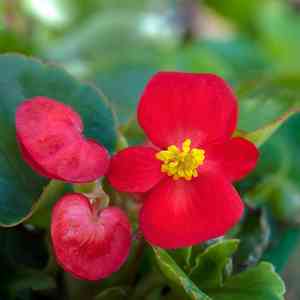
The optimal period for relocating wax begonia is from mid-spring through late spring, or mid-autumn through late autumn, when temperatures are mild. To achieve the best outcome, select a site providing soil with good drainage, partial shade, and sufficient humidity. When moving wax begonia, carefully manage its fragile root system to guarantee a smooth adaptation.
What Preparations are Needed Before Transplanting Wax Begonia?
What is the Ideal Time for Transplanting Wax Begonia?
The best period to move wax begonia is from mid to late spring or mid to late autumn. This allows the plant to develop robust roots before extreme temperatures. A healthy, timely transplant promotes vigorous growth.
How Much Space Should You Leave Between Wax Begonia Plants?
For wax begonia, maintain a distance of approximately 1 foot (30 cm) between each plant when relocating. This provides ample room for development and helps prevent diseases caused by overcrowding.
What is the Best Soil Mix for Wax Begonia Transplanting?
For wax begonia, prepare the soil by incorporating well-draining, fertile, humus-rich soil with a pH between 6.0 and 6.5. Apply a slow-release, all-purpose fertilizer as a base to encourage healthy growth.
Where Should You Relocate Your Wax Begonia?
To transplant wax begonia, select a spot that receives partial sun, ideally morning light, and some afternoon shade. This prevents the risk of overexposure and helps the plant thrive.
What Equipments Should You Prepare Before Transplantation Wax Begonia?
Gardening Gloves
To safeguard your hands while handling soil and plants.
Shovel or Spade
To excavate holes in the ground and extract the wax begonia from its original spot.
Hand Trowel
For precise digging and gently lifting seedlings.
Garden Fork
To loosen and aerate the soil.
Pruner
To trim any damaged roots or foliage.
Watering Can
To hydrate the wax begonia both before and after relocation.
Fertilizer (optional)
To encourage root development and overall plant vitality.
How Do You Remove Wax Begonia from the Soil?
How Do You Remove Wax Begonia from the Soil?
- From Ground:First, water the wax begonia plant to moisten the soil. Then, dig a wide trench around the plant using a shovel or spade, ensuring the plant's root ball remains intact. Carefully work the spade under the root ball to lift the plant from its original location.- From Pot:Gently water the wax begonia to moisten the potting mix, but avoid saturating it. Turn the pot on its side and gently squeeze the sides to loosen the root ball. If necessary, carefully slide a hand trowel between the root ball and the pot to help release the plant, taking care not to damage the roots.- From Seedling Tray:Use a hand trowel to gently lift individual wax begonia seedlings from the tray. Be cautious not to injure the delicate roots in the process. Keep the removed seedlings moist in a shaded area until they are ready to be transplanted.
Step-by-Step Guide for Transplanting Wax Begonia
Preparation
Ensure the planting site is ready with well-drained soil and adequate sunlight. Place the removed wax begonia in the shade temporarily to reduce stress.
Digging the Hole
Using a shovel or hand trowel, dig a hole that is twice the width and as deep as the root ball or planting container, to allow room for root expansion.
Prepping the Soil
If needed, mix organic matter or compost into the soil to enhance its quality and moisture retention.
Preparing the Plant
If the roots are tightly coiled or matted, gently untangle them with your fingers to promote proper growth. Trim any damaged or dead roots with a pruner.
Plant Placement
Position the wax begonia in the center of the hole, making sure the top of the root ball is level with the soil surface. Backfill as necessary to adjust the height.
Fill Hole
Fill the hole with soil, gently firming it around the base of the plant. Avoid compacting the soil tightly, as this can hinder root and water penetration.
Watering
Generously water the wax begonia, allowing the water to soak through the soil to the deeper roots. This helps to eliminate air pockets and ensure good soil contact.
Fertilizing (optional)
Apply a slow-release fertilizer or compost around the base of the wax begonia, following the manufacturer's instructions, to promote healthy root growth and development.
Mulching
Spread a 2-3 inch layer of organic mulch around the base of the plant to help retain soil moisture and regulate soil temperature.
How Do You Care For Wax Begonia After Transplanting?
Watering
Water the wax begonia consistently, keeping the soil evenly moist but not waterlogged during the first few weeks after transplanting, to help establish strong roots.
Pruning
Remove any yellowing or damaged leaves to encourage new growth and maintain the plant's health.
Monitoring
Keep an eye out for any signs of stress, pests, or diseases. Address issues promptly to ensure your wax begonia thrives in its new environment.
Fertilizing
After the first month, apply a balanced, slow-release fertilizer according to the manufacturer's instructions to encourage continuous, healthy growth.
Troubleshooting Common Issues with Wax Begonia Transplantation.
When is the best time to transplant wax begonia?
The ideal season for transplanting is mid to late spring, or mid to late fall.
What's the recommended spacing for wax begonia?
Space wax begonia approximately 1 foot (30 cm) apart for optimal growth.
How can I prepare the soil for transplanting wax begonia?
Enrich the soil with compost and ensure it's well-draining, with a slightly acidic pH of 6.0-6.5.
What's the best technique for removing wax begonia from its container?
Gently squeeze the container to loosen the soil, then carefully slide the plant out with minimal root disturbance.
How deep should I plant wax begonia in the new location?
Dig a hole large enough to accommodate the root ball, and plant wax begonia at the same depth it was in its container.
Are there any special care tips after transplanting wax begonia?
Water wax begonia well after transplanting, and give it partial shade to help it acclimate to its new surroundings.
How much water should I provide when transplanting wax begonia?
Water thoroughly, ensuring the soil is consistently moist but not soggy; adjust frequency as needed.
What do I need to know about fertilizing wax begonia after transplanting?
Apply a balanced, slow-release fertilizer after transplanting, following the package instructions for rates and frequency.
Can I transplant wax begonia from outdoor to indoor settings?
Yes, you can transplant wax begonia to indoor pots, ensuring proper drainage, and positioning it in a bright, filtered light location.
What should I do if wax begonia appears wilted after transplanting?
Keep the soil moist and provide partial shade until it recovers; wilting should resolve as the plant adapts to its new home.



