How to Transplant Ponytail palm?
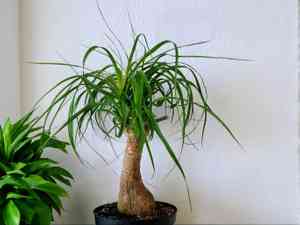
Relocate your ponytail palm to a new spot ideally between early and mid-spring, enabling it to acclimate prior to the summer warmth. Select a bright area with good drainage, and consider applying transplanting advice to guarantee a flourishing ponytail palm. Enjoy your gardening endeavors!
What Preparations are Necessary Before Relocating Ponytail Palm?
When is the Best Time to Relocate Ponytail Palm?
Initiate the relocation of ponytail palm from early to mid-spring. This timeframe offers an optimal setting for its development. Moving ponytail palm during this period ensures robust, lush development due to abundant sunlight, warm temperatures, and balanced moisture levels. As you get ready for relocation, remember, an early start allows our ponytail palm a full growing season to establish itself. So, let's begin this gardening journey together for our resilient ponytail palm's best head-start!
How Much Space Should You Provide Between Ponytail Palm Plants?
When relocating your ponytail palm, ensure it has ample room to expand. An optimal spacing is 4-5 feet (1.2-1.5 meters) from other plants, as this will provide sufficient area for its growth and maintain a healthy environment.
What is the Best Soil Mixture for Ponytail Palm Relocation?
For vigorous ponytail palm growth, utilize well-draining soil, and incorporate a slow-release granular 10-10-10 base fertilizer. This combination will supply essential nutrients and moisture retention while preventing root rot from excessive water.
Where Should You Move Your Ponytail Palm?
Select a spot for your ponytail palm with ample sun exposure. This plant flourishes in areas receiving at least 6-8 hours of direct sunlight daily. A location with partial shade during the hottest parts of the day is also suitable for optimal growth.
What Tools Should You Prepare Before Relocating Ponytail Palm?
Shovel or Spade
These are crucial implements for excavating the hole for your ponytail palm and for lifting the plant from its initial position.
Gardening Gloves
To safeguard your hands while handling the soil and plant material.
Pruning Shears
To neatly trim any damaged or excessively long roots prior to relocating your ponytail palm.
Watering Can
Required to hydrate the plant immediately after relocation and for ongoing maintenance.
Organic Compost
This will enrich the new site and help your ponytail palm to establish quickly.
How Do You Extract Ponytail Palm from the Soil?
How Do You Extract Ponytail Palm from the Soil?
From Ground: Initially, irrigate the ponytail palm plant to moisten the soil and facilitate removal. Subsequently, excavate a wide circle around the plant using a shovel or spade, taking care to keep the plant's root ball as intact as possible. Gently work the spade beneath the root ball to lift the plant from its original spot.From Pot: First, water the ponytail palm container to loosen the root ball. Turn the pot on its side, gently hold your plant at the base, and attempt to pull it out of the pot. If the ponytail palm plant is resistant, tap the sides of the pot to dislodge it.From Seedling Tray: Use a small trowel or your fingers to create a circle around the base of the ponytail palm, then carefully lift it from the tray, ensuring you retrieve as much root as possible without harming the delicate shoots.
Step-by-Step Guide for Relocating Ponytail Palm
Preparation
Clear any grass or weeds from the relocation site. Dig a hole that is twice as wide and nearly as deep as the ponytail palm's root ball.
Position the ponytail palm
Place the ponytail palm in the hole and backfill it with soil. Ensure the ponytail palm is upright and the top of the root ball is slightly above the surrounding soil.
Fill with Organic Compost
Fill the remainder of the hole with organic compost, gently firming it around the base of the ponytail palm.
Watering
Water the ponytail palm immediately after relocation, ensuring the water reaches the root level.
Ongoing Care
Trim any dead or dying fronds to direct energy towards new growth and establishing the root system after relocation.
How Do You Care For Ponytail Palm After Relocation?
Watering
Although ponytail palm are drought tolerant, they will require consistent watering post-relocation; ensure the root ball never completely dries out. As the plant establishes over several weeks, you can gradually reduce watering.
Pruning
Remove any yellowing leaves to channel the plant's energy towards new growth.
Temperature
Ponytail palm prefers warm conditions, so try to keep it away from drafts or heating vents.
Pest Control
Watch out for common pests such as spider mites and mealybugs. At the first sign of infestation, use a mild insecticidal soap to treat the plant.
Troubleshooting Common Issues with Ponytail Palm Relocation.
When is the optimal time to relocate ponytail palm?
To encourage healthy growth in ponytail palm, you should aim to relocate it from early to mid-spring, when new growth is just beginning.
What distance should be maintained between two ponytail palm plants after relocation?
You should ideally space ponytail palm plants about 4-5 feet (1.2-1.5 meters) apart. This provides ample room for each plant to grow appropriately.
What should the plan be if the roots of ponytail palm are decaying?
Should you discover decaying roots, trim them off using a clean, sharp tool. Rinse the root system, allow it to dry, then proceed with relocation.
Why are the leaves of my relocated ponytail palm turning yellow?
Yellowing leaves might indicate excessive watering. Ponytail palm requires well-drained soil. Reduce watering frequency for some time after relocation to correct this.
What is the ideal soil type for relocating ponytail palm?
Ponytail palm plants prefer well-draining, sandy soil. Ensuring this type of environment supports the plant’s long-term health when relocated.
How can I help my ponytail palm to adapt to its new spot after relocation?
Ponytail palm should be gradually exposed to sunlight after relocation to prevent shock. Start with filtered sun, eventually transitioning to direct sunlight.
Why is my ponytail palm's trunk soft and mushy after relocation?
This is often a sign of over-watering. Adjust your watering schedule, allowing the soil to dry out between waterings, to rectify this.
What depth should ponytail palm be planted at during relocation?
Plan to plant each ponytail palm at the same soil depth it was originally growing. This will help prevent root exposure and potential damage.
What is the ideal pot size for relocating ponytail palm?
The pot size should allow for growth; aim for one that is about 2 inches (5 cm) larger in diameter than the original one.
How often should I water the ponytail palm after relocation?
Monitor the soil moisture. Generally, water once the top inch (2.5 cm) of soil dries out. Overwatering can lead to root rot.



